Article Content
- What Are Mercaptans in Oil and Gas?
- The Negative Impacts of Mercaptans on Oil and Gas Operations
- Mercaptan Removal from Natural Gas and Gas Streams
- Mercaptan Removal from Crude Oil, LPG, Condensate, and Liquid Hydrocarbons
- Comparing Mercaptan Removal Technologies: Pros, Cons, and Selection Criteria
- Conclusion: Partner with Experts for Optimal Mercaptan Removal
Mercaptans, also known as thiols (RSH), are organosulfur compounds that pose significant challenges in the oil and gas industry. These volatile, odorous impurities occur naturally in crude oil, natural gas, condensates, LPG, and refined products. Effective mercaptan removal is critical for meeting pipeline specifications, reducing corrosion, ensuring product quality, and complying with environmental regulations.
At FirstKlaz Technologies (www.fklaz.com), we specialize in advanced sulfur removal solutions, including custom adsorbents and scavengers designed for mercaptan control in natural gas and hydrocarbon streams. This in-depth guide explores the impacts of mercaptans, detailed mercaptan removal from gas and mercaptan removal from oil, and all major technologies used today. Whether you’re dealing with sour gas processing, LNG production, or crude sweetening, understanding these methods can optimize operations and lower costs.
What Are Mercaptans in Oil and Gas?
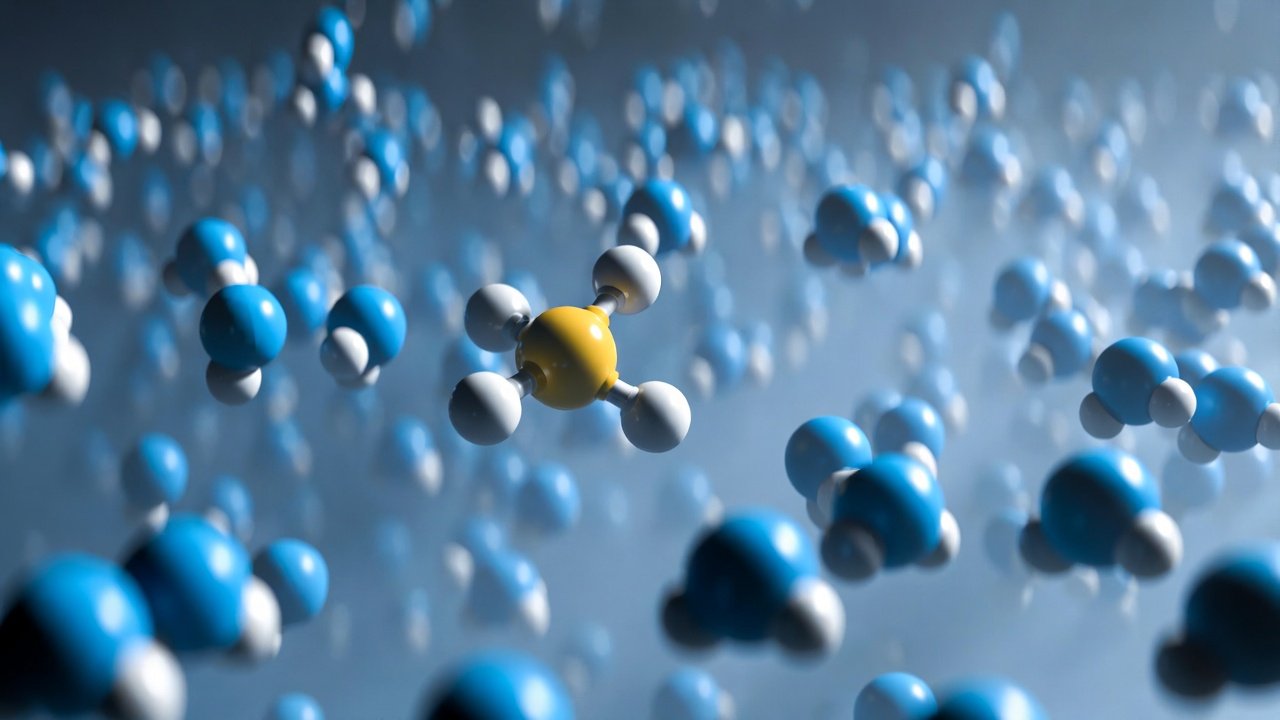
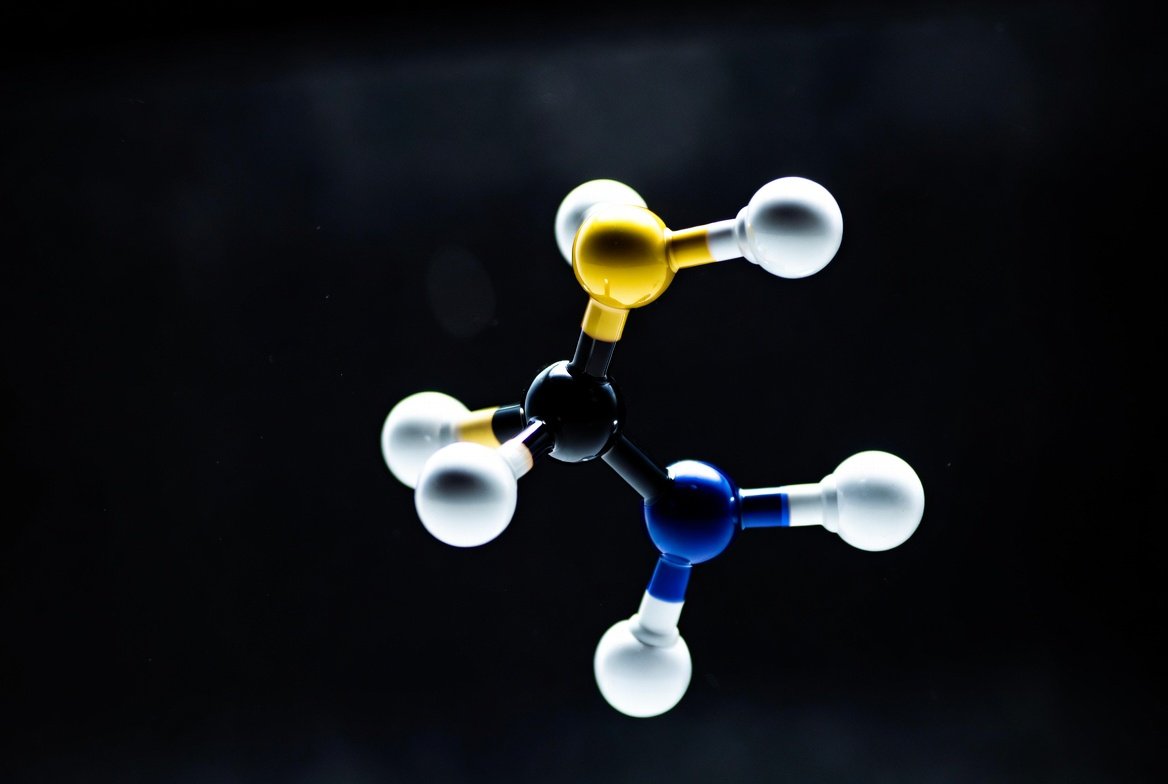
Mercaptans are sulfur analogs of alcohols with the general formula R-SH, where R is an alkyl group (e.g., methyl mercaptan CH₃SH, ethyl mercaptan C₂H₅SH). They form during geological processes in petroleum reservoirs and concentrate in lighter hydrocarbon fractions. Low-molecular-weight mercaptans are highly volatile and detectable at parts-per-million (ppm) levels by their skunk-like or rotten-egg odor.
In natural gas and crude, mercaptan concentrations can range from a few ppm to thousands of ppm. While small amounts are added as odorants for leak detection in processed gas, excess mercaptans are contaminants that must be removed through specialized mercaptan removal techniques.
The Negative Impacts of Mercaptans on Oil and Gas Operations
Mercaptans create multiple operational, economic, safety, and environmental issues:
- Strong Odor and Public Complaints: Their low odor threshold leads to nuisance complaints near facilities and reduces marketability of products like LPG and gasoline.
- Corrosion and Equipment Damage: Mercaptans contribute to sulfide stress cracking (SSC), hydrogen-induced cracking, and general corrosion in pipelines, tanks, and processing equipment—especially in the presence of H₂S and moisture. Corrosion rates increase dramatically at elevated temperatures (235–300°C in carbon steel).
- Toxicity and Health Risks: Exposure causes respiratory irritation, headaches, nausea, and in high concentrations, more severe effects. Workers in gas plants and refineries face occupational hazards.
- Catalyst Poisoning: Mercaptans deactivate catalysts in refining processes such as hydrotreating and reforming, increasing maintenance costs and reducing efficiency.
- Product Quality and Specification Failures: Pipeline specs often limit total sulfur and individual mercaptans. High levels disqualify gas for LNG export or liquids for fuel blending, forcing costly blending or rejection.
- Environmental Concerns: Combustion produces SO₂, contributing to acid rain. Wastewater from treating streams has high chemical oxygen demand (COD) and toxicity.
- Economic Losses: Corrosion, downtime, chemical consumption, and non-compliance penalties cost the industry millions annually.
These impacts make reliable mercaptan removal in oil and gas essential for safe, profitable, and sustainable operations.
Mercaptan Removal from Natural Gas and Gas Streams
Natural gas treating often requires deep removal of mercaptans alongside H₂S and CO₂, particularly for LNG or pipeline-quality gas. Amine treating alone removes only 45–55% of methyl mercaptan and far less of heavier ones.
1. Hybrid Physical/Chemical Solvents (e.g., Sulfinol, Selexol)
Processes like Shell’s Sulfinol combine chemical amines with physical solvents (sulfolane) for simultaneous acid-gas and mercaptan removal. They achieve moderate to high removal (up to 95%) with lower energy use and reduced hydrocarbon co-absorption. Ideal for moderate mercaptan levels.
2. Molecular Sieve Adsorption and Specialty Adsorbents
Zeolite molecular sieves (e.g., 13X) or advanced materials like BASF Durasorb® LNG MAX provide deep removal to <1–5 ppmv. These regenerative TSA (temperature swing adsorption) units also handle heavy hydrocarbons and water. Pretreatment with amines or solvents reduces load and prevents buildup. FirstKlaz Technologies offers tailored FeO-based and metal-oxide adsorbents optimized for mercaptans in natural gas.
3. Caustic Extraction (THIOLEX™ by Merichem)
Semi-regenerative caustic systems extract H₂S, COS, and mercaptans from gas streams. Mercaptans form soluble mercaptides that are later oxidized and separated. Effective for liquid and gas hydrocarbons.
4. Merox Process for Gases
UOP’s Merox uses caustic and a proprietary catalyst to extract and oxidize mercaptans to less odorous disulfides. Suitable for fuel gas and refinery gases; often follows amine treating.
5. Chemical Scavengers
Non-regenerative scavengers (triazines, oxazolidines like Stabicor® S 100, or non-amine options like ProM®) react with mercaptans to form non-volatile, non-corrosive compounds. Cost-effective for low-to-moderate concentrations and polishing steps.
6. Emerging Technologies
Electroscrubbing uses electrochemically regenerated chlorine for high-efficiency oxidation. Biological processes and advanced membranes are under development for sustainable removal.
Mercaptan Removal from Crude Oil, LPG, Condensate, and Liquid Hydrocarbons
Liquid streams concentrate heavier mercaptans. Removal focuses on extraction or conversion to meet fuel specs and prevent downstream issues.
1. Merox Process (UOP) – Extraction and Sweetening
The gold standard for LPG, naphtha, gasoline, and kerosene. In extraction mode, caustic dissolves mercaptans; in sweetening mode, they are catalytically oxidized to disulfides (which remain in the product). Low CAPEX/OPEX, operates at ambient temperature. Often preceded by H₂S pre-wash.
2. Regenerable Caustic Extraction (THIOLEX/REGEN, Merichem)
Uses caustic with solutizers (e.g., potassium isobutyrate) to improve solubility of higher mercaptans. Regenerates caustic via air oxidation, producing disulfide oil for further processing. Handles LPG and condensate efficiently.
3. Hydrodesulfurization (HDS)
High-pressure catalytic process with hydrogen and Co-Mo catalysts converts all organic sulfur (including mercaptans) to H₂S, which is then removed. Deep desulfurization for fuels but energy-intensive and requires hydrogen supply. Common in integrated refineries.
4. Non-Amine Chemical Scavengers (e.g., ProM®)
Specialty non-triazine, non-amine scavengers permanently remove methyl, ethyl, and higher mercaptans from crude oil without nitrogen contamination. Cost-effective alternative to blending or expensive hydrotreating; used at pipelines and ports.
5. Adsorption and Other Methods
Activated carbon, metal-doped adsorbents, and ionic liquids capture mercaptans. Oxidative methods (e.g., sodium hypochlorite) and phase-transfer catalysis are used in niche applications.
Comparing Mercaptan Removal Technologies: Pros, Cons, and Selection Criteria
Choosing the right technology depends on stream type, mercaptan concentration, flow rate, desired specification, CAPEX/OPEX, and byproduct handling:
- Adsorption (Molecular Sieves/Adsorbents): Deep removal, regenerable, but higher regeneration gas handling costs.
- Merox/Caustic Extraction: Proven, low operating temperature, but produces disulfide oil and spent caustic.
- Solvents (Sulfinol): Integrated acid-gas + mercaptan removal, moderate efficiency.
- Scavengers: Flexible, low CAPEX for polishing, but consumable.
- HDS: Total sulfur removal, high energy use.
Hybrid systems (amine + molecular sieve, or solvent + Merox) often deliver the best economics. FirstKlaz Technologies excels at modeling and optimizing these combinations using proprietary software for maximum efficiency and lowest $/kg sulfur removed.
Conclusion: Partner with Experts for Optimal Mercaptan Removal
Mercaptan removal is no longer optional—it’s a critical step for operational integrity, regulatory compliance, and product value in today’s oil and gas industry. From natural gas sweetening to crude and LPG treatment, the right combination of mercaptan removal techniques can dramatically reduce corrosion, odor issues, and costs.
At www.fklaz.com, FirstKlaz Technologies delivers turnkey solutions—including custom adsorbents, scavengers, scrubbers, and SRU design—tailored to your specific mercaptan and H₂S challenges. Our 20+ years of experience and advanced modeling ensure the lowest treatment costs and highest reliability.