Article Content
Oil and gas development in North Dakota has transformed a sparsely populated agricultural state into one of America’s premier energy producers. Centered on the massive Williston Basin, the industry’s journey reflects decades of exploration persistence, technological breakthroughs, and economic reinvention. From early shallow gas wells and countless dry holes to the landmark 1951 discovery and the explosive Bakken shale revolution of the 21st century, North Dakota now consistently ranks among the top three oil-producing states in the United States, with daily output hovering around 1.1 to 1.2 million barrels per day — the vast majority from the Bakken and Three Forks formations.
The story encompasses Indigenous lands, pioneering wildcatters braving harsh winters, the rise of horizontal drilling and hydraulic fracturing, infrastructure booms and bottlenecks, and a modern focus on efficiency, environmental stewardship, and long-term sustainability. More than 5 billion barrels of oil have been produced since commercial production began in 1951, fundamentally reshaping communities in western North Dakota and contributing significantly to state revenues.
Early Exploration: Gas Discoveries and Pre-1951 Efforts
While commercial oil production arrived relatively late compared to states like Pennsylvania or Texas, North Dakota’s hydrocarbon story begins earlier with natural gas. The earliest recorded hydrocarbon activity dates to 1892, when non-commercial methane was encountered in a water well near Edgeley in LaMoure County. In the early 1900s, shallow gas discoveries in Bottineau County supplied local towns such as Mohall, Westhope, and Lansford, though volumes eventually declined.
Commercial natural gas production began in 1929 when the Cedar Creek gas field (originally discovered in Montana) extended into Bowman County. These early finds demonstrated hydrocarbon potential but were limited by shallow depths and local markets.
Oil exploration proved far more challenging. The first oil exploration permit was issued in 1923, but technology of the era could not economically reach the deep reservoirs (often 8,000–12,000+ feet) of the Williston Basin. Numerous dry holes were drilled through the 1920s–1940s by companies testing structures and wildcat locations. Harsh weather, difficult logistics, and the Great Depression slowed progress. By 1950, over 40 permits had been issued with no commercial oil success. The basin remained largely unexplored for oil despite geological promise identified by early geologists.
The Landmark Discovery: Clarence Iverson No. 1 (1951)
Everything changed on the night of April 4, 1951. After months of difficult drilling through harsh winter conditions and hard limestone, Amerada Petroleum Corporation completed the Clarence Iverson No. 1 well on the Clarence Iverson farm near Tioga in Williams County. The well, located in what became part of the Beaver Lodge area, tested oil from deeper zones after earlier shows.
The story is legendary in North Dakota oil lore: a “pint of oil” recovered in a drill-stem test in January 1951 gave hope. Final completion yielded initial production of around 240 barrels of oil per day. The well ultimately produced more than 585,000 barrels over its lifetime. This discovery made North Dakota the 27th state with commercial oil production and ignited the first major drilling boom in the Williston Basin.
The success validated decades of geological work and attracted capital and operators to western North Dakota. Tioga and surrounding communities began to feel the first impacts of an emerging industry.
The Williston Basin Boom and Conventional Production Era
The 1950s saw rapid leasing, seismic exploration, and drilling across western North Dakota. The Beaver Lodge and Tioga areas led early development. Production grew steadily as more fields were discovered in conventional reservoirs, particularly within the Madison Group (including Mission Canyon and Charles formations).
Other notable conventional plays emerged, such as the Red River Formation discovery in Billings County in 1968. By the early 1980s, North Dakota had established itself as a modest but steady oil producer. Statewide production peaked in the mid-1980s before declining sharply with the collapse of oil prices in the mid-to-late 1980s. Many fields continued producing at lower rates through vertical wells and waterflooding, but activity slowed dramatically until technological advances revived interest decades later.
Geological Context: The Williston Basin and Key Formations
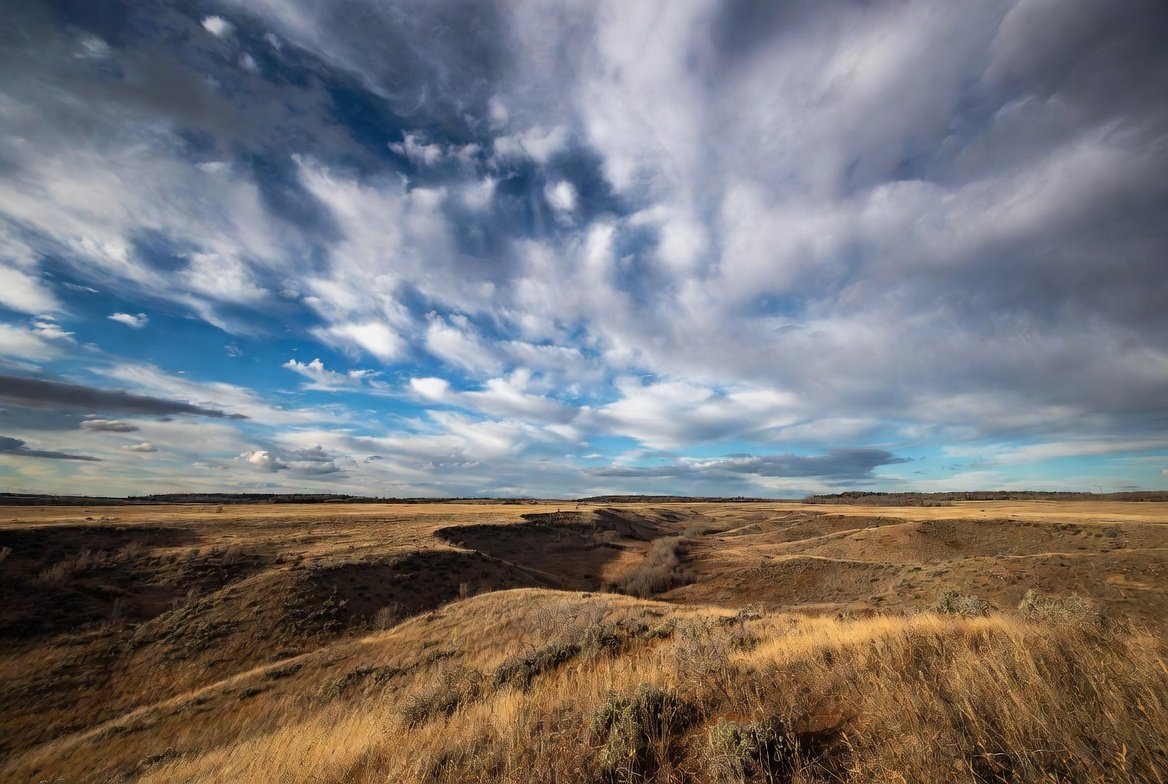
The Williston Basin is a large intracratonic sedimentary basin covering western North Dakota, eastern Montana, and parts of South Dakota and Canada (Saskatchewan and Manitoba). It contains thick sequences of Paleozoic and Mesozoic rocks with excellent source, reservoir, and seal combinations.
Key productive intervals include:
- Madison Group (Mississippian) — Primary conventional producer in the early decades; carbonates with good porosity and permeability in places.
- Red River Formation (Ordovician) — Important conventional reservoir, especially in certain structural trends.
- Bakken Formation (Upper Devonian–Lower Mississippian) — World-class source rock and, later, major tight-oil reservoir.
- Three Forks Formation — Often commingled with Bakken; dolomitic siltstones and sandstones that add significant reserves.
The basin’s geology features gentle structures, reefs, and stratigraphic traps. The combination of rich source rocks and effective seals created substantial hydrocarbon accumulations, many of which remained undeveloped until horizontal drilling unlocked tighter zones.
The Bakken Formation: From Source Rock Recognition to Reservoir
The Bakken Formation was formally described in 1953 by geologist J.W. Nordquist from samples taken in a well on the Nesson Anticline. It is named after Henry O. Bakken, a farmer near Tioga whose land hosted an early well. The formation consists of three members: upper and lower organic-rich shales (excellent source rocks) sandwiching a middle siltstone/dolomite member that serves as the primary reservoir in the modern play.
Early recognition of the Bakken as a prolific source rock came in the 1950s–1970s. Oil was first produced from the Bakken in vertical wells as early as 1953 (e.g., the #1 Woodrow Starr or related tests), but rates were generally low and uneconomic for widespread development due to the tight nature of the rock. The formation generated enormous volumes of oil that migrated into conventional reservoirs, but the source rock itself stayed largely untapped for decades.
Decline, Price Cycles, and the Seeds of Revival (1980s–Early 2000s)
Low oil prices in the 1980s and 1990s led to reduced drilling and a focus on existing conventional production. North Dakota’s output fell significantly from its 1980s peak. However, persistent operators and improving technology kept interest alive. By the late 1990s and early 2000s, rising oil prices and advances in drilling and completion technology set the stage for revival. The key breakthrough came with combining long horizontal laterals and multi-stage hydraulic fracturing.
The Bakken Shale Revolution: Horizontal Drilling and Hydraulic Fracturing
The modern Bakken boom began in neighboring Montana with the Elm Coulee Field discovery around 2000, where horizontal wells proved commercial production from the Middle Bakken. Operators quickly applied lessons in North Dakota.
Pivotal moments included:
- Continental Resources drilling successful early horizontal Bakken wells in Montana (2003) and then North Dakota.
- EOG Resources’ Parshall discovery in 2006 — widely credited with proving the play’s scale in North Dakota and triggering widespread leasing and drilling.
- Rapid adoption of longer laterals (eventually 2+ miles), multi-stage fracs, and pad drilling.
Production exploded. From under 100,000 barrels per day in 2005, North Dakota output surged past 500,000 bpd, then 1 million bpd by 2014. The state briefly became the #2 oil producer in the U.S. The combination of horizontal drilling (exposing far more reservoir rock) and hydraulic fracturing (creating pathways for oil to flow) turned a previously uneconomic tight-oil resource into one of North America’s most important plays.
Production Volumes, Economic Transformation, and Social Impact
North Dakota’s oil production transformed western communities. Towns like Williston, Tioga, Dickinson, and Watford City experienced rapid growth, housing shortages, and infrastructure strain during the peak boom years (roughly 2010–2015). The industry created thousands of high-paying jobs in drilling, completions, trucking, and services. Oil and gas tax revenues now account for a substantial portion — often more than half — of the state’s tax collections, funding schools, roads, and public services.
Production on the Fort Berthold Indian Reservation (MHA Nation) has been particularly significant, generating substantial royalties and economic activity for the tribe. The light, sweet crude from the Bakken is highly desirable for refineries.
As of 2025–2026, North Dakota maintains steady production around 1.1–1.2 million barrels per day, with the Bakken/Three Forks accounting for the overwhelming majority. More than 5 billion barrels of oil have been produced cumulatively since the first commercial well in 1951.
Infrastructure, Transportation, and Processing
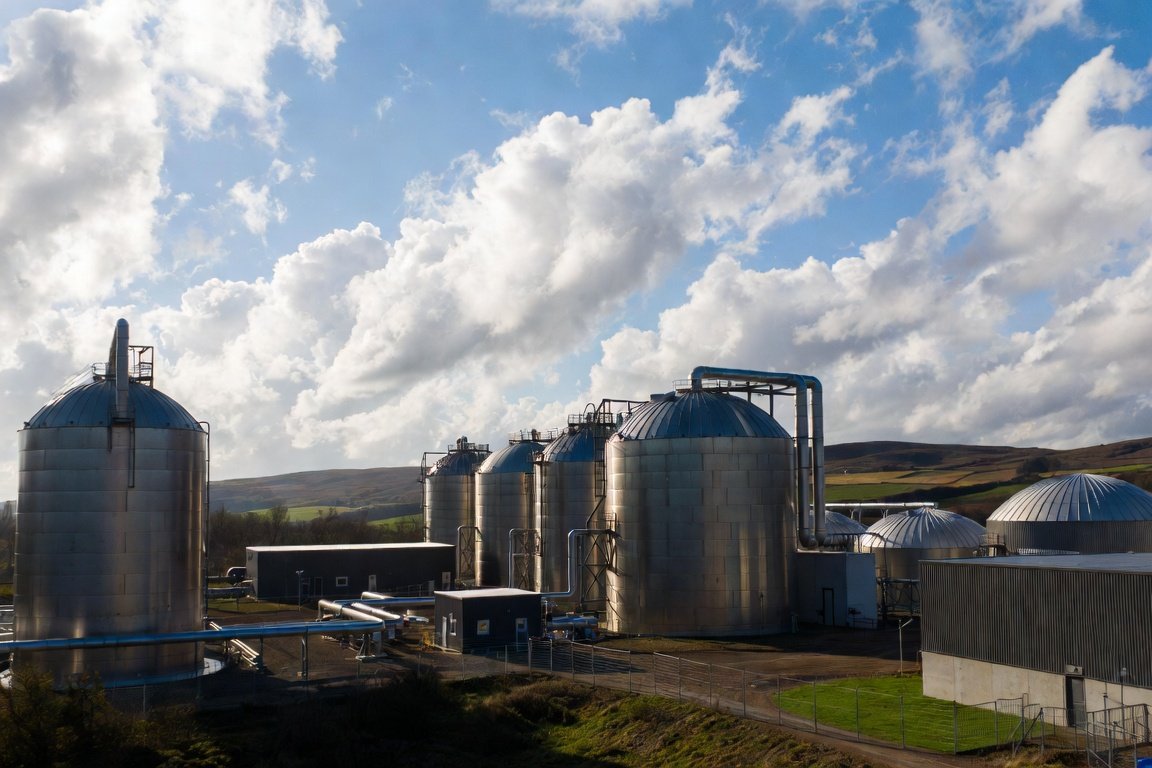
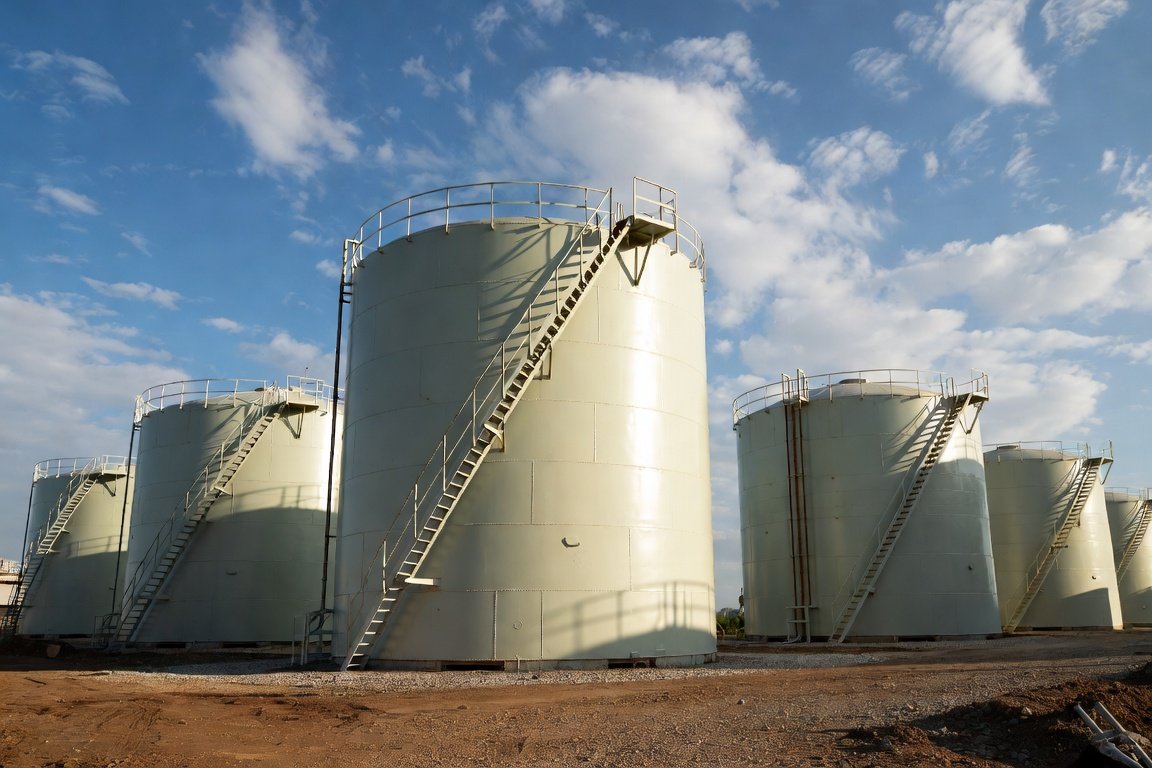
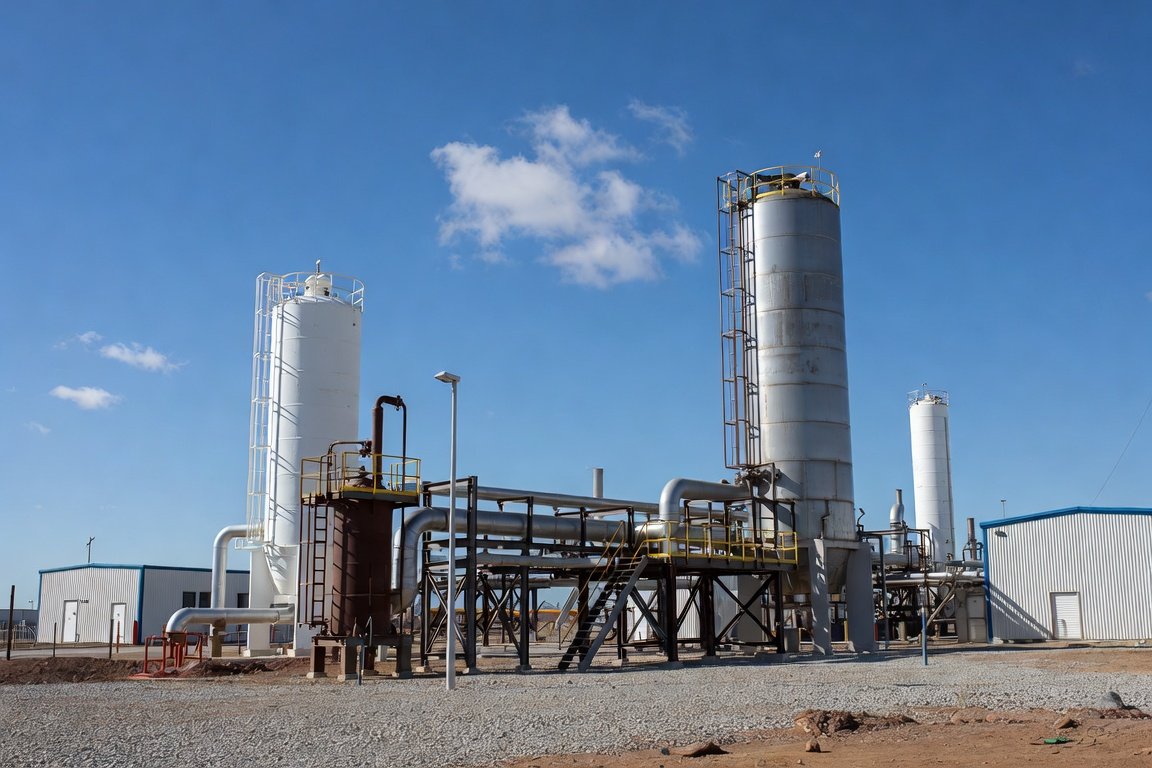
The rapid production growth initially outpaced takeaway capacity. In the early boom years, significant volumes moved by rail. Major pipeline projects, including the Dakota Access Pipeline, were developed to improve market access. North Dakota has limited local refining capacity; most crude is exported to Midwest and Gulf Coast refineries. Associated natural gas infrastructure improved over time, dramatically reducing flaring rates from early boom highs. Gas processing plants and NGL extraction facilities expanded to capture value from the rich associated gas stream.
Modern Challenges, Technological Advancements, and Outlook
Like any major energy play, the Bakken has faced cycles. The 2014–2016 price crash slowed drilling, though production proved resilient due to efficiency gains. Operators continue to optimize with longer laterals, tighter well spacing, enhanced oil recovery techniques, and data analytics.
Key ongoing focus areas include water management and recycling, further reduction of flaring and methane emissions, produced water disposal, environmental stewardship, and regulatory compliance under the North Dakota Department of Mineral Resources. There is also growing interest in carbon capture, utilization, and storage (CCUS).
The play is more mature, but significant remaining inventory and technological improvements support continued output for decades. The state’s regulatory framework and industry adaptability position it well for a lower-carbon future while maintaining its role in U.S. energy supply.
Conclusion
From the dramatic April 1951 discovery at the Clarence Iverson No. 1 well through the technological revolution that unlocked the Bakken, North Dakota’s oil and gas industry exemplifies resilience and innovation. What began with wildcatters battling winter blizzards and hard rock has evolved into a sophisticated, high-tech sector producing world-class tight oil at scale. The Bakken shale revolution not only elevated North Dakota’s economic standing but also contributed meaningfully to North American energy security.
As the industry matures, continued focus on operational excellence, environmental performance, and technological advancement will ensure the Williston Basin remains a vital part of the energy landscape for generations to come. The history of oil and gas in North Dakota is far from over — it is a story of ongoing adaptation and enduring importance.