Article Content
Introduction to Mercaptans
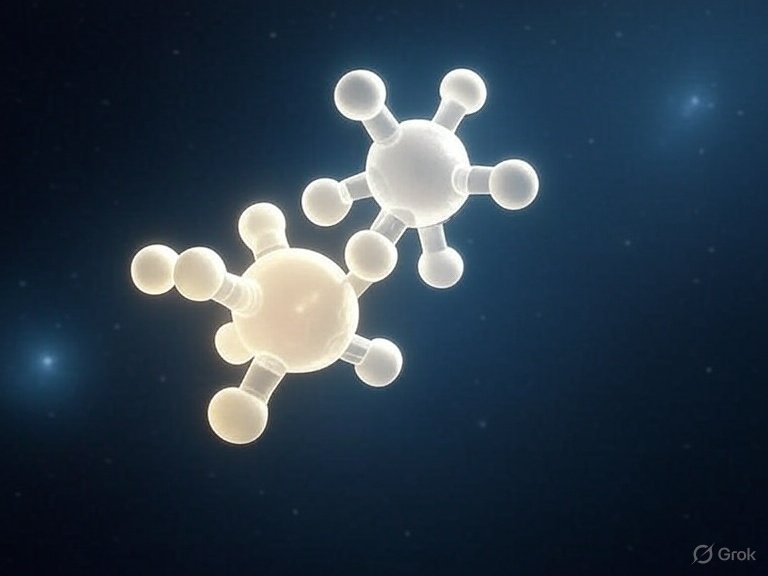
Mercaptans, also known as thiols, are a class of organic sulfur compounds characterized by the general formula R-SH, where “R” represents an alkyl or other organic group. They are essentially the sulfur analogs of alcohols, where the oxygen atom is replaced by sulfur. Common examples include methanethiol (CH₃SH), ethanethiol (C₂H₅SH), propanethiol (C₃H₇SH), butanethiol (C₄H₉SH), and pentanethiol (C₅H₁₁SH). In the oil and gas industry, mercaptans are notorious for their pungent, foul odor—often likened to rotten eggs or garlic—which makes them easily detectable even at low concentrations.
These compounds are naturally present in crude oil and natural gas, typically in concentrations ranging from a few parts per million (ppm) to several thousand ppm, depending on the source. While they occur in all hydrocarbon fractions from methane onward, their presence poses significant challenges in production, processing, and transportation. Interestingly, mercaptans are also intentionally added to processed natural gas as odorants to enhance safety by allowing leaks to be detected through smell. However, in their natural form, they are considered impurities that must be managed to meet quality specifications and regulatory standards.
Origins and Sources of Mercaptans in Oil and Gas
Mercaptans originate primarily from the geological processes that form petroleum reservoirs. They are naturally occurring components in crude oil and associated natural gas, derived from the decomposition of organic matter under anaerobic conditions in sedimentary rocks. Sulfur-rich kerogen, the precursor to hydrocarbons, breaks down over millions of years, incorporating sulfur atoms into the molecular structure and forming thiols.
Specific sources include various global crude oils, such as those from the Arabian Peninsula, Russia, the North Sea, Canada (e.g., condensates), and sour gas fields in Southeast Asia and the Middle East. Concentrations can vary widely: in natural gas, they are often found at levels up to 200–300 ppm, but typically much lower. Mercaptans are present across all boiling fractions of petroleum, from light gases like methane to heavier oils, making them ubiquitous in upstream production.
Additionally, mercaptans can be generated as byproducts in certain refining processes. For instance, during the Claus process for sulfur recovery from hydrogen sulfide (H₂S), incomplete reactions can lead to the formation of mercaptans, which in turn reduce the overall efficiency of sulfur extraction. Human activities, such as the addition of mercaptans like tert-butyl mercaptan to commercial natural gas for odorization, introduce them post-production, but this is distinct from their natural occurrence in raw hydrocarbons.
The Role and Function of Mercaptans
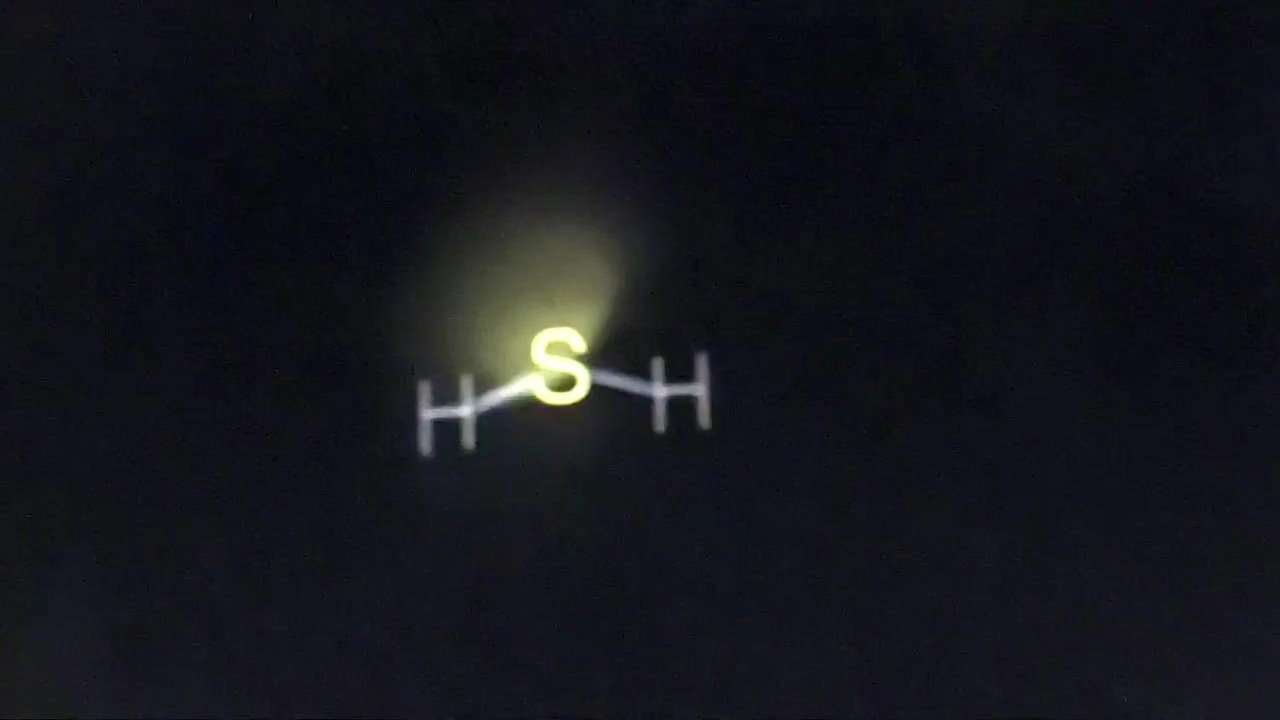
In their natural state within oil and gas reservoirs, mercaptans serve no beneficial purpose and are classified as contaminants. They are substituted forms of H₂S, where one hydrogen atom is replaced by a hydrocarbon group, exhibiting weakly acidic properties that diminish as the hydrocarbon chain lengthens. This acidity allows them to form mercaptides (salts) when reacting with alkalies, a property exploited in removal processes.
Paradoxically, mercaptans play a crucial safety role when added artificially to “sweetened” natural gas. Odorless natural gas (primarily methane) poses a leak detection risk, so mercaptans are injected at low levels (e.g., 1–5 ppm) to impart a distinctive smell, enabling early detection and preventing accidents. Beyond this, they have no functional role in hydrocarbons and are primarily viewed as problematic impurities that require treatment.
Effects of Mercaptans on Hydrocarbons and the Industry
Mercaptans exert several detrimental effects on hydrocarbons, equipment, and the environment, necessitating their removal during processing.
Corrosion and Material Degradation
One of the most significant impacts is corrosion. Mercaptans contribute to the total corrosion of carbon steel in crude oil at temperatures between 235°C and 300°C. They can corrode pipelines, storage tanks, and processing equipment, particularly when combined with H₂S. High partial pressures of H₂S alongside mercaptans can lead to sulfide stress cracking (SSC), requiring specialized materials and welding procedures for equipment integrity. In refined products like gasoline, trace mercaptans can corrode silver alloys in fuel sensors. Overall, elevated mercaptan levels reduce the lifespan of infrastructure and increase maintenance costs.
Impact on Hydrocarbon Quality and Processing
Mercaptans degrade the quality of natural gas and liquid hydrocarbons by imparting objectionable odors and reducing market value. They poison catalysts used in downstream refining processes, such as hydrotreating, leading to inefficiencies and higher operational costs. In crude oil, they can cause precipitation of asphaltic products during acid treatments, forming sludges that damage reservoir formations or processing units. They also promote colloidal ferric hydroxide precipitation, necessitating additional chemical additives for control.
Pipeline and contract specifications often limit mercaptans to less than 50 ppm to ensure transportability and compliance. Exceeding these limits can halt production or sales, as seen in cases where high-mercaptan crude fails to meet export requirements.
Environmental and Health Concerns
Mercaptans are toxic and contribute to air pollution when released. Their combustion produces sulfur dioxide (SO₂), a precursor to acid rain. In wastewater from mercaptan oxidation processes, they can complicate treatment due to high chemical oxygen demand (COD) and toxicity. Occupational exposure poses health risks, including respiratory irritation and neurological effects, underscoring the need for stringent industrial hygiene measures.
Methods for Removing Mercaptans
Removal of mercaptans, known as “sweetening,” is essential and cannot be achieved through distillation alone due to their boiling points overlapping with hydrocarbons. Instead, chemical, physical, and catalytic methods are employed, tailored to gas or liquid streams.
Removal from Natural Gas Streams
For gaseous hydrocarbons, processes focus on absorption, adsorption, or oxidation:
- Amine Sweetening: This widely used method employs aqueous solutions of amines (e.g., monoethanolamine (MEA), diethanolamine (DEA), diglycolamine (DGA), diisopropanolamine (DIPA), or methyldiethanolamine (MDEA)) to absorb acid gases like H₂S and CO₂, with partial mercaptan removal. Removal efficiency varies: 45–55% for methyl mercaptan, 20–25% for ethyl, and 0–10% for propyl. Activated MDEA enhances mercaptan capture by up to 90% under optimized conditions (e.g., high amine concentration, low temperatures). The process involves gas contacting the amine in an absorber tower, followed by regeneration via heating to release captured gases.
- Sulfinol Process: A hybrid solvent combining sulfolane (physical solvent) with an amine (e.g., DIPA or MDEA) for simultaneous removal of H₂S, CO₂, mercaptans, and carbonyl sulfide (COS). It operates via physical absorption for mercaptans and chemical reaction for acid gases, offering high selectivity, low energy use, and cost-effectiveness. Benefits include reduced foaming, corrosion inhibition, and applicability to high-pressure sour gases.
- MEROX Process: Developed by UOP, this catalytic method oxidizes mercaptans to less harmful disulfides (RSSR) using air, caustic soda, and a cobalt phthalocyanine catalyst. For gas, it can achieve near-complete removal. The reaction is: 4RSH + O₂ → 2RSSR + 2H₂O. It’s economical, operates at ambient temperatures, and includes a caustic prewash for H₂S if needed.
- Adsorption: Zeolite-based or activated carbon adsorbents capture mercaptans, effective for low concentrations. Regenerable beds make this suitable for polishing streams.
Removal from Liquid Hydrocarbon Streams
For liquids like LPG, condensate, naphtha, or crude oil, extraction and oxidation dominate:
- Caustic Washing: Involves contacting the liquid with sodium hydroxide (NaOH) solution to extract mercaptans as soluble mercaptides: 2RSH + 2NaOH → 2NaSR + 2H₂O. The mercaptan-rich caustic is regenerated by oxidation with air to form disulfides, which are separated. This is effective for lighter fractions and can be integrated with MEROX. Variants like REGEN® ULS reduce caustic consumption for ultra-low-sulfur products.
- MEROX for Liquids: The extraction version dissolves mercaptans in caustic, oxidizes them to disulfides, and separates the oil layer. Sweetening leaves disulfides in the product for heavier fractions. It’s versatile for LPG, naphtha, and diesel, with H₂S pre-removal if concentrations exceed 5 ppm.
- Other Methods: Aqueous ammonia extraction for light fractions, zinc oxide nanoparticle beds for LPG, ionic liquids for crude, and advanced adsorbents. Chemical scavengers like Pro3® or ProM® are used for targeted treatment in crude.
Conclusion
Mercaptans are integral yet challenging components of oil and gas production, originating from natural geological sources and requiring careful management due to their corrosive, odorous, and quality-degrading effects. Through processes like amine sweetening, Sulfinol, MEROX, and caustic washing, the industry effectively removes them from both gas and liquid streams, ensuring safe, compliant, and efficient operations. Ongoing advancements in adsorption and hybrid technologies promise even more sustainable solutions, balancing environmental concerns with economic viability.