Article Content
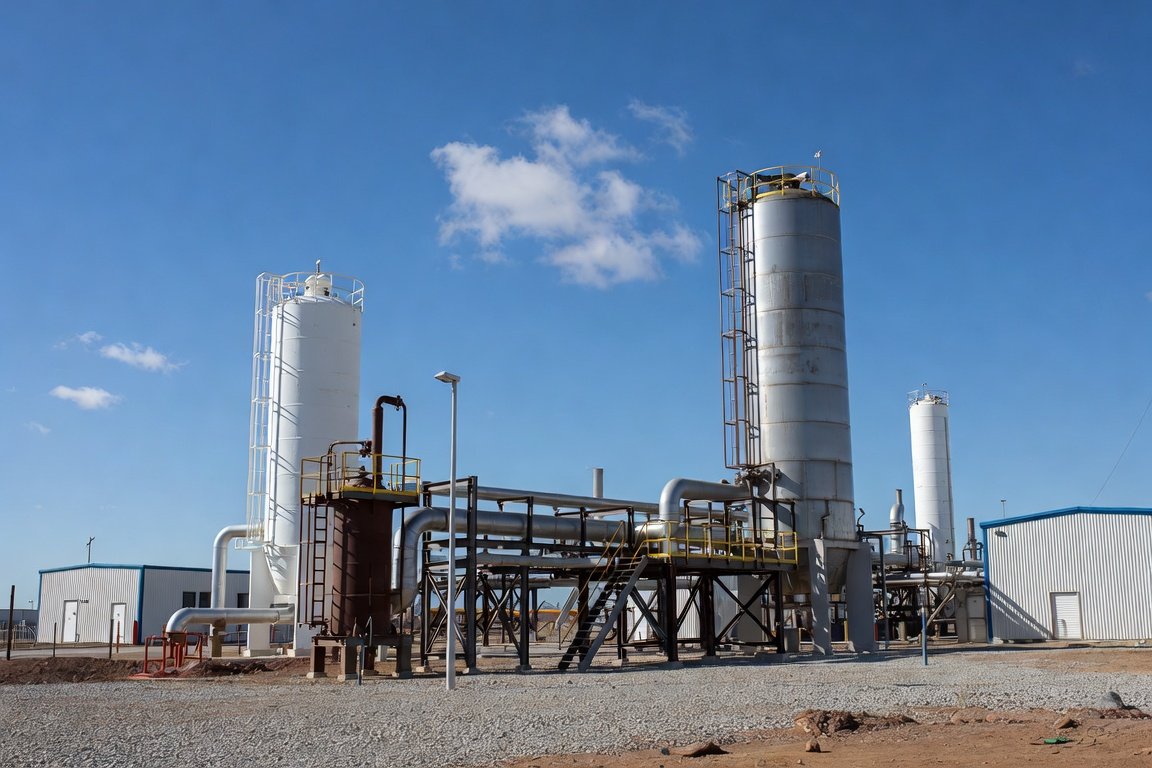
Hydrogen sulfide (H₂S) removal from natural gas is critical for safety, corrosion prevention, and meeting pipeline specifications (typically <4 ppm H₂S). Adsorbent media play a key role in dry-bed processes, offering efficient, non-regenerative or limited-regenerative solutions. This article explores major types of adsorbents, including their chemistry, forms, pressure drops, temperature stabilities, manufacturers, specifications, limitations, operating ranges, and sulfur loading capacities. Data is drawn from industry sources and reviews as of 2026.
Types of Adsorbent Media
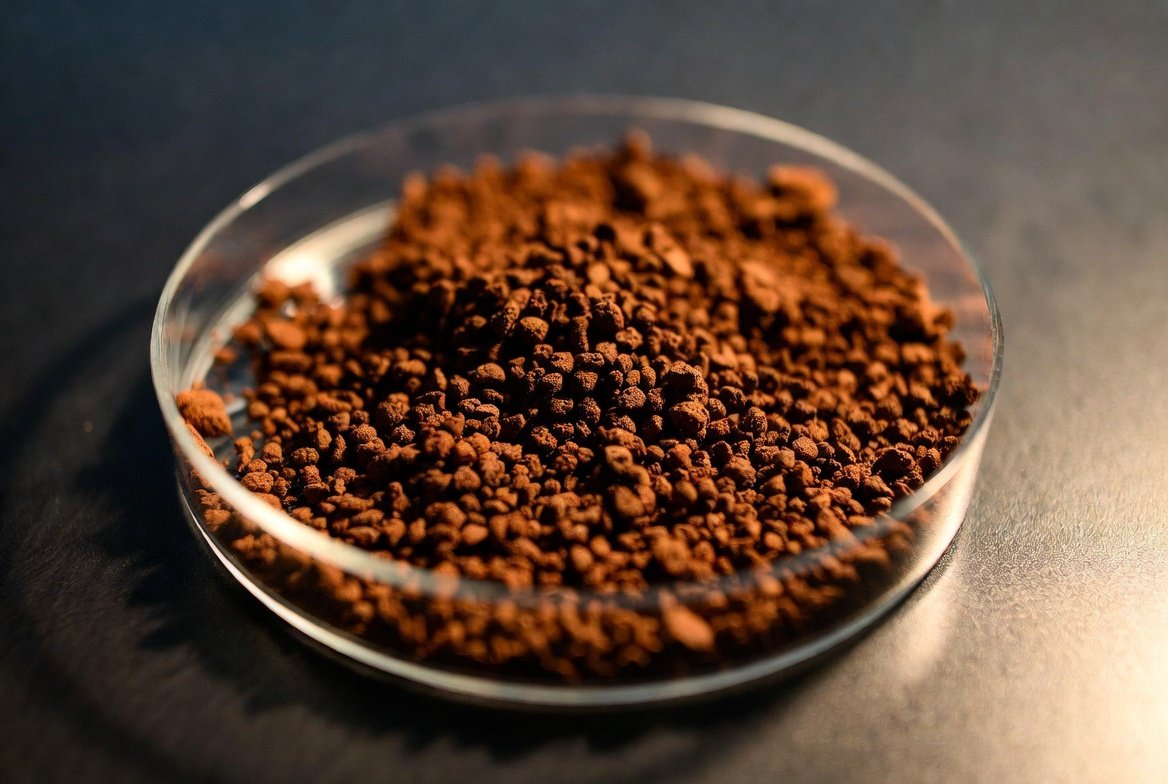
1. Iron-Based Adsorbents (Iron Oxide / Iron Sponge / Iron Hydroxide)
Chemistry: Chemisorption via Fe₂O₃ + 3H₂S → Fe₂S₃ + 3H₂O (or similar for hydroxide variants); forms stable iron sulfides.
- Forms: Granules, extrudates, pellets.
- Pressure Drop: Low and stable; spherical/extrudate shapes minimize compaction (e.g., <0.5 psi/ft bed depth).
- Temperature Stability: Up to 180°C; stable in wet conditions.
- Manufacturers/Examples: SLB (SulfaTreat 423), Chemical Products Industries (SULFURTRAP EX), Merichem (SulfaTreat family).
- Specs: Particle size 4-10 mesh; density ~0.65-0.8 g/cm³; non-pyrophoric.
- Limitations: Non-regenerable; spent media disposal (non-hazardous landfill); potential caking in high-moisture.
- Operating Ranges: Ambient to 100°C; low-high pressure (1-100 bar); H₂S 100 ppm-5%; suitable for wet/saturated gas.
- Sulfur Load Capacities: 200-710 g H₂S/kg (20-40 wt% S); SulfaTreat 423 up to 4x standard (e.g., 400-500 mg/g).
2. Zinc Oxide Adsorbents
Chemistry: ZnO + H₂S → ZnS + H₂O; high affinity for ultra-low residuals.
- Forms: Extrudates, granules.
- Pressure Drop: Low (0.2-0.5 psi/ft).
- Temperature Stability: High, up to 400°C.
- Manufacturers/Examples: Axens (AxTrap 401), Johnson Matthey (PURASPEC), BASF.
- Specs: Cylindrical extrudates (3-5 mm); density 1.0-1.2 g/cm³.
- Limitations: Limited regeneration; sintering at >600°C; reduced capacity in wet/reducing atmospheres.
- Operating Ranges: 200-400°C optimal; high pressure (10-50 bar); low H₂S (<1000 ppm); dry gas preferred.
- Sulfur Load Capacities: 100-300 mg/g (10-30 wt% S).
3. Mixed Metal Oxide Adsorbents
Chemistry: Hybrid sulfidation (e.g., Zn-Cu-Al-O); forms mixed sulfides.
- Forms: Extrudates, granules.
- Pressure Drop: Low and stable.
- Temperature Stability: Ambient to 150°C.
- Manufacturers/Examples: Axens (AxTrap 407/409/4000 series), Johnson Matthey (PURASPEC 1065).
- Specs: Cylindrical extrudates (2-4 mm); density 0.8-1.1 g/cm³.
- Limitations: Non-regenerable; competitive adsorption with CO₂/H₂O.
- Operating Ranges: Ambient-low temp (25-100°C); 1-50 bar; H₂S/mercaptans 100-5000 ppm; dry/wet gas.
- Sulfur Load Capacities: 300-500 mg/g (30-50 wt% S); PURASPEC 1065: 66% higher than standard.
4. Activated Carbon Adsorbents (Impregnated)
Chemistry: Physisorption + oxidation (e.g., KI-impregnated converts H₂S to S); requires O₂/humidity.
- Forms: Granular (GAC), pellets (4mm).
- Pressure Drop: Low (minimal for pellets).
- Temperature Stability: Ambient; non-self-heating.
- Manufacturers/Examples: Norit/Cabot (DARCO BG1/BG1P, NORIT ROZ3).
- Specs: 4×10 mesh GAC or 4mm pellets; low density (0.4-0.6 g/cm³); low dust.
- Limitations: Needs 60-100% RH and O₂:H₂S 1:1; poor regen; pore occlusion over time.
- Operating Ranges: Ambient (25-50°C); low pressure; H₂S 100-5000 ppm; biogas/low RH for ROZ3.
- Sulfur Load Capacities: 55-100 wt% S (e.g., DARCO BG1: 65-100%; ROZ3: 35-65%).
5. Zeolite / Molecular Sieve Adsorbents
Chemistry: Physisorption/chemisorption; selective for polar H₂S.
- Forms: Pellets, beads (2-5 mm).
- Pressure Drop: Moderate (0.3-0.6 psi/ft).
- Temperature Stability: Up to 300°C; poor >300°C.
- Manufacturers/Examples: BASF (Durasorb), UOP, Axens (AxSorb 541).
- Specs: Types 4A/5A/13X; SSA 500-800 m²/g; density 0.6-0.8 g/cm³.
- Limitations: H₂O/CO₂ competition reduces capacity; hysteresis in desorption; structural damage on regen.
- Operating Ranges: 25-100°C; high pressure (PSA/VSA); low H₂S (<1000 ppm); dry gas.
- Sulfur Load Capacities: 30-142 mg/g (3-14 wt% S).
6. Other Metal Oxide Adsorbents (Copper, Cobalt, Manganese-Based)
Chemistry: e.g., CuO + H₂S → CuS + H₂O; doped variants for enhanced capacity.
- Forms: Supported extrudates/granules.
- Pressure Drop: Low.
- Temperature Stability: Ambient to 250°C.
- Manufacturers/Examples: Axens (AxTrap variants with Cu), custom R&D (e.g., Fe-Cu-Al-O).
- Specs: Mesoporous; SSA 50-200 m²/g.
- Limitations: Pore occlusion; CO₂ inhibition; limited cycles (capacity drops 50%).
- Operating Ranges: 40-250°C; 1-20 bar; H₂S 500-5000 ppm.
- Sulfur Load Capacities: 65-189 mg/g (6.5-19 wt% S).
Comparison Table
| Type | Forms | Pressure Drop | Temp Range (°C) | Key Manufacturers | Capacity (mg/g) | Limitations |
|---|---|---|---|---|---|---|
| Iron-Based | Granules/Extrudates | Low | Ambient-180 | SLB, CPI | 200-710 | Non-regen, disposal |
| Zinc Oxide | Extrudates | Low | 200-400 | Axens, JM | 100-300 | Limited regen, high temp |
| Mixed Metal Oxides | Extrudates/Granules | Low | Ambient-150 | Axens, JM | 300-500 | Non-regen, CO₂ competition |
| Activated Carbon | GAC/Pellets | Low | Ambient | Norit | 350-1000 (35-100 wt%) | Needs O₂/RH, poor regen |
| Zeolites | Pellets/Beads | Moderate | 25-300 | BASF, UOP | 30-142 | H₂O/CO₂ interference |
| Other Metal Oxides | Supported | Low | 40-250 | Axens, R&D | 65-189 | Capacity drop on cycles |
Conclusion
Selecting adsorbent media depends on gas conditions, scale, and economics. Iron-based offer versatility for wet gas, while zinc oxide excels at high temps for ultra-low H₂S. Emerging mixed oxides provide high capacities but are non-regenerable. Consult manufacturers for site-specific pilots and always factor in disposal/regeneration costs.