
Article Content
In 2026, regulatory pressure on hydrogen sulfide (H₂S) continues to tighten across North America, Europe, and offshore regions. Operators face stricter emission limits, new restrictions on scavenger byproducts, disposal rules, and sustainability reporting requirements. Non-compliance risks fines, shutdowns, and reputational damage — but smart technology choices can turn compliance into a competitive advantage by lowering total cost of ownership.
This guide breaks down the key 2026 H₂S removal regulations and shows practical ways to meet them using proven liquid scavengers, solid adsorbents, and custom hybrid systems from FirstKlaz Technologies.
Major H2S Regulations Updating in 2026
1. United States – EPA and OSHA Updates
The EPA’s New Source Performance Standards (NSPS) and MACT rules have lowered H₂S emission thresholds for natural gas processing plants and biogas facilities. OSHA’s Permissible Exposure Limit (PEL) remains 20 ppm (ceiling) with increased enforcement on monitoring and control. RCRA and TSCA rules now apply stricter classification to spent scavenger disposal, especially dithiazine solids from traditional triazines.
2. European Union and UK
The Industrial Emissions Directive (IED) 2026 revisions impose tighter BAT (Best Available Techniques) requirements for H₂S in biogas upgrading and chemical plants. REACH restrictions on formaldehyde-releasing scavengers continue to push operators away from standard MEA/MMA triazines.
3. Offshore – CEFAS and OSPAR (North Sea)
CEFAS Gold / Silver ratings are now mandatory for many chemical approvals. Only low-toxicity, low-bioaccumulation formulations qualify, with new emphasis on nitrogen content in spent products to protect marine environments.
4. Biogas and Renewable Natural Gas (RNG) Rules
Many states and the EU now require <10–50 ppm H₂S in upgraded biomethane for grid injection or vehicle fuel, plus increased focus on methane slip and carbon-intensity reporting.
5. Pulp & Paper Industry
Enhanced odor and vent-gas regulations under state permits and EPA Cluster Rules updates demand tighter control of H₂S emissions from wastewater and process vents.
How Regulations Impact Technology Choice in 2026
| Regulation Area | Key Requirement 2026 | Traditional Triazine Impact | Better Compliant Options (FirstKlaz) | Expected Cost Benefit |
|---|---|---|---|---|
| Byproduct Disposal | Stricter hazardous waste classification | High (dithiazine solids, formaldehyde) | Non-triazine liquids & iron-based adsorbents | 15–35% lower disposal |
| Nitrogen Content | Limits on amine-derived nitrogen | High risk of refinery fouling & marine issues | Proprietary non-triazine & low-N formulations | Reduced downstream treatment |
| Offshore / CEFAS Approval | Gold-rated low-toxicity chemistry | Often fails or limited approval | CEFAS Gold certified non-triazine scavengers | Maintains bidding eligibility |
| Emission Limits (ppm) | Tighter outlet specs (<5–20 ppm) | Requires higher dosage | Hybrid liquid + solid systems | 20–40% lower OPEX |
| Sustainability Reporting | Carbon intensity & chemical footprint | Higher due to production & disposal | Iron hydroxide adsorbents & eco-friendly liquids | Easier ESG compliance |
Practical Compliance Strategies for 2026
For Oil & Gas (High-Pressure Sour Gas & Produced Water)
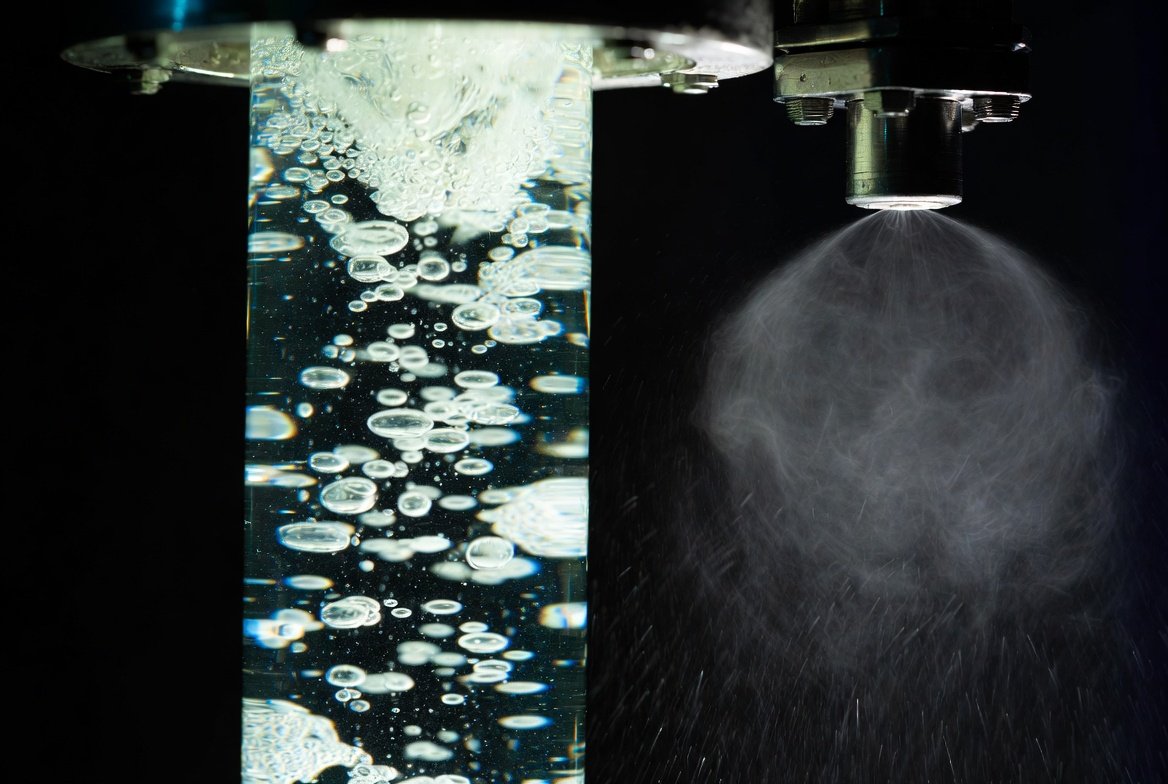
Switch to or blend non-triazine liquid scavengers for faster compliance with refinery and disposal rules. Use optimized bubble column contactors and add solid adsorbent polishing beds downstream for ultra-low outlet H₂S and reduced chemical use. See our latest guide: How to Choose the Right H2S Scavenger for High-Pressure Sour Gas in 2026.
For Biogas & Renewable Natural Gas Plants
Combine iron oxide/hydroxide adsorbents as primary removal with non-triazine liquid polishing. This hybrid approach meets strict grid-injection specs while keeping OPEX low. Full 2026 technology review: H2S Removal from Biogas 2026 – Technology Review.
For Pulp & Paper
Use caustic (NaOH) or permanganate liquids for odor-control vents, followed by specialty activated carbon or mixed-metal oxide beds for final polishing.
Monitoring & Documentation Best Practices
- Install real-time H₂S analyzers with data logging for audit trails.
- Maintain detailed scavenger consumption and spent-media disposal records.
- Work with suppliers who provide full regulatory documentation packages (CEFAS certificates, SDS, byproduct analysis).
The Cost-Compliance Sweet Spot: Hybrid Systems from FirstKlaz
Pure liquid or pure solid solutions often force a trade-off between compliance and cost. FirstKlaz custom hybrid designs deliver both:
- Lower total $/kg H₂S removed
- Full regulatory documentation and testing support
- Flexible OPEX or leased equipment models to preserve capital
- Predictive monitoring to avoid breakthrough violations
Operators using our optimized non-triazine + iron-based combinations in 2025–2026 pilots reported 25–45% total cost savings while exceeding new emission limits. For a side-by-side cost view, read: H2S Scavenger Cost Comparison: Triazine vs Iron-Based Adsorbents.