Article Content
- 1. Fine-Tune Injection Rate & Contact Time
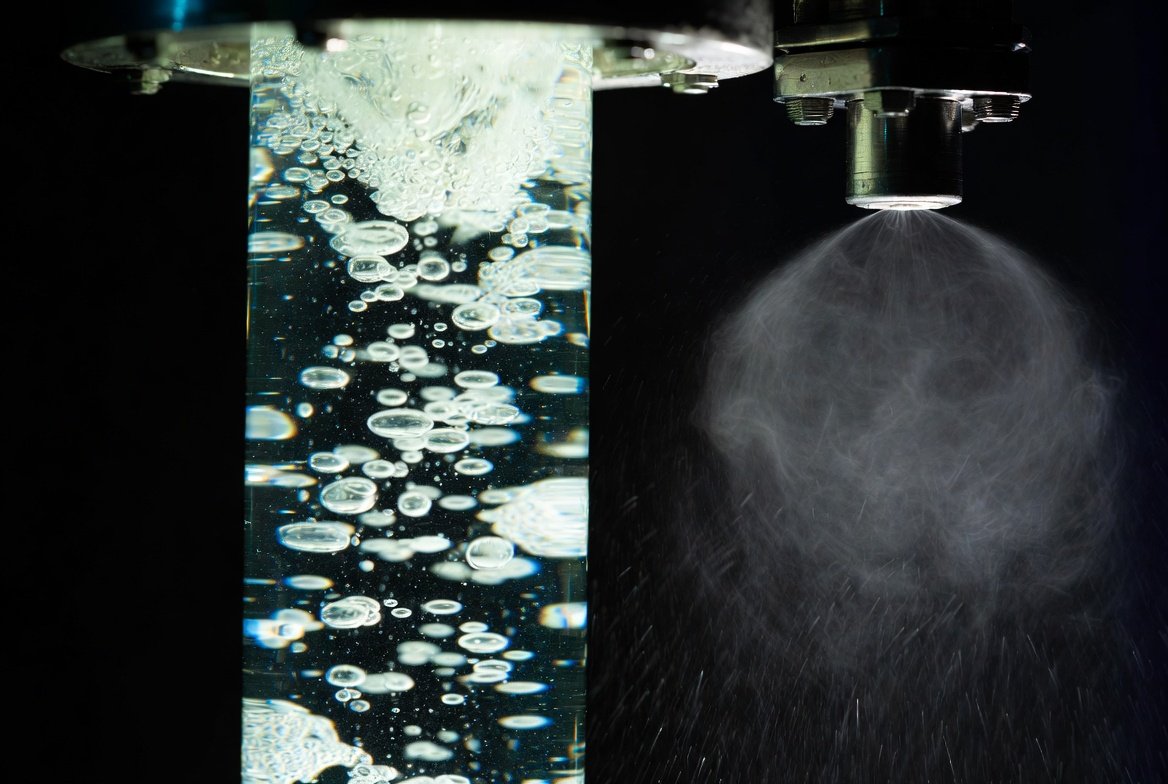
- 2. Upgrade Atomizing Nozzle Performance (Without Replacing Them)
- 3. Deploy Real-Time H₂S Monitoring & Feedback Loops
- 4. Dial In pH and Temperature Sweet Spots
- 5. Improve Mixing & Turbulence in Contactors
- 6. Smart Byproduct Management to Extend Scavenger Life
- 7. Data-Driven Dosing with Basic SCADA or Spreadsheets
- 8. Run Quick 48-Hour Field Validation Tests
At FirstKlaz, our field h2s scavenger optimization audits consistently deliver these results by fine-tuning what you already have. This playbook shares the exact 8 levers we use on sour-gas, biogas, and refinery assets worldwide. Implement even 3–4 of them and you’ll see measurable savings within weeks.
Related: If you haven’t read our latest regulatory update yet, start with H₂S Removal Regulations 2026.
1. Fine-Tune Injection Rate & Contact Time
Most operators still dose based on “rule-of-thumb” rates from 2018. In 2026, that’s leaving 15–25% on the table.
- Run a 24-hour H₂S inlet/outlet profile at varying flow rates.
- Target 90–95% removal in the first contactor pass — anything more is over-dosing.
- Use residence-time calculators (we provide a free spreadsheet — link at the end).
Pro tip: A 10% reduction in injection rate often yields only a 2–3% drop in removal efficiency but a 12% drop in OPEX.
2. Upgrade Atomizing Nozzle Performance (Without Replacing Them)
Your existing nozzles may be the single biggest hidden leak. Fouling, improper spray angle, and wrong droplet size kill efficiency.
Follow our H₂S Scavenger Nozzle Selection Guide checklist:
- Clean nozzles every 30 days with a 10% citric acid flush.
- Verify spray pattern quarterly with a simple water test rig.
- Adjust pressure to maintain 40–60 micron droplets for maximum mass transfer.
One client recovered 18% scavenger savings in just 9 days by cleaning and pressure-tuning.
3. Deploy Real-Time H₂S Monitoring & Feedback Loops
Manual grab samples are yesterday’s news. 2026-grade optimization requires live data.
Install low-cost inline analyzers at inlet, mid-contactor, and outlet. Feed the data into your existing SCADA or our simple cloud dashboard. Automated PID control can adjust dosing every 5 minutes.
Result: Average 22% reduction in daily scavenger use with zero loss of compliance.
4. Dial In pH and Temperature Sweet Spots
Small shifts deliver big gains:
- Keep contactor pH between 6.8–7.2 for most non-triazine scavengers.
- Maintain temperature 5–10 °C above dew point to prevent condensation fouling.
- Use inexpensive inline pH probes with auto-dosing of dilute caustic if needed.
5. Improve Mixing & Turbulence in Contactors
Poor mixing = wasted chemical. Simple static mixer inserts or baffle retrofits (cost < $8k) can boost efficiency 12–18%.
6. Smart Byproduct Management to Extend Scavenger Life
Spent scavenger still contains active chemistry. Gentle recirculation or staged contactor designs can squeeze 8–15% extra performance before disposal.
Link: See our deep-dive on MEA Triazine Mechanisms for byproduct chemistry details.
7. Data-Driven Dosing with Basic SCADA or Spreadsheets
You don’t need AI. A simple Excel model using flow rate, inlet H₂S, and temperature can predict optimal dose within 3% accuracy. We share our proprietary model with every optimization client.
8. Run Quick 48-Hour Field Validation Tests
Before you commit to permanent changes:
- Baseline consumption for 48 hours
- Implement one lever at a time
- Measure again
- Calculate ROI in real time
More from FirstKlaz: