
Article Content
In 2026, midstream operators face tighter H₂S specifications, higher disposal costs, and growing pressure to reduce OPEX while maintaining ultra-low outlet levels (<4 ppm). Pure liquid scavengers or standalone solid beds each have limitations at scale. The winning strategy for many assets? Hybrid H2S removal systems — using fast-acting liquid scavengers for bulk removal followed by regenerative solid adsorbents for polishing and regeneration.
This hybrid approach is delivering 40–60% OPEX savings in real-world sour-gas, biogas, and NGL applications. Below we break down exactly how it works, when it makes sense, and why FirstKlaz Technologies is helping operators implement it right now.
Why Single-Technology Solutions Are Falling Short in 2026
Liquid scavengers (MEA-triazine, non-triazine alternatives, or NaOH) excel at rapid, low-capex bulk removal — especially in high-pressure or variable-flow streams. However, at higher H₂S loads they generate large volumes of spent scavenger that must be disposed of, driving up logistics and environmental costs.
Conversely, regenerative solid adsorbents (iron-oxide, mixed-metal-oxide, or activated-carbon beds) offer low ongoing OPEX through multiple cycles but can struggle with very high inlet concentrations or rapid flow swings.
How to Choose the Right H₂S Scavenger for High-Pressure Sour Gas in 2026 already showed that no single technology is optimal across every scenario. Hybrid systems solve this by playing to each technology’s strengths.
How Hybrid H₂S Removal Systems Work
A typical 2026 hybrid configuration looks like this:
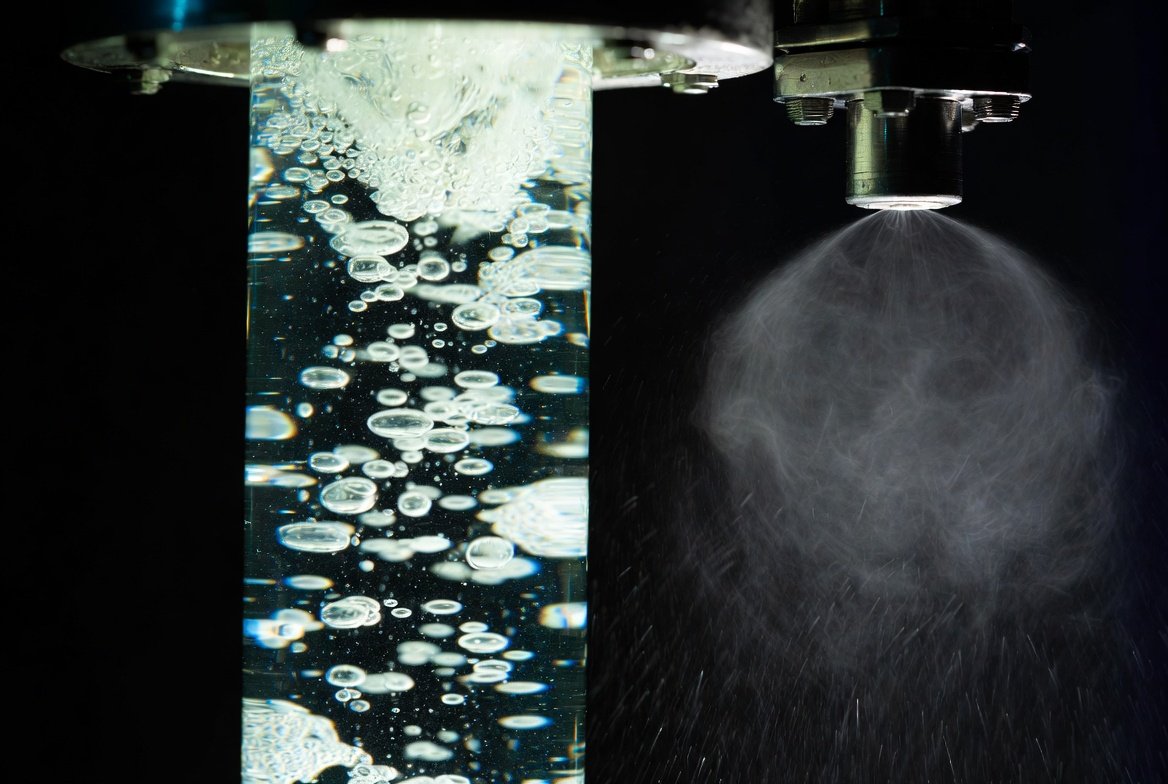
- Bulk Removal Stage – Liquid scavenger injection or bubble-column contactor (non-triazine or MEA-triazine) reduces H₂S from thousands of ppm down to 50–200 ppm.
- Polishing Stage – Regenerative solid adsorbent bed (iron-oxide/hydroxide or mixed-metal-oxide) takes the gas the rest of the way to pipeline spec (<4 ppm) while allowing full regeneration and reuse.
The spent liquid from Stage 1 is minimized, and the solid bed cycles for years with simple hot-gas regeneration — dramatically cutting both chemical consumption and waste-hauling costs.
Real OPEX Savings: 40–60% Documented in the Field
Operators using hybrid systems in 2025–2026 are seeing:
- 50–70% reduction in liquid scavenger consumption
- 40–60% lower total cost per kg of H₂S removed
- Significantly reduced spent-scavenger disposal volumes (and associated regulatory headaches)
- Extended bed life on the solid stage because inlet loading to the adsorbent is much lower
These gains are especially pronounced in midstream gathering systems, biogas-to-RNG plants, and sour NGL bullet treating where flow rates fluctuate daily.
Head-to-Head Comparison: Hybrid vs. Single Technology (2026 Economics)
| Technology | CAPEX | OPEX ($/kg H₂S) | Disposal Burden | Best For |
|---|---|---|---|---|
| Liquid Scavenger Only | Low | $8–15 | High | Low-flow, variable H₂S |
| Solid Adsorbent Only | Medium-High | $3–6 | Very Low | Steady moderate H₂S |
| Hybrid (Liquid + Regenerative Solid) | Medium | $2–4 | Very Low | High-flow, variable, or cost-sensitive assets |
Data compiled from FirstKlaz field deployments and 2026 operator feedback.
When to Choose a Hybrid System
Use this quick decision matrix:
- High inlet H₂S (>500 ppm) + high flow → Hybrid is almost always cheapest
- Strict disposal or zero-liquid-discharge requirements → Hybrid slashes spent-scavenger volume
- Variable or upset-prone streams → Liquid stage handles spikes; solid stage guarantees spec
- Biogas/RNG or pipeline injection → Hybrid meets <1–4 ppm reliably while keeping OPEX low
For a deeper dive into scavenger chemistry, see The Rise of Non-Triazine Liquid H₂S Scavengers and Reaction Mechanisms of MEA Triazine.