Article Content
Water treatment facilities—whether municipal drinking water plants treating groundwater or wastewater treatment plants (WWTPs) processing sewage—must implement robust management strategies to control Hydrogen Sulfide. In this comprehensive guide, we explore the origins of H₂S, its detrimental impacts, the advanced technologies used for its removal, and the specific chemicals employed, including typical treatment rates and application methods.
Effective H₂S management extends infrastructure lifespan, reduces operational costs, and ensures regulatory compliance. For more on advanced H₂S removal chemistries tailored to wastewater, see our detailed overview at H₂S Removal from Wastewater.
The Origin of Hydrogen Sulfide in Water Systems
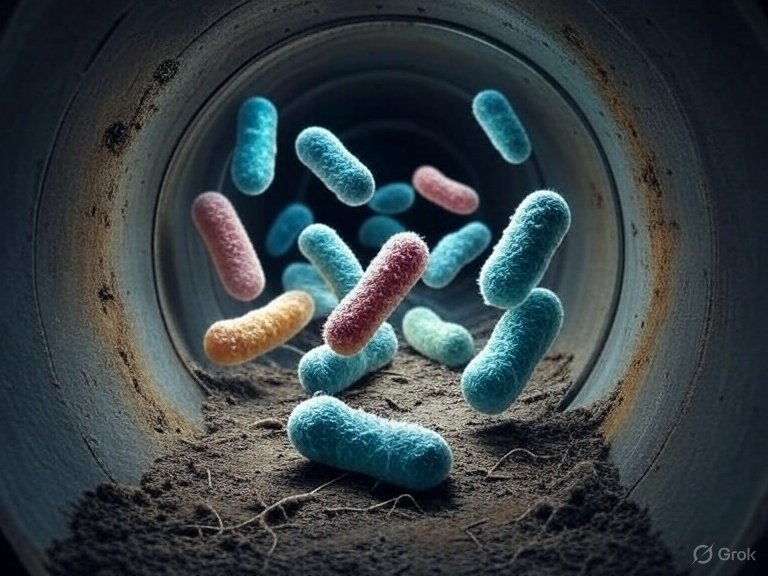
H₂S primarily originates from biological and chemical processes under anaerobic (oxygen-deprived) conditions. In wastewater collection systems and treatment plants, sulfate-reducing bacteria (SRB) such as Desulfovibrio desulfuricans play the central role. These microbes thrive in the gelatinous slime layers on pipe walls, in stagnant sewage, or in sludge blankets where dissolved oxygen (DO) is absent and soluble biological oxygen demand (BOD) is high.
The key biochemical reaction is the reduction of sulfate ions (SO₄²⁻), naturally present in wastewater or groundwater, into sulfide ions (S²⁻):
SO₄²⁻ + Organic matter → H₂S + CO₂ (under anaerobic conditions)
Sulfide then combines with hydrogen ions (H⁺) to form dissolved H₂S gas, which volatilizes easily at lower pH levels. Factors accelerating production include high sulfate concentrations, warm temperatures, long retention times in sewers or holding tanks, low flow velocities, and acidic conditions (pH below 7 favors H₂S over HS⁻ or S²⁻ forms).
In drinking water treatment, H₂S often enters via groundwater wells drilled into sulfur-rich bedrock like shale or sandstone, where sulfur-reducing bacteria naturally convert sulfates. Industrial discharges, landfill leachate, or agricultural runoff can also introduce sulfates that fuel SRB activity downstream. Unlike surface water sources, groundwater and sewage systems lack natural aeration, making them prime environments for H₂S formation. Understanding these origins is the first step in proactive control, as detailed in selection guides for treatment technologies: How to Select the Correct H₂S Removal Technology.
The Impact of H₂S on Water Treatment Operations
H₂S exerts multifaceted negative effects that can cripple water treatment processes if left unchecked. At low concentrations (as little as 0.5 ppm in air), it produces an overpowering rotten-egg odor, leading to public complaints and regulatory scrutiny. Higher levels trigger severe health hazards: exposure above 100 ppm causes eye and respiratory irritation, while concentrations exceeding 500 ppm can result in unconsciousness or death within minutes. Wastewater plant workers face elevated risks in confined spaces like manholes, lift stations, and digesters.
Corrosion is perhaps the most costly impact. H₂S volatilizes into sewer headspace air, where sulfur-oxidizing bacteria (e.g., Thiobacillus spp.) convert it into sulfuric acid (H₂SO₄):
H₂S + 2O₂ → H₂SO₄
This biogenic sulfuric acid rapidly degrades concrete pipes, steel reinforcements, and metal fixtures, causing “crown corrosion” in sewers and structural failures. In the U.S. alone, H₂S-induced corrosion costs billions annually in repairs and replacements. In treatment plants, H₂S corrodes pumps, valves, and biogas handling equipment, while also interfering with biological processes by inhibiting nitrification or anaerobic digestion efficiency.
Additional operational issues include staining of fixtures (black iron sulfides), taste and odor problems in finished drinking water, and reduced biogas quality for energy recovery (H₂S poisons engines and catalysts). Untreated H₂S also increases sludge production and disposal costs. Proactive management mitigates these risks, preserving assets and ensuring safe, efficient operations.
Technologies Used by Water Treatment Plants to Remove H₂S
Water treatment facilities employ a range of physical, chemical, biological, and hybrid technologies for H₂S control. Selection depends on concentration (low vs. high), flow rates, pH, and whether the goal is liquid-phase (dissolved in water) or gas-phase (headspace/biogas) treatment.
Physical Methods: Aeration and air stripping are common for drinking water and low-H₂S wastewater. Packed-tower or forced-draft aerators transfer H₂S from liquid to gas phase, achieving >90% removal for concentrations above 3 mg/L when pH is adjusted below 7.2. Degassing under vacuum or with inert gas is used in specialized high-pressure systems. Limitations include off-gas treatment needs and pH dependency.
Biological Methods: These leverage sulfur-oxidizing bacteria (SOB) in biofilters, biotrickling filters, or activated sludge recycling. SOB convert H₂S to elemental sulfur or sulfate with minimal byproducts. In-digester micro-aeration (0.3–3% oxygen in biogas headspace) is cost-effective for anaerobic digesters. Biological systems excel in sustainability but require larger footprints and steady conditions.
Adsorption and Scrubbing: Activated carbon (caustic-impregnated) or iron-sponge media adsorb H₂S in gas streams. Chemical scrubbers using caustic or chelated iron provide high-efficiency gas-phase removal.
Advanced and Hybrid Approaches: Liquid redox processes, membranes, and advanced oxidation (ozone, UV) offer precision for variable loads. For comprehensive comparisons, refer to our technology selection guide.
Chemicals Used to Remove H₂S: Dosages, Reactions, and Application Methods
Chemical treatments provide rapid, targeted control, often applied preventively in collection systems or at plant headworks. Common oxidants and precipitants include:
- Hydrogen Peroxide (H₂O₂): A strong, environmentally friendly oxidant that decomposes to water and oxygen. Reactions: H₂S + H₂O₂ → S + 2H₂O (pH < 8.5) or H₂S + 4H₂O₂ → SO₄²⁻ + 2H₂O (pH > 8.5). Typical dosage: 1–3 mg/L H₂O₂ per 1 mg/L sulfide (up to 4:1 by weight in practice). Applied via metering pumps 30+ minutes upstream of release points in systems with <5-hour retention. Ideal for short-duration control and odor bio-oxidation.
- Iron Salts (Ferrous/Ferric Chloride or Sulfate): Precipitate sulfides as insoluble FeS or Fe₂S₃ for removal in clarifiers. Reactions: Fe²⁺ + HS⁻ → FeS + H⁺; 2Fe³⁺ + 3HS⁻ → Fe₂S₃ + 3H⁺. Dosage: 3–5 mg/L as Fe per 1 mg/L sulfide (practical rates often 1.5–6 lb Fe per lb H₂S). Long-duration control; dosed continuously at lift stations or headworks. Sludge increases but is manageable.
- Sodium Chlorite (NaClO₂) or Chlorine Dioxide (ClO₂): Selective oxidants that destroy H₂S and biofilms without forming chlorinated byproducts. Dosage: ~3 mg/L NaClO₂ per 1 mg/L sulfide. Applied near sources or in long-retention lines (>3 hours). ClO₂ also removes SRB biofilms.
- Nitrates (e.g., Calcium Nitrate): Prevent septicity by providing alternative oxygen for denitrifying bacteria. Minimum: 1.5 lb nitrogen-oxygen per lb BOD. Effective in >4-hour retention systems; promotes bio-oxidation to N₂ and CO₂.
- Other Oxidants: Chlorine (~2 mg/L per mg/L H₂S for medium-high levels); potassium permanganate or ozone for advanced applications. pH adjusters like magnesium hydroxide raise pH to shift H₂S to non-volatile HS⁻.
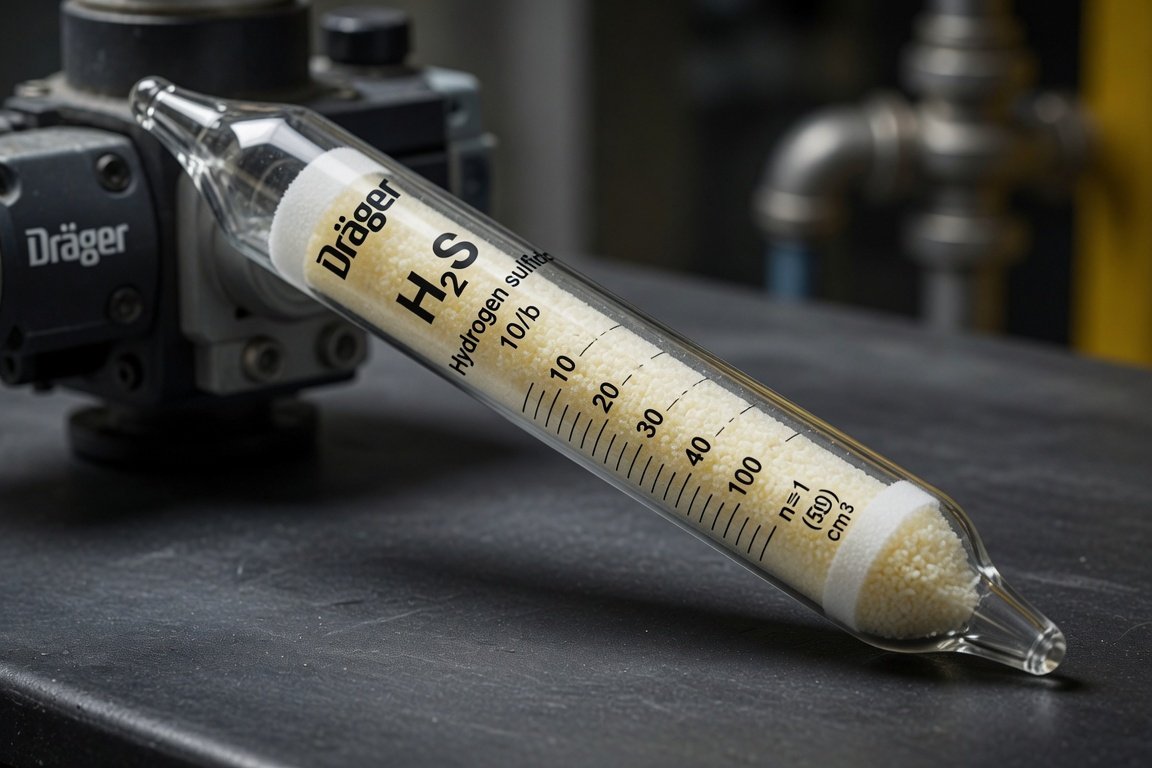
Chemicals are dosed via automated peristaltic or diaphragm pumps with flow-proportional or ORP/pH-based control for optimization. Shock dosing (higher initial rates) establishes control, followed by maintenance dosing. Monitoring with H₂S sensors ensures precise application, minimizing costs and byproducts. For drinking water wells, shock chlorination or continuous chlorination (with carbon filtration) is standard for bacterial sources.
Hybrid strategies—combining nitrate with iron salts or chemical pre-treatment with biological polishing—often yield the best results, as explored in our wastewater-focused article: Effective H₂S Removal: Advanced Chemistries for Wastewater.
Best Practices and Implementation in Modern Plants
Successful H₂S management integrates prevention, real-time monitoring, and adaptive dosing. Facilities conduct system surveys (ORP, pH, sulfide levels) to identify hotspots like force mains or digesters. Regular biofilm control, velocity maintenance, and ventilation reduce risks. Regulatory drivers (e.g., OSHA confined-space rules, odor ordinances) mandate continuous improvement.
Emerging trends include AI-optimized dosing, sustainable bio-augments, and zero-liquid-discharge hybrids. Case studies show 90–99% H₂S reductions with combined approaches, slashing corrosion rates by 80%+ and eliminating odors.
Conclusion: A Proactive Approach to H₂S Control
Water treatment plants have evolved sophisticated tools to combat H₂S—from understanding its bacterial origins to deploying precise chemical, physical, and biological technologies. By addressing root causes and selecting appropriate solutions based on site-specific conditions, facilities protect public health, infrastructure, and the environment while controlling costs. As regulations tighten and sustainability demands grow, ongoing innovation in H₂S management remains essential.