
Article Content
By 2026, new EPA NSPS/MACT rules, state flaring limits (such as New Mexico’s 98% reduction mandate), and global Best Available Techniques (BAT) requirements are forcing rapid adoption of next-generation H2S removal technologies.
This article explores the latest advancements in H₂S removal—from non-triazine scavengers and liquid redox systems to biological desulfurization, advanced membranes, and green solvents—highlighting real-world deployments, performance data, cost savings, and future trends shaping the industry.
Why H2S Removal Matters More Than Ever in 2026
H₂S poses severe risks to personnel safety (OSHA PEL remains 20 ppm ceiling with stricter enforcement), asset integrity (sulfide stress cracking and corrosion), and the environment (SO₂ emissions from flaring). As sour reservoirs become economically viable, H₂S concentrations in produced gas often exceed pipeline specs (<4 ppm) and sales gas requirements. Simultaneously, stricter regulations on spent scavenger disposal (RCRA/TSCA) and formaldehyde-releasing chemistries are pushing operators away from traditional triazine solutions.
Market data reflects this urgency: the global H₂S scavengers market is projected to grow from approximately USD 388 million in 2024 to USD 475–552 million by 2030–2034 at a CAGR of 3.2–3.4%, driven by upstream production growth and sustainability mandates.
Limitations of Conventional Methods
Traditional amine gas sweetening remains dominant for high-volume, high-H₂S streams in centralized plants but requires significant capital, energy for regeneration, and large footprints. The Claus process and its tail-gas treatment variants achieve 94–99.9% sulfur recovery but struggle with variable flows and remote operations.
Non-regenerative triazine scavengers, long the workhorse for low-level H₂S (<100 ppm), generate problematic dithiazine solids that cause scaling, fouling, and costly disposal. These drawbacks have accelerated the shift toward regenerative, lower-toxicity, and hybrid solutions.
Advances in Chemical Scavengers: Non-Triazine and Regenerative Formulations
2024–2026 has seen rapid commercialization of non-triazine liquid scavengers. Products such as Q2 Technologies’ Pro3® GT series eliminate scale buildup in pipelines while reducing chemical dosage and OPEX. Dry solid scavengers like Pro3® Nano simplify logistics, improve safety, and minimize waste handling.
Hybrid systems combining non-triazine liquids with iron-oxide/hydroxide adsorbents (e.g., SULFURTRAP EX® or SLB’s SELECT S) deliver 25–45% total cost savings in 2025–2026 field pilots while exceeding new ultra-low emission limits. Low-toxicity and bio-based formulations (including biogenic amines derived from natural sources) further address REACH and CEFAS offshore restrictions.
Liquid Redox Technology: VALKYRIE and Next-Generation Systems
Streamline Innovations’ VALKYRIE® represents a breakthrough in liquid redox (Reduction-Oxidation) technology. Using patented, non-toxic, biodegradable TALON® chemistry, VALKYRIE converts H₂S directly into elemental sulfur (certified for agricultural/food use) and water vapor. The chemistry is fully regenerative via simple air oxidation, dramatically reducing media replacement and disposal costs.
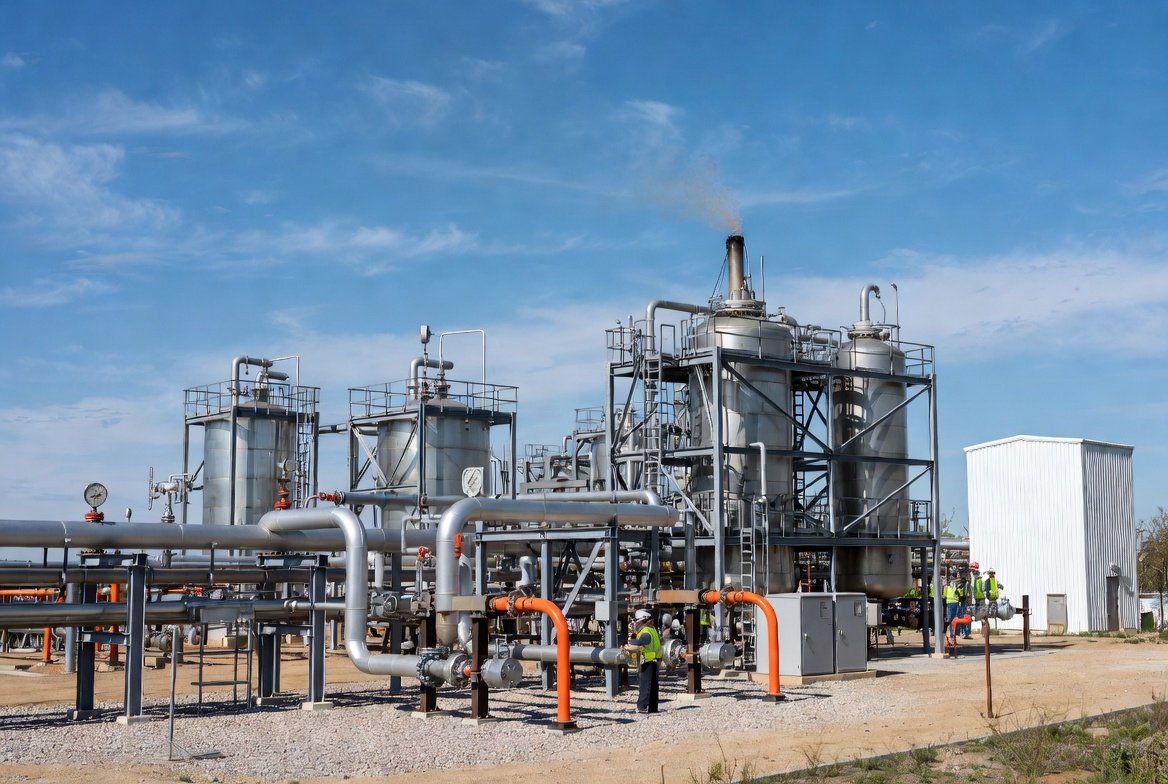
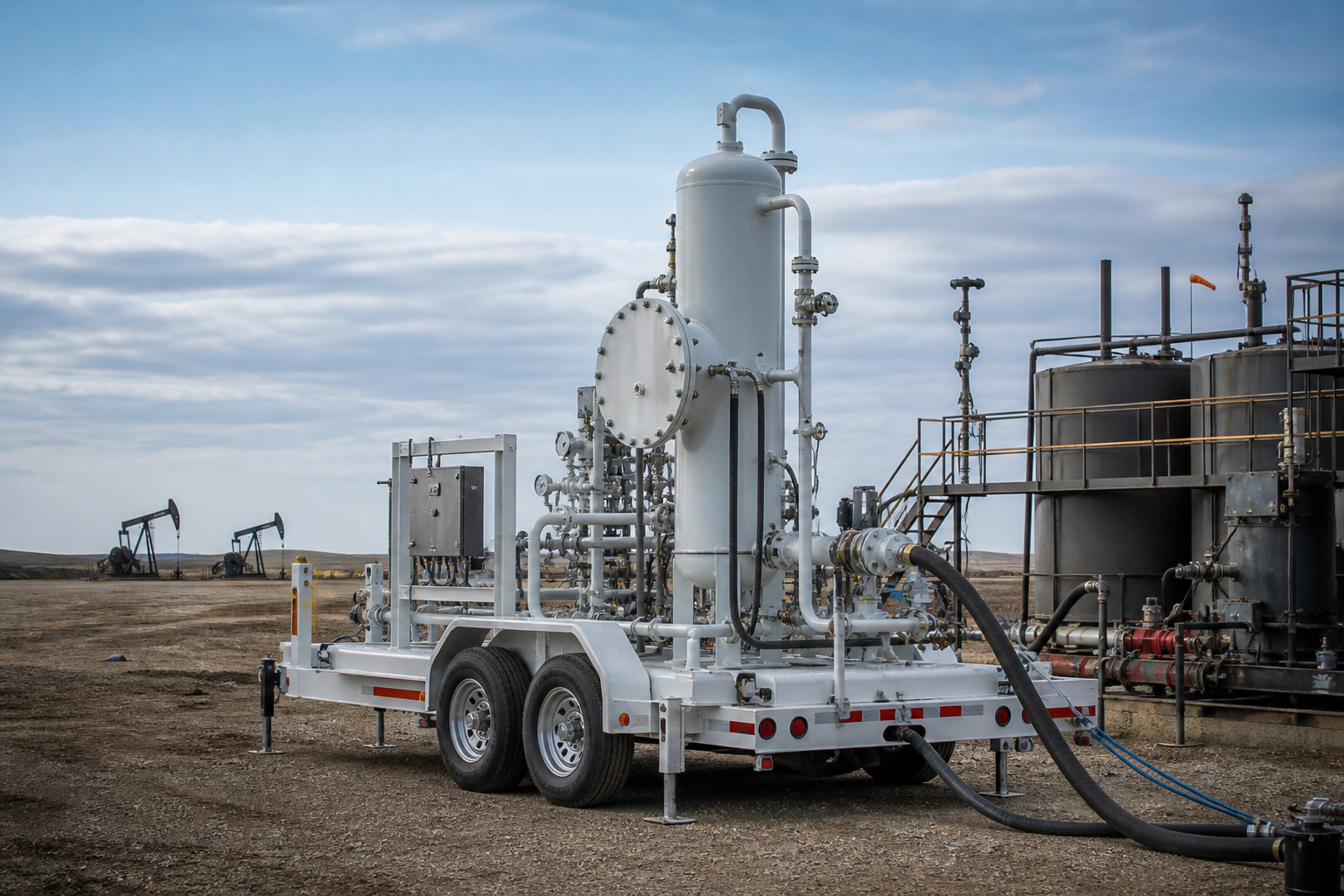
Deployed extensively in the Permian Basin with operators including Chevron, Franklin Mountain Energy, and Taprock Resources, VALKYRIE units treat sour gas at wellhead or midstream locations. In 2023 alone, the VALKYRIE fleet avoided 39.7 million pounds of SO₂ emissions while enabling sour-gas monetization instead of flaring. The technology’s wide operating envelope (pressure, flow, and H₂S concentration) makes it ideal for de-bottlenecking takeaway constraints and gas-lift operations.
Biological Desulfurization: THIOPAQ O&G Gains Momentum
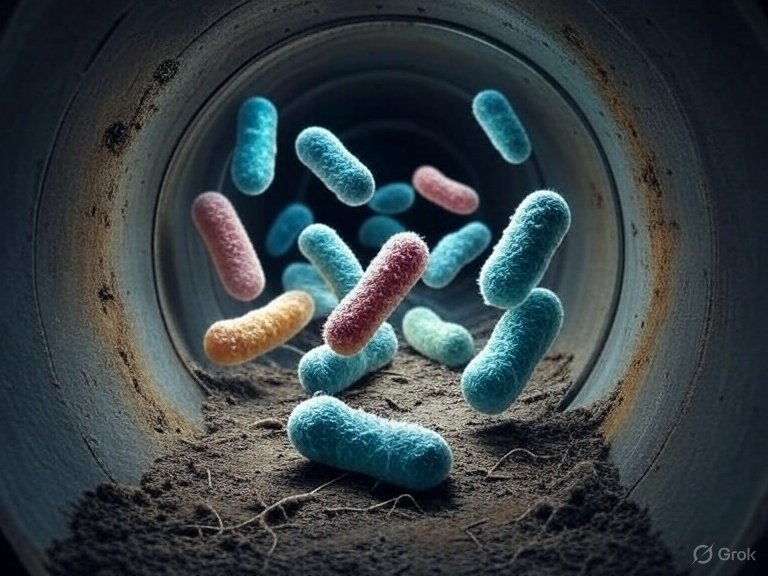
Biological methods have matured into reliable, low-OPEX solutions for mid-to-large flows. SLB’s THIOPAQ O&G (licensed from Paqell BV, a Shell-Paques joint venture) uses naturally occurring Thiobacillus bacteria to oxidize H₂S to solid elemental sulfur at ambient temperature and pressure. The process produces non-hazardous biosulfur suitable for agricultural use and achieves >99.9% removal efficiency.
New full-scale units came online in Oman in Q1 2025 for flare-gas recovery, with additional Ultra-scale plants under construction in Europe and the Middle East (first start-ups planned Q4 2025). THIOPAQ O&G offers the lowest lifecycle cost per pound of sulfur removed for steady flows above ~1.5–20 tons per day and requires no toxic chemicals or hazardous waste handling.
Membranes, Adsorption, and Green Solvents: Material Science Breakthroughs
Membrane separation is expanding rapidly. MTR’s SourSep™ hollow-fiber systems achieve >75% bulk H₂S removal with high hydrocarbon recovery, reducing downstream treating loads. Mixed-matrix membranes incorporating ionic liquids (ILs) and cellulose triacetate (CTA) fibers handle high H₂S partial pressures with low energy use and modular skid designs ideal for offshore and remote sites.
Advanced adsorption continues to evolve with metal-organic frameworks (MOFs), nanofluids, and high-capacity iron-based media. Deep eutectic solvents (DES) and ionic-liquid-hybrid polyoxometalates now offer highly selective, regenerable H₂S capture under mild conditions. Electrochemical deep oxidation using in-situ generated H₂O₂ (2025 breakthrough) converts H₂S to value-added sulfates (K₂SO₄ or H₂SO₄) at low energy, opening new byproduct revenue streams.
Digitalization and Process Intensification
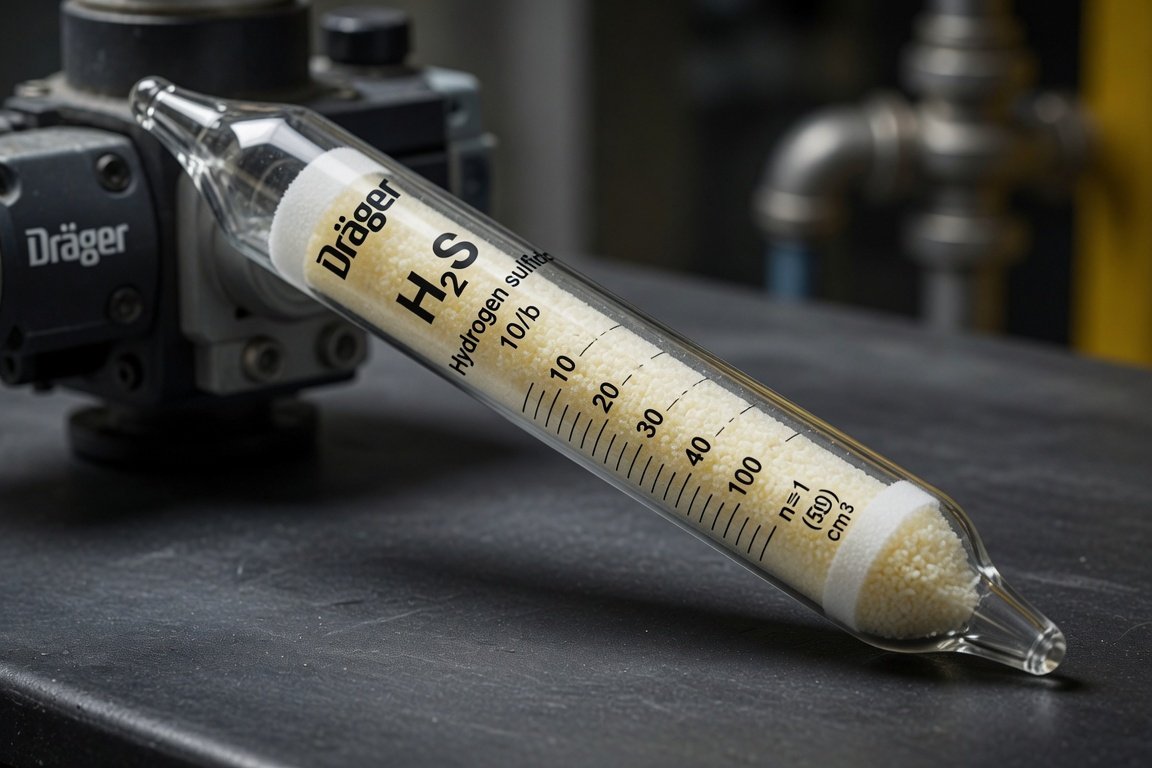
Real-time H₂S analyzers combined with AI-driven dosing platforms optimize scavenger or redox chemical consumption, often cutting usage by 15–30%. Modular, skid-mounted units and hybrid liquid-solid polishing systems enable rapid deployment in remote shale plays and offshore environments while meeting 2026 regulatory deadlines.
Regulatory Drivers and Case Studies
The 2026 regulatory landscape is the strongest catalyst for adoption. EPA rules lower emission thresholds; state agencies demand near-zero flaring; and offshore CEFAS ratings favor low-nitrogen, low-toxicity formulations. Operators using non-triazine + iron hybrids in 2025–2026 pilots reported 25–45% cost savings while surpassing compliance targets. VALKYRIE and THIOPAQ deployments have simultaneously reduced emissions and generated sellable sulfur byproducts, delivering both environmental and economic wins.
Future Outlook: Toward Net-Zero and Circular Sulfur Economy
By 2030, expect wider integration of biological and redox systems with membranes and electrochemical polishing for near-zero H₂S emissions. Continued R&D in MOFs, IL-DES hybrids, and AI-optimized processes will drive down costs and expand applicability to ultra-sour fields and biogas upgrading. The industry is shifting from mere compliance to resource recovery—transforming a hazardous waste into valuable elemental sulfur and supporting the circular economy.
Operators who invest early in these proven, regenerative, and low-carbon technologies will gain competitive advantages in safety, sustainability reporting, and operating margins.
Conclusion
The latest developments in H₂S removal—non-triazine scavengers, VALKYRIE liquid redox, THIOPAQ biological desulfurization, advanced membranes, and green solvents—offer operators unprecedented flexibility, lower costs, and superior environmental performance. As 2026 regulations tighten and sour-gas production expands, these innovations are not just compliance tools but strategic enablers for safer, greener, and more profitable operations across the oil and gas value chain.