Article Content
Among the various H₂S removal technologies—such as amine scrubbing, liquid redox processes, and activated carbon—fixed-bed adsorbents based on iron oxide (FeO, Fe₂O₃) and iron hydroxides (Fe(OH)₃, FeOOH) remain popular for their simplicity, reliability, and cost-effectiveness in low-to-moderate H₂S applications.
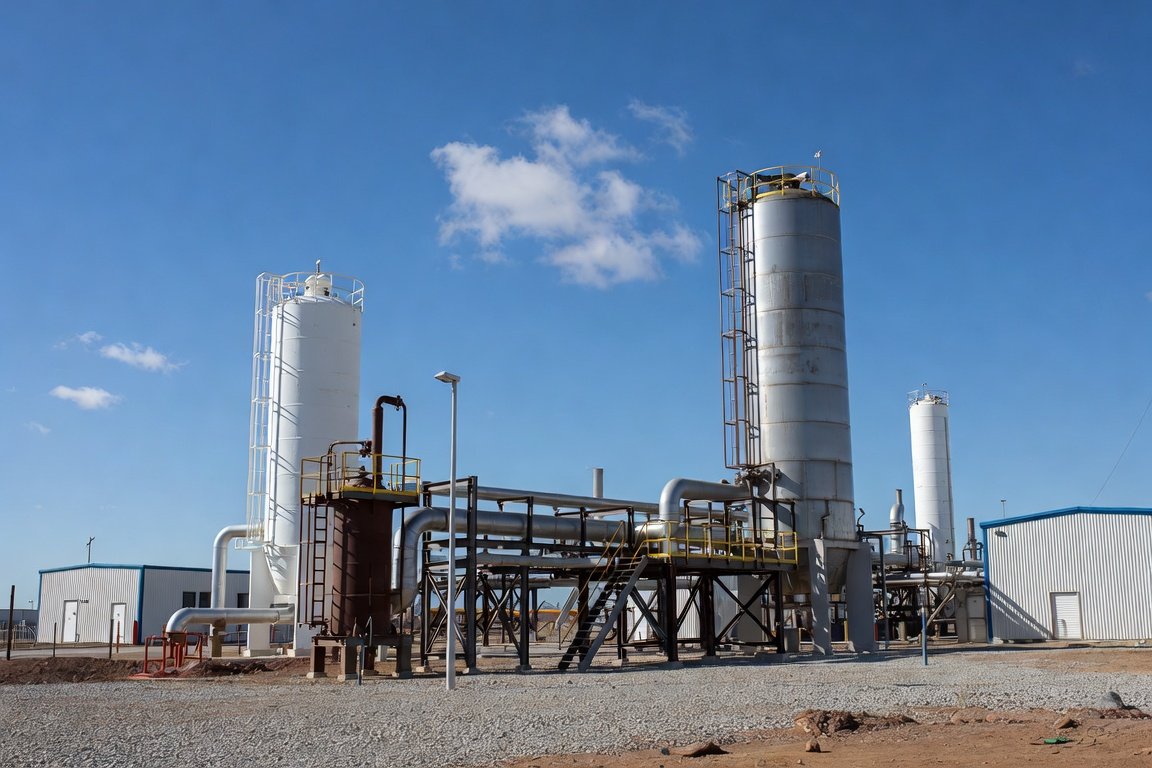
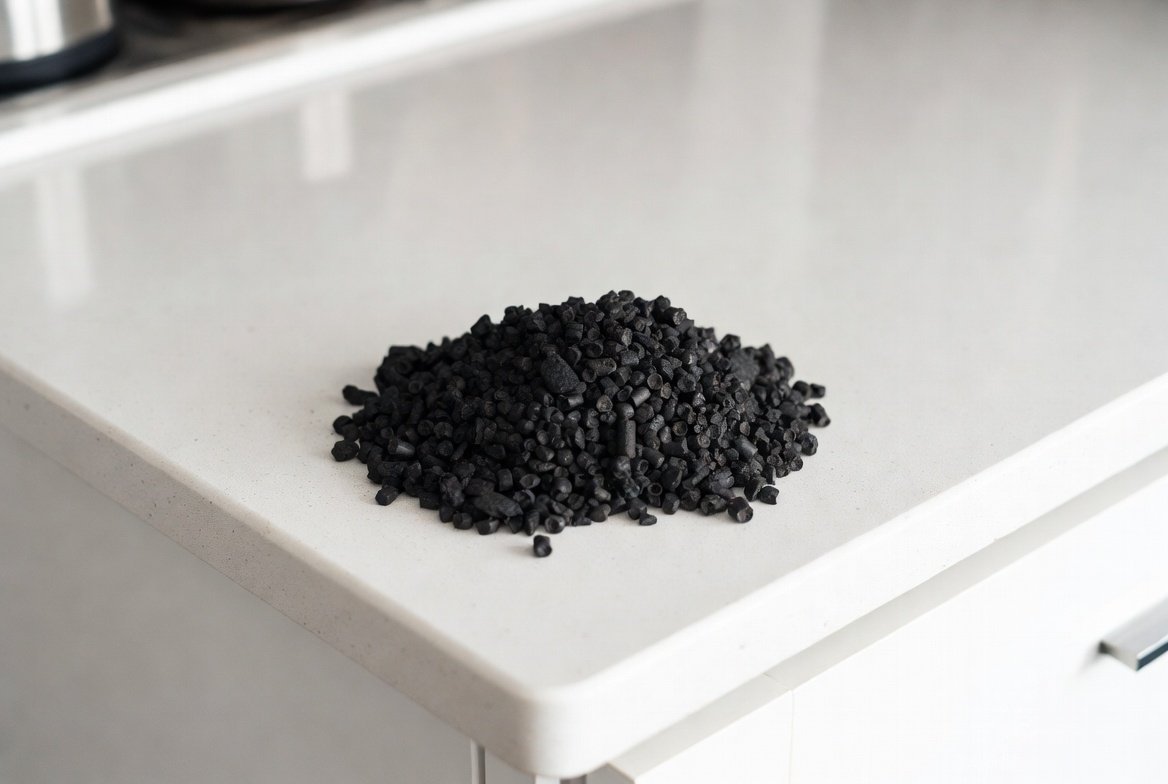
These media operate via chemisorption: H₂S chemically reacts with the iron species to form stable iron sulfides and water. Commercial examples include traditional iron sponge (wood chips impregnated with hydrated iron oxide) and engineered granular products like SulfaTreat® (iron oxide-based) or FERROLOX-type iron hydroxide pellets. This article explores the detailed reaction mechanisms of FeO and iron hydroxide-based adsorbents, their uptake capacities, interactions with other natural gas contaminants (including O₂), and critical considerations for handling and disposing of spent media. With approximately 1500 words, it provides a comprehensive technical overview suitable for gas processing engineers, operators, and environmental managers.
The Chemistry of H₂S Removal with FeO and Iron Hydroxides
Iron-based adsorbents primarily consist of ferric oxide (Fe₂O₃), ferrous oxide (FeO), goethite (α-FeOOH), or ferric hydroxide (Fe(OH)₃). These materials are chosen for their high reactivity toward H₂S at ambient to moderate temperatures (typically 20–50°C) and atmospheric to moderate pressures common in natural gas gathering and processing.
The primary reaction for iron oxide is chemisorption involving heterolytic dissociation of H₂S on the surface. H₂S adsorbs dissociatively, with SH⁻ and S²⁻ anions exchanging with O²⁻ or OH⁻ groups, followed by redox processes where Fe³⁺ is partially reduced to Fe²⁺ and sulfide is oxidized (often to elemental sulfur). Simplified stoichiometric equations include:
For Fe₂O₃ (hematite or similar phases):
Fe₂O₃ + 3H₂S → Fe₂S₃ + 3H₂O
Or more accurately reflecting partial sulfur formation (observed in mechanistic studies):
Fe₂O₃ + 3H₂S → 2FeS + ⅛S₈ + 3H₂O
For FeO (ferrous oxide, present in some mixed-phase commercial formulations like certain SulfaTreat variants):
FeO + H₂S → FeS + H₂O
Iron hydroxides, such as Fe(OH)₃ or α-FeOOH (goethite), exhibit superior performance due to abundant Brønsted acid sites (surface OH groups) that facilitate rapid H₂S dissociation. The key reaction is:
2Fe(OH)₃ + 3H₂S → Fe₂S₃ + 6H₂O
Or for goethite:
2FeOOH + 3H₂S → 2FeS + ⅛S₈ + 4H₂O
Mechanistic studies using FTIR and volumetric methods show that on α-FeOOH, H₂S undergoes fast ionic dissociation, while on crystalline α-Fe₂O₃ it proceeds more slowly via molecular adsorption. Surface hydroxyl groups play a critical role: the electropositive H from H₂S interacts with electronegative O in OH, while lone pairs on oxygen interact with H from H₂S. This leads to water elimination and formation of iron sulfides, elemental sulfur, and minor sulfate species as by-products. The overall process is exothermic (ΔH ≈ -173 to -179 kJ/mol Fe oxide), releasing heat that must be managed in large beds.
Moisture is essential. Water-saturated gas streams (common in natural gas) enhance kinetics by aiding H₂S dissolution and surface hydration. Dry conditions significantly reduce capacity.
Uptake Capacities and Performance Factors
Theoretical capacity based on stoichiometry is high: approximately 0.64 kg H₂S per kg Fe₂O₃ or equivalent for hydroxides. Practical capacities vary widely depending on formulation, surface area (BET >150 m²/g preferred), pore structure, and operating conditions. Traditional iron sponge (15–20 lbs Fe₂O₃ per bushel of wood chips) achieves 0.2–0.4 g H₂S/g active oxide, or roughly 10–20% sulfur by weight loading before breakthrough.
Engineered iron oxide products (e.g., SulfaTreat) offer 2–4 times the capacity of classic iron sponge—often 200–400 mg H₂S/g media—with low pressure drop and high density for compact vessels. Iron hydroxide-based media can reach 232–710 g H₂S/kg (20–40% sulfur by weight) thanks to higher surface areas (258–301 m²/g) and reactivity in humid conditions. Laboratory tests on α-FeOOH or Fe(OH)₃ show ~135 mg/g at 5% humidity and 35°C, far outperforming pure α-Fe₂O₃ (~4 mg/g).
Key performance factors include:
- Humidity: Optimal at water saturation; dry gas reduces kinetics dramatically.
- Temperature: Ambient to 50°C ideal; higher temperatures may favor side reactions.
- Gas velocity and bed residence time: 1–15 minutes contact time recommended for complete removal.
- Particle size and bed design: Granular or pelletized forms minimize channeling; lead-lag vessel configurations ensure continuous operation.
Commercial media like SulfaTreat achieve predictable consumption tied directly to H₂S loading, with breakthrough easily monitored via outlet analyzers.
Interactions with Other Natural Gas Contaminants and Oxygen
Natural gas rarely contains pure H₂S. Interactions with CO₂, mercaptans (RSH), carbonyl sulfide (COS), and trace O₂ significantly influence performance.
CO₂: High CO₂ partial pressures (common in associated gas or biogas) can form iron carbonates (e.g., FeCO₃) on certain phases, blocking active sites and reducing H₂S capacity. Iron hydroxides and optimized formulations are more tolerant than pure oxides, but water saturation helps mitigate carbonate formation by favoring the H₂S reaction. Some studies note capacity drops in high-CO₂ streams unless the media is pre-conditioned or formulated specifically.
Mercaptans and COS: Light mercaptans are partially removed via similar chemisorption, forming iron mercaptides or mixed sulfides, though slower than H₂S. COS removal is limited. Some advanced iron hydroxide products also capture siloxanes, reducing downstream fouling.
Oxygen (O₂): Trace O₂ (from air ingress, fracking, or pipelines) has dual effects. It can enable partial in-situ regeneration:
Fe₂S₃ + 1½O₂ + 3H₂O → 2Fe(OH)₃ + 3S (highly exothermic, ΔH ≈ -603 kJ/mol)
This deposits elemental sulfur, which can clog pores over time but extends media life modestly. However, excessive O₂ promotes sulfate formation (FeSO₄ or H₂SO₄), deactivating the bed irreversibly. In alternating H₂S/O₂ removal studies, α-FeOOH shows excellent efficiency for both, with H₂S conversion 40–100 hours and O₂ ~5.5 hours in pilot tests. O₂ also drives the overall Claus-like reaction: 3H₂S + 1½O₂ → 3S + 3H₂O.
Overall, low O₂ (<1%) is tolerable or beneficial; higher levels require upstream removal or specialized media design.
Spent Media: Safety Concerns, Handling, and Disposal
Once saturated, the media contains iron sulfides (FeS, Fe₂S₃), elemental sulfur, and residual oxide/hydroxide. Traditional iron sponge spent media is often pyrophoric: iron sulfides oxidize rapidly upon air exposure, especially if dried.
The oxidation reaction is strongly exothermic:
2FeS + 3O₂ → 2FeO + 2SO₂ (or further to Fe₂O₃ + SO₂/SO₃)
This can cause spontaneous heating (self-heating substances) or ignition within minutes if the bed is dry and exposed during change-out. Fires or explosions risk if hydrocarbons remain in the vessel. Sulfides may also release residual H₂S upon acidification or heating. Commercial engineered media (e.g., SulfaTreat) are formulated to be non-pyrophoric in both fresh and spent forms, simplifying handling.
Handling protocols: Keep spent media wet during removal and storage. Use nitrogen purging or water flooding of vessels before opening. Monitor temperature during unloading. PPE and fire suppression (water, not dry chemicals in some cases) are essential. Some operators quench with specialized de-pyrophorizing solutions.
Disposal: Spent media is typically non-hazardous per TCLP and WET testing (no leachable heavy metals or toxicity). It can be landfilled in non-hazardous facilities. For biogas/landfill-derived media, land application or composting is common—the residual iron and sulfur act as soil amendments or fertilizers. Regulatory approval is required; some jurisdictions may classify it as reactive (Class 4) waste if pyrophoric, necessitating de-listing protocols or stabilization.
Incineration is an option but produces SO₂ emissions requiring scrubbing. Recycling is limited due to sulfur contamination, though some reuse in road base or bricks has been proposed. Costs for disposal are low compared to media replacement, but transportation of wet spent media adds expense. Always consult local regulations and perform waste characterization.
Conclusion and Practical Considerations
FeO and iron hydroxide-based adsorbents provide a robust, low-maintenance solution for H₂S removal in natural gas. Their chemisorption mechanism delivers reliable performance in wet streams, with hydroxides offering higher capacities and partial regenerability via air. Understanding surface chemistry, the need for moisture, and interactions with CO₂/O₂/mercaptans allows optimized design and longer bed life. Safety around spent media—particularly pyrophoricity and exothermic air reactions—cannot be overstated; proper wetting and procedures prevent incidents.
While not regenerable indefinitely (sulfur buildup limits cycles), these media remain economical for many applications compared to liquid processes. Ongoing advances in granular formulations continue to improve capacity, reduce pressure drop, and enhance environmental footprint. For operators, regular monitoring of inlet/outlet H₂S, pressure drop, and temperature ensures safe, efficient operation.
In summary, iron-based adsorbents exemplify elegant chemistry meeting practical industry needs—balancing high uptake, selectivity, and manageable end-of-life handling.