Article Content
The THIOPAQ system, developed by Paques (and variants like THIOPAQ O&G by Paqell/SLB), is a proven biotechnological process for removing hydrogen sulfide (H₂S) from biogas, natural gas, and other industrial gas streams. It combines chemical absorption with biological regeneration, converting toxic H₂S into elemental sulfur. This article explores the system’s mechanics, advantages over traditional technologies, limitations, performance factors, and ideal operating conditions.
The Science Behind THIOPAQ: Process Overview
THIOPAQ operates in a closed-loop system with three main stages: absorption, biological oxidation, and sulfur separation. Unlike direct air injection or chemical scrubbing, it avoids diluting the gas or generating large waste streams.
1. Absorption Stage
Sour gas (containing H₂S) enters the bottom of an absorber column packed with plastic media and flows counter-current to a mildly alkaline washing solution (typically sodium hydroxide or bicarbonate-based, pH 8-9). H₂S dissolves rapidly:
H₂S + OH⁻ ⇌ HS⁻ + H₂O
Some CO₂ co-absorption occurs, but the primary goal is deep H₂S removal. Treated gas exits the top with H₂S levels often below 25 ppmv (or <4 ppmv in high-pressure applications), achieving >99% removal efficiency, sometimes up to 99.999%.
2. Biological Regeneration in the Bioreactor
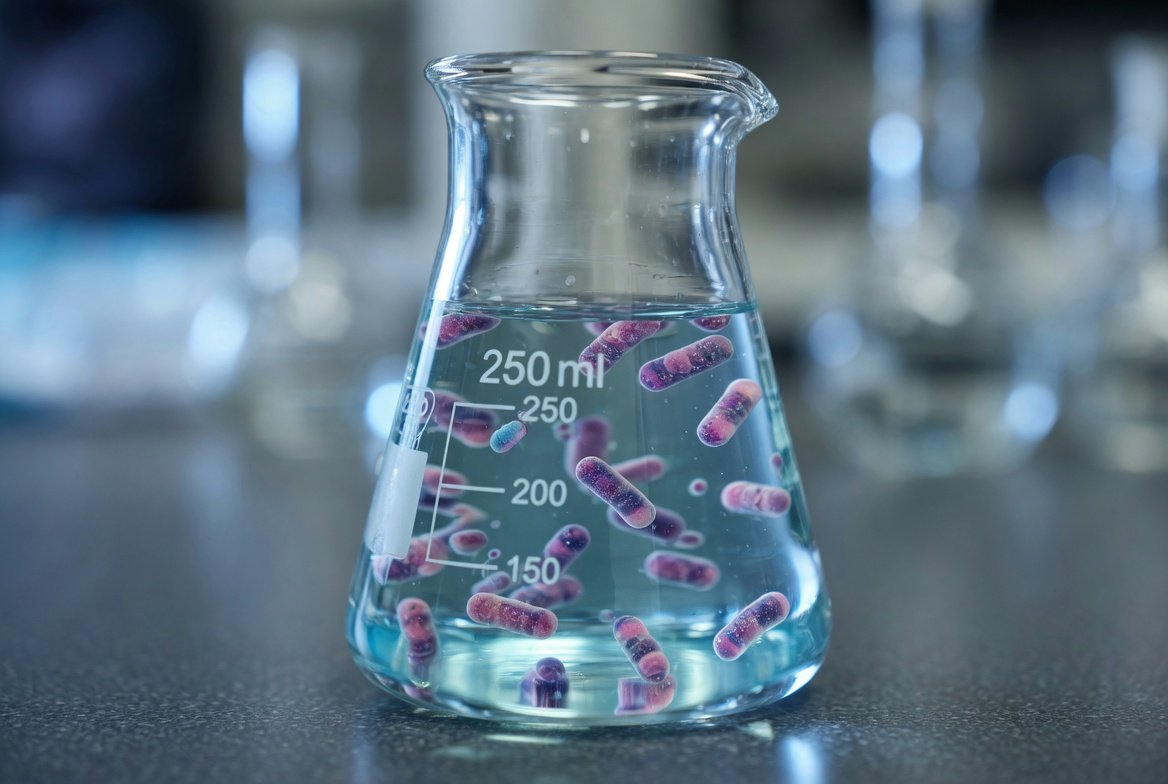
The sulfide-rich solution (HS⁻) flows to an aerated bioreactor. Naturally occurring haloalkaliphilic bacteria (e.g., species of Thioalkalivibrio or Thiobacillus) oxidize the sulfide using controlled oxygen supply:
HS⁻ + ½O₂ → S⁰ + OH⁻
This regenerates the alkaline solution for reuse while producing elemental sulfur particles. The bacteria produce an enzyme that coats the sulfur, making it hydrophilic and non-sticky—unlike sulfur from chemical processes. Redox (ORP) control ensures ~95% selectivity toward elemental sulfur rather than sulfate.
3. Sulfur Separation
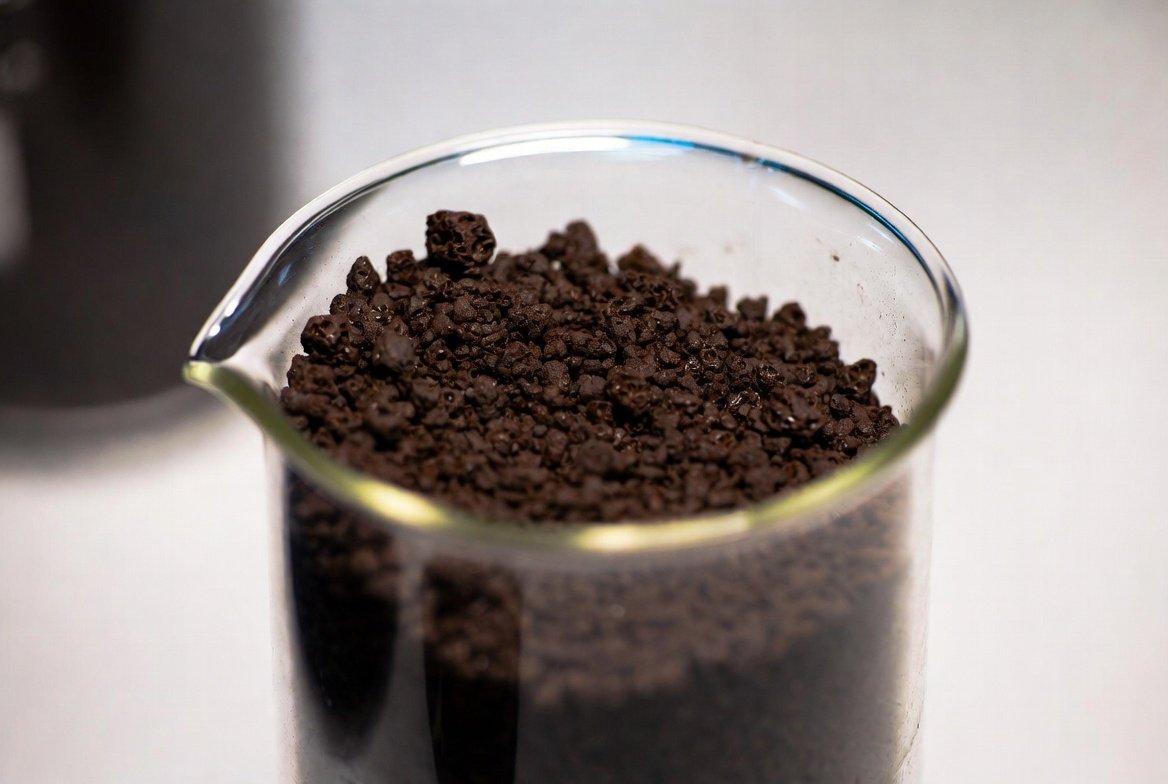
A portion of the bioreactor slurry is routed to a settler, centrifuge, or filter where biosulfur is separated as a cake (60-65% dry solids). The clarified liquid returns to the absorber. The biosulfur can be used as fertilizer, fungicide, or in other agricultural applications due to its high purity and bioavailability.
Benefits of THIOPAQ Compared to Other Technologies
THIOPAQ stands out against alternatives like amine scrubbing + Claus process, liquid redox (e.g., LO-CAT, Sulferox), caustic scrubbing, and direct air injection for biogas.
-
- High Efficiency and Deep Removal: Routinely achieves <25 ppm H₂S, with capabilities down to single-digit ppm. Amine systems may require additional polishing, and Claus needs high H₂S concentrations for viability.
-
- Low Operating Costs: Biological regeneration recycles ~90-95% of the caustic, minimizing chemical consumption. OPEX is often lower than liquid redox or continuous caustic scrubbing.
-
- Environmental Advantages: Produces usable biosulfur instead of hazardous waste or SO₂ emissions. No toxic chelating agents (unlike some redox processes). Operates at ambient temperature and pressure, reducing energy use.
-
- No Gas Dilution: Unlike air/oxygen injection in biogas, THIOPAQ does not add O₂/N₂ to the treated gas, preserving calorific value for CHP or upgrading.
-
- Flexibility: Handles wide turndown ratios, variable H₂S loads (100 ppm to 100% vol), and gas flows from 50 Nm³/h to over 50,000 Nm³/h. Ideal for biogas plants with fluctuating production.
-
- Safety and Simplicity: Fewer equipment pieces, lower pressure/temperature, reduced instrumentation compared to Claus (which involves high-temp combustion and multiple catalytic stages).
For small-to-medium sulfur loads (up to ~50 t/d), THIOPAQ often shows better economics than Claus-based systems. Capital costs can be competitive or lower for certain pressure/flow scenarios.
Drawbacks and Limitations
While innovative, THIOPAQ has constraints:
-
- Scale Limitations: Best suited for lower-to-medium sulfur capacities. For very high loads (>50-100 t/d sulfur), Claus or hybrid systems may be more economical due to economies of scale.
-
- Biological Sensitivity: Performance depends on maintaining healthy bacterial cultures. Upsets in pH, temperature, oxygen, or toxins (e.g., heavy metals, high BTEX) can affect efficiency, requiring careful monitoring.
-
- Byproducts: Some sulfate and thiosulfate formation occurs; excess salts may need blowdown and disposal. Biomass sludge requires management.
-
- Startup Time: Biological systems take time (days to weeks) to establish robust cultures, unlike instant chemical processes.
-
- Footprint and Initial Cost: Bioreactors can be large for high flows. CAPEX may be higher than simple caustic scrubbers in some low-load cases.
-
- Pressure Handling: While adaptable, very high-pressure streams may need specific design considerations.
Factors Affecting Performance
Several variables influence THIOPAQ efficiency:
-
- Redox Control (ORP): Critical for sulfur vs. sulfate selectivity. Too much oxygen favors sulfate; too little leaves residual sulfide.
-
- pH and Alkalinity: Maintained at 8-9. CO₂ absorption consumes alkalinity, requiring NaOH makeup.
-
- Temperature: Optimal 30-40°C. Extremes slow bacterial activity.
-
- Gas Composition: High CO₂, mercaptans, or hydrocarbons can impact absorption or bacteria. Pre-treatment may be needed for high BTEX.
-
- Hydraulic and Gas Loading: Overloading the absorber reduces contact time and efficiency.
-
- Nutrient Supply: Bacteria need trace nutrients; deficiencies reduce activity.
-
- Sulfur Particle Management: Proper separation prevents accumulation in the loop.
Ideal Flow Rates and Operating Conditions
THIOPAQ is highly scalable:
-
- Gas Flow: 50–50,000+ Nm³/h for biogas; up to hundreds of thousands Sm³/day in O&G applications.
-
- H₂S Inlet: 100 ppmv to nearly 100 vol%. No strict minimum or maximum.
-
- Pressure: Atmospheric to 80 bar(g), with absorber design adjusted accordingly. Bioreactor typically near atmospheric.
-
- Temperature: 20–40°C (ideally 30–37°C). Ambient operation possible in many climates.
-
- pH: 8.0–9.0 in absorber and bioreactor.
-
- Oxygen Supply: Stoichiometric control (~0.5 mol O₂ per mol H₂S for sulfur). Air blowers with variable speed for redox optimization.
-
- Sulfur Load: 10 kg/day to 50 t/day per unit. Multiple trains for larger capacities.
PLC systems monitor pH, ORP, conductivity, temperature, and levels, automatically adjusting air, caustic, and nutrient dosing for stability. Wide turndown (e.g., 20-100% load) is a key strength.
Applications and Case Studies
THIOPAQ is widely used in wastewater treatment (biogas from digesters), landfills, agriculture, food processing, and oil & gas (flare gas, produced gas). Over 250 biogas installations and 20+ O&G units demonstrate reliability. In one Canadian case, it reduced 1,200–1,300 ppm H₂S to <25 ppm with significant caustic savings.
Conclusion: A Sustainable Choice for H2S Management
The THIOPAQ system exemplifies how biology and chemistry can solve industrial challenges efficiently. Its ability to achieve deep H₂S removal while producing a valuable byproduct, all at low OPEX and with minimal environmental impact, makes it attractive for operators seeking sustainability. While not universal for every scale or gas type, proper design and operation deliver outstanding performance.
For facilities dealing with variable biogas or moderate sour gas streams, THIOPAQ often provides the best balance of cost, reliability, and eco-friendliness compared to traditional chemical or thermal alternatives. As regulations tighten on emissions and waste, biological solutions like this are poised to grow in importance.