Article Content
Bubble column reactors (BCRs) and scrubbers represent one of the most versatile and cost-effective technologies for hydrogen sulfide (H₂S) removal across oil and gas, biogas, wastewater, and industrial applications. Their simple construction, high mass transfer efficiency, and ability to handle variable gas flows make them a preferred choice for many operators seeking reliable sour gas treatment. However, achieving optimal performance requires careful attention to fluid dynamics, chemistry, and operational parameters. This article provides a detailed, unbiased technical overview of bubble column optimization for H₂S removal, drawing on fundamental chemical engineering principles, practical design considerations, and proven enhancement strategies. It aims to equip engineers and operators with actionable insights for improving efficiency, reducing costs, and ensuring long-term reliability.
Fundamentals of Bubble Column Operation in H₂S Scavenging
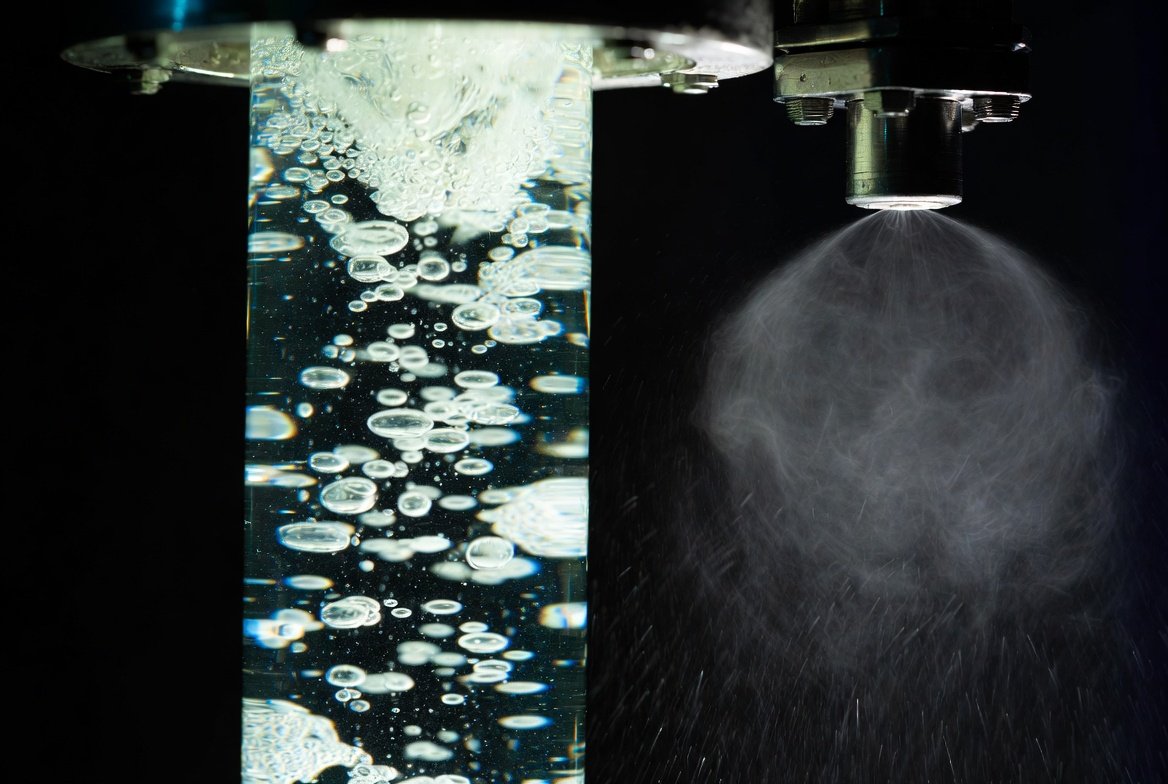
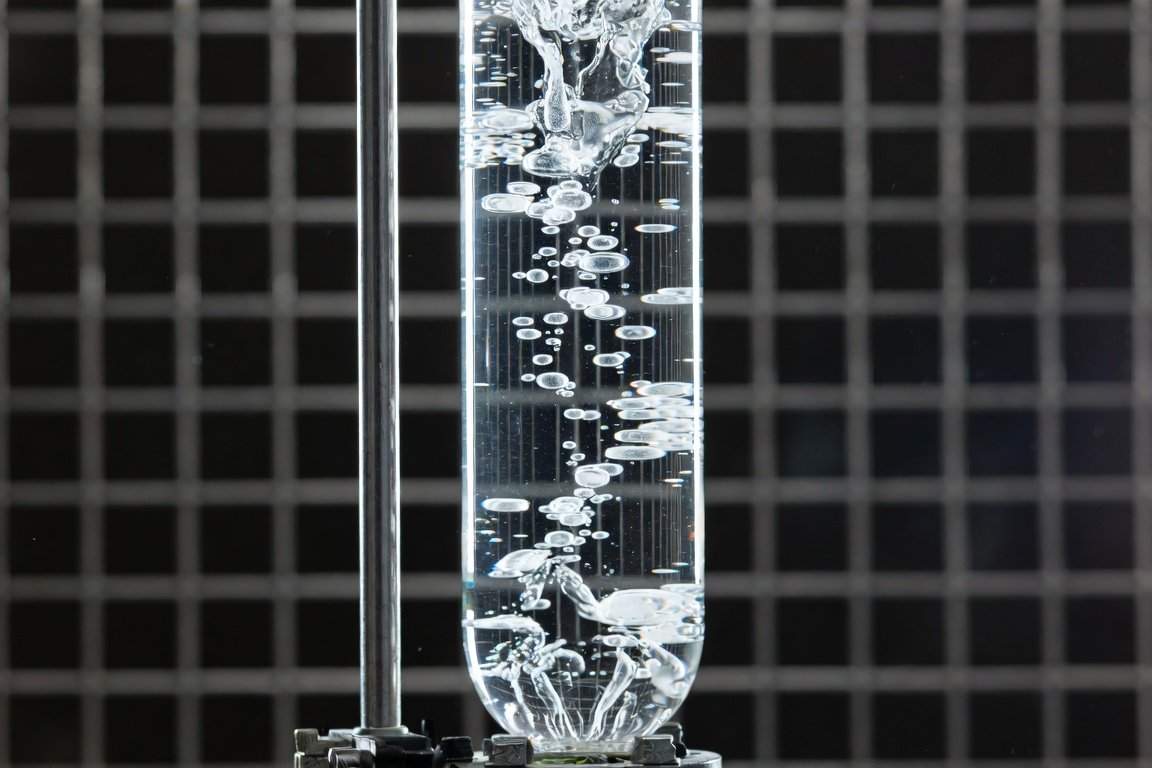
Bubble columns function by dispersing gas into a liquid phase through spargers or nozzles at the base of a vertical vessel. Gas bubbles rise through the liquid, facilitating intimate contact that promotes absorption and chemical reaction with H₂S scavengers or absorbents. In H₂S applications, common liquid phases include aqueous triazine solutions, caustic (NaOH/KOH), iron-based formulations, or specialized proprietary blends.
Key performance metrics include:
- Removal Efficiency: Typically 70-95%+ depending on design and chemistry.
- Scavenger Utilization: Percentage of active ingredient that reacts with H₂S (target >70% to minimize costs).
- Pressure Drop: Critical for upstream operations.
- Liquid Holdup and Gas Holdup: Influence residence time and mass transfer.
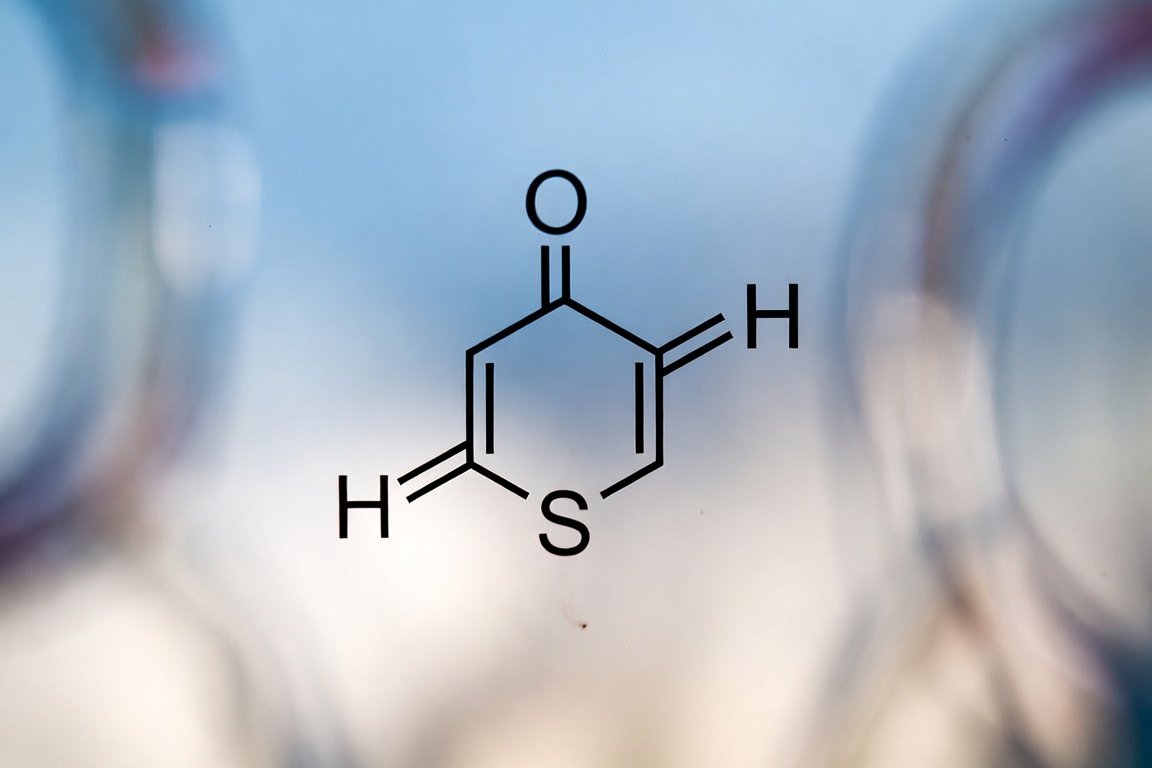
The process combines physical dissolution of H₂S into the liquid with rapid chemical reaction, often forming stable byproducts like dithiazines (from triazines) or iron sulfides. Hydrodynamics play a central role: homogeneous bubbly flow at low velocities transitions to churn-turbulent or slug flow at higher rates, affecting interfacial area and back-mixing.
Critical Design Parameters for Effective H₂S Removal
Successful bubble column design starts with a thorough characterization of the inlet gas (flow rate, H₂S concentration, pressure, temperature, contaminants) and desired outlet specifications.
1. Vessel Geometry and Sizing
Height-to-diameter (H/D) ratio typically ranges from 3:1 to 10:1 or higher for deep absorption. Taller columns increase residence time but raise hydrostatic pressure and construction costs. Diameter influences superficial gas velocity (Ug), ideally kept in the homogeneous regime (Ug < 0.05-0.1 m/s) to maximize bubble surface area.
Standard sizing calculations use correlations for gas holdup (εg ≈ 0.2-0.4) and mass transfer coefficient (kLa). For example, the Akita-Yoshida correlation or modified forms for reactive systems help predict performance. Software tools incorporating CFD or empirical models accelerate iterative design.
2. Gas Sparger and Distributor Design
Sparger type (perforated plate, ring, porous, or atomizing nozzles) dramatically impacts bubble size distribution and uniformity. Smaller bubbles (2-8 mm) provide higher interfacial area but increase coalescence risk in viscous or contaminated liquids. Atomizing or multi-point injection systems can achieve superior dispersion and higher utilization rates, especially in high-H₂S streams.
3. Liquid Phase Selection and Chemistry
Chemical compatibility is paramount. Triazine-based scavengers offer fast kinetics but can form solids that foul the column. Iron oxide or hybrid formulations may require pH control and solids management strategies. Non-nitrogen options help avoid downstream contamination in sensitive processes like LNG or refineries.
Operational Challenges and Mitigation Strategies
Common issues in bubble columns for H₂S service include foaming, solids formation, channeling, and reduced efficiency over time.
Foaming Control
Amine or surfactant-like reaction byproducts can stabilize foam. Solutions include antifoam injection, optimized liquid recirculation, or internal baffles. Monitoring with level sensors and differential pressure transmitters enables early detection.
Solids Management
Precipitation of iron sulfides or dithiazines can lead to plugging. Design features such as bottom cone outlets, side draw-offs, or periodic blowdown, combined with upstream filtration or compatible chemistries, minimize accumulation. Regular cleaning protocols and online monitoring of slurry density are recommended.
Mass Transfer Optimization
Enhance kLa through increased turbulence (via internal packing or staged designs), optimal superficial velocities, and temperature control (reaction rates generally increase with temperature up to a point). Counter-current liquid flow or multi-stage columns can push efficiencies closer to 99% for stringent specifications.
Advanced Modeling and Simulation Techniques
Modern optimization relies heavily on process simulation. Tools like Aspen HYSYS, custom Python/MATLAB models, or CFD software (ANSYS Fluent, COMSOL) allow prediction of hydrodynamics, reaction kinetics, and scale-up effects. Key inputs include reaction rate constants, Henry’s law constants for H₂S solubility, and empirical correlations adjusted for specific chemistries.
Population balance modeling for bubble size distribution and axial dispersion models help refine predictions. Sensitivity analysis on parameters like gas flow turndown (common in field operations) ensures robust performance across operating envelopes.
Recent advances incorporate machine learning for real-time optimization, using sensor data (H₂S analyzers, flow meters, pH, temperature) to dynamically adjust chemical dosing or recirculation rates.
Performance Monitoring, Troubleshooting, and Maintenance
Implement comprehensive instrumentation: inlet/outlet H₂S analyzers (e.g., UV or electrochemical), pressure transmitters, temperature probes, and liquid level controls. Trend analysis reveals degradation early.
Troubleshooting checklist:
- Low efficiency: Check sparger plugging, insufficient liquid height, or depleted scavenger.
- High pressure drop: Solids buildup or foaming.
- Excessive chemical consumption: Poor dispersion or side reactions.
Preventive maintenance includes periodic internal inspections, sparger cleaning or replacement, and liquid chemistry sampling. Modular skid designs facilitate faster turnaround and scalability.
Case Studies and Economic Considerations
In field applications, optimized bubble columns have achieved 80-90% scavenger utilization versus 40-60% in poorly designed direct injection systems, translating to substantial OPEX savings (often 20-40% lower $/kg H₂S removed). For a typical midstream installation handling 10 MMscfd with 500 ppm H₂S, proper design can reduce annual chemical costs by tens of thousands of dollars while meeting pipeline specs.
Hybrid approaches—bubble columns for bulk removal followed by polishing (e.g., fixed-bed adsorbents or membranes)—offer flexibility for varying inlet conditions. Lifecycle cost analysis should factor in CAPEX, chemical/media replacement, energy for pumps/compressors, downtime, and disposal of spent materials.
Emerging Trends and Future Directions
Current innovations focus on:
- Advanced sparger technologies and 3D-printed internals for uniform flow.
- Smart columns with embedded sensors and automated controls.
- Integration with biological or hybrid redox systems for lower chemical dependency.
- Sustainable designs emphasizing recyclable materials and byproduct valorization (e.g., converting sulfides to agricultural sulfur or pigments).
As regulations tighten and operators pursue lower emissions, bubble column technology continues to evolve through better materials (corrosion-resistant alloys, advanced coatings) and digital twins for predictive maintenance.
Conclusion
Bubble column scrubbers, when properly optimized, deliver exceptional value in H₂S removal applications through high efficiency, operational simplicity, and adaptability. Success hinges on integrating sound hydrodynamic principles with application-specific chemistry and robust monitoring. Engineers should prioritize detailed front-end engineering design (FEED), pilot testing where feasible, and ongoing performance optimization. By focusing on these aspects, facilities can achieve safer operations, lower treatment costs, reduced environmental impact, and greater system reliability—key factors in today’s competitive energy and industrial landscape.
Implementing the strategies outlined here can transform H₂S management from a routine expense into a strategically optimized process, supporting both compliance and profitability goals.