
Article Content
This article provides a comprehensive, unbiased overview of the unique challenges associated with H2S management on offshore facilities and examines established and emerging solutions. Drawing from engineering principles, industry practices, and technical considerations, it aims to inform operators, engineers, and stakeholders about practical approaches without endorsing specific commercial offerings.
The Nature and Sources of H₂S in Offshore Operations
H₂S is a colorless, flammable gas with a characteristic rotten egg odor at low concentrations. It is highly toxic, corrosive, and denser than air, making it particularly hazardous in confined spaces common on platforms. In offshore environments, H₂S originates primarily from reservoir fluids in sour fields, where sulfate-reducing bacteria (SRB) or thermochemical sulfate reduction (TSR) processes generate it over geological time.
Produced water, crude oil, and associated natural gas can all carry significant H₂S loads. Concentrations vary widely, from a few ppm in mildly sour streams to several percent in highly sour reservoirs. As fields mature or new deepwater developments target more challenging reservoirs, operators increasingly encounter higher H₂S levels, complicating processing and export.
Offshore-specific factors exacerbate the issue: high pressures and temperatures in subsea wells, multiphase flow in risers and pipelines, and the presence of CO₂ (acid gas) which often co-occurs with H₂S, leading to synergistic corrosion effects.
Key Challenges in Offshore H₂S Removal
Safety and Health Risks
H₂S is lethal at concentrations above 100-500 ppm with short exposure and can cause immediate collapse at higher levels. Offshore platforms have limited evacuation options, making continuous monitoring, personal protective equipment (PPE), and emergency response protocols critical. False alarms or undetected leaks can disrupt operations, while inadequate removal increases exposure risks during maintenance or upsets.
Space and Weight Constraints
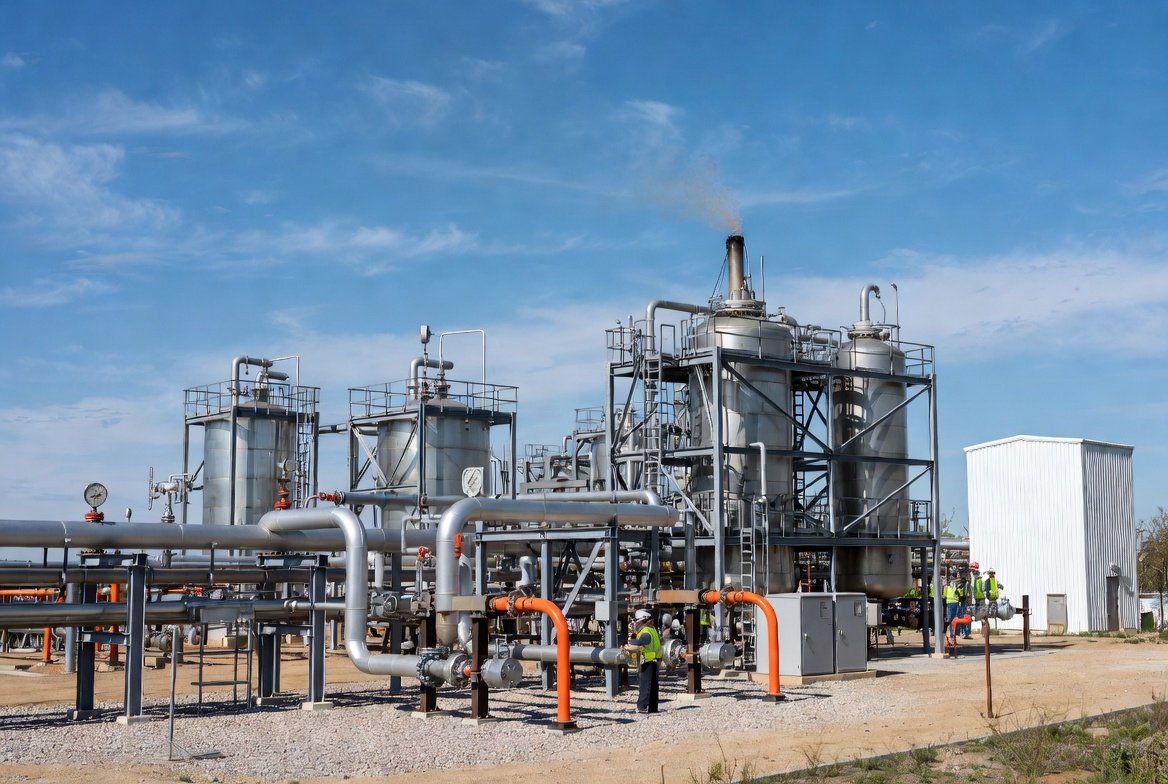
Unlike onshore plants, offshore platforms have severe limitations on footprint, weight, and deck loading. Traditional large-scale amine sweetening units require significant space for absorbers, regenerators, and associated utilities, which may not be feasible on floating production storage and offloading (FPSO) vessels or fixed platforms. Compact solutions are therefore prioritized.
Logistics and Supply Chain Issues
Resupplying chemicals, replacing spent media, or performing maintenance requires marine transport, which is weather-dependent and costly. Storage of hazardous materials onboard adds safety and regulatory burdens. Disposal of spent scavengers or sulfur byproducts must comply with strict maritime environmental rules, such as those from the International Maritime Organization (IMO) or regional bodies like CEFAS in the North Sea.
Corrosion and Asset Integrity
H₂S causes sulfide stress cracking (SSC), hydrogen-induced cracking (HIC), and general corrosion in carbon steel infrastructure. In offshore settings, this affects pipelines, risers, wellheads, and processing equipment exposed to saline environments. Material selection (e.g., corrosion-resistant alloys) becomes expensive, and downtime for repairs is prohibitively costly.
Regulatory and Environmental Compliance
Offshore operations face stringent regulations on emissions, flaring, and discharges. Pipeline gas must typically meet specs like less than 4 ppm H₂S, while produced water and atmospheric emissions have limits. Non-compliance can result in fines, shutdowns, or reputational damage. As energy transition pressures mount, operators must also consider how H₂S management aligns with broader decarbonization goals.
Variable Operating Conditions
Offshore production often involves fluctuating flow rates, changing reservoir compositions, and multiphase streams, demanding flexible removal technologies that perform reliably under varying conditions.
Established H₂S Removal Technologies for Offshore Applications
Liquid Chemical Scavengers
Direct injection of liquid scavengers, such as triazine-based or non-triazine formulations, is popular for low-to-moderate H₂S concentrations. These react irreversibly with H₂S to form non-volatile compounds. Advantages include simplicity, rapid deployment, and minimal equipment needs—ideal for wellhead or pipeline injection on platforms.
Challenges include stoichiometric consumption leading to higher operating costs at elevated H₂S levels, potential for solids formation or emulsions, and disposal logistics. Atomization and contact efficiency are key to performance, often requiring specialized injection nozzles.
Solid Adsorbents and Iron-Based Media
Iron oxide or hydroxide-based beds (e.g., iron sponge technology) offer a regenerable or disposable option for continuous removal. These are compact and effective for certain flows. They work via chemisorption, converting H₂S to iron sulfides. Limitations include bed saturation, pressure drop increases, and the need for periodic replacement, which can be logistically challenging offshore.
Membrane Separation
Membrane systems provide a non-chemical, modular approach suitable for bulk removal of H₂S and CO₂. Hollow-fiber or spiral-wound modules separate gases based on permeability differences. They excel in space-constrained environments and offer low maintenance with no solvent regeneration. Hybrid configurations combining membranes with polishing steps can achieve stringent specs.
Considerations include pretreatment to prevent fouling, methane slip in permeate streams, and capital costs for high-pressure applications.
Liquid Redox Processes
Technologies like LO-CAT or similar iron-chelate systems oxidize H₂S to elemental sulfur in a liquid phase, allowing regeneration and sulfur recovery. These are suitable for medium sulfur loads and provide high removal efficiency with relatively compact footprints compared to amines. Offshore deployments benefit from reduced chemical handling.
Amine Absorption (with Adaptations)
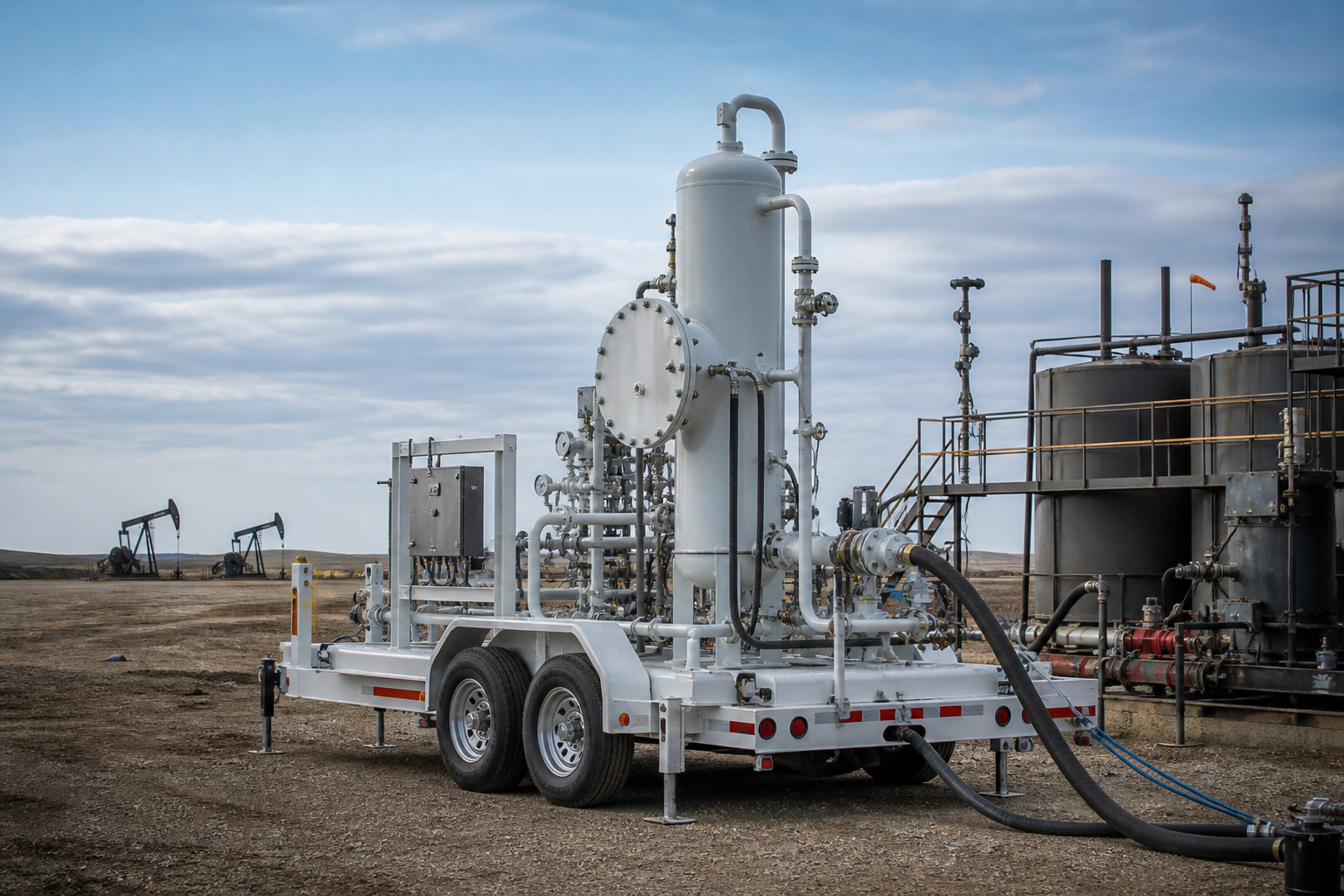
While footprint-heavy, selective or hybrid amine systems are used on larger platforms or FPSOs where infrastructure supports it. MDEA or formulated amines can target H₂S over CO₂. Offshore adaptations focus on modular, skid-mounted designs and energy-efficient regeneration.
Emerging and Hybrid Approaches
Industry innovation focuses on hybrids that leverage strengths of multiple technologies. For example, membranes for bulk removal followed by scavenger polishing, or biological processes adapted for offshore use where feasible. Nanotechnology-enhanced adsorbents promise higher capacity and selectivity, while advanced monitoring with real-time sensors improves control and predictive maintenance.
Subsea processing developments may shift some H₂S treatment closer to the seabed, reducing topside burdens, though this introduces new material and reliability challenges.
Best Practices for Offshore H₂S Management
- Comprehensive Feed Characterization: Detailed analysis of gas composition, pressure, temperature, and contaminants is foundational for technology selection.
- Risk-Based Design: Incorporate HAZOP studies, safety instrumented systems (SIS), and H₂S mapping across the facility.
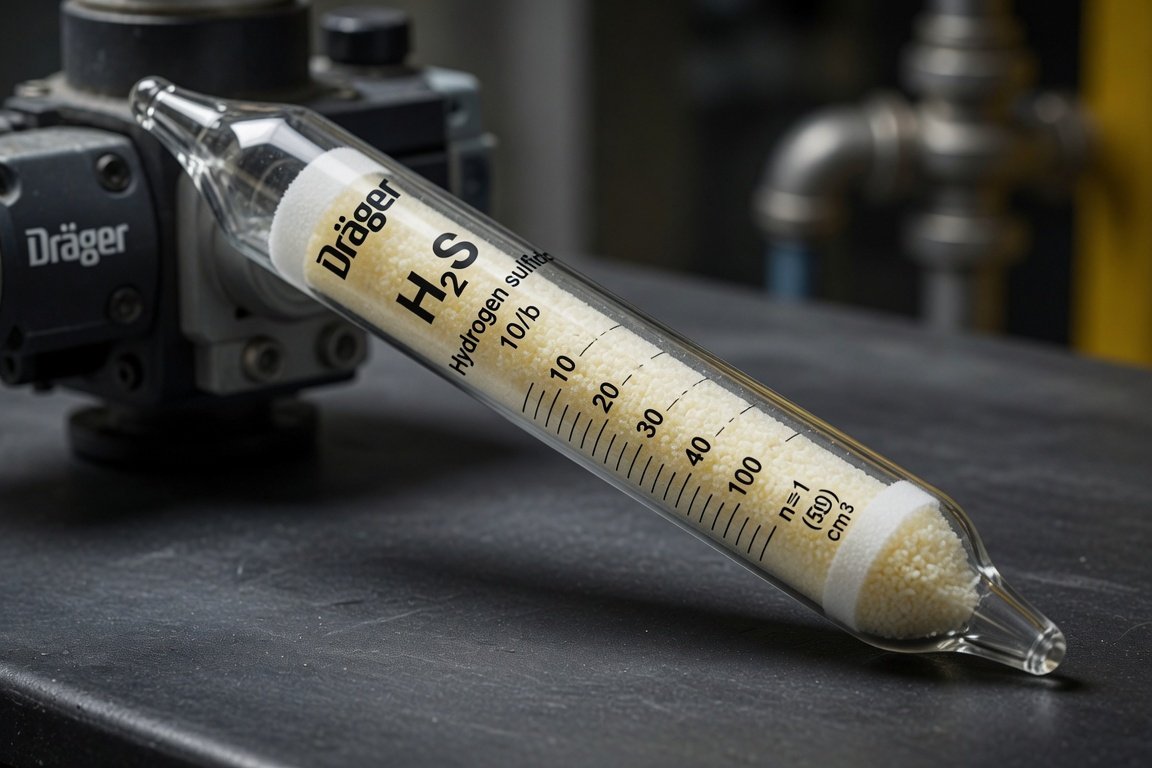
- Monitoring and Control: Deploy continuous H₂S analyzers, SCADA integration, and predictive analytics for early detection.
- Material Selection and Corrosion Management: Use NACE MR0175/ISO 15156 compliant materials and implement inhibitor programs where appropriate.
- Modular and Flexible Systems: Prioritize technologies that allow phased installation and easy expansion or relocation.
- Logistics Planning: Optimize chemical dosing, media change-out schedules, and waste handling with marine supply chains in mind.
- Training and Emergency Preparedness: Regular drills, H₂S awareness programs, and breathing apparatus availability are non-negotiable.
- Techno-Economic Evaluation: Conduct lifecycle cost analyses (LCCA) considering CAPEX, OPEX, downtime, disposal, and regulatory risks.
Environmental and Sustainability Considerations
Effective H₂S removal contributes to lower SO₂ emissions upon combustion or flaring and supports sour gas reinjection for enhanced recovery or carbon storage synergies. Operators are increasingly evaluating technologies based on carbon footprint, chemical toxicity, and circular economy principles, such as sulfur byproduct valorization.
In the context of energy transition, H₂S management enables safer development of marginal fields and supports biogas or hydrogen-related offshore initiatives.
Case Study Insights from Industry
While specific proprietary details vary, general examples illustrate success: Compact scavenger systems on North Sea platforms have enabled compliance with tight specs in space-limited environments. Membrane installations in Southeast Asia have reduced footprint and chemical use for FPSOs. Redox units have demonstrated reliable sulfur recovery in Gulf of Mexico operations. These highlight the importance of site-specific engineering over one-size-fits-all solutions.
Future Outlook
As offshore production moves into deeper waters and more sour reservoirs, digital twins, AI-optimized operations, and advanced materials will play larger roles. Integration with carbon capture, utilization, and storage (CCUS) could transform H₂S handling from a cost center to a value contributor. Regulatory evolution toward net-zero will drive further innovation in low-emission, low-waste technologies.
Success depends on collaboration between operators, service providers, regulators, and researchers to balance safety, economics, and environmental stewardship.
Conclusion
H₂S removal on offshore platforms is a multifaceted challenge requiring integrated technical, operational, and regulatory strategies. By understanding formation mechanisms, deployment constraints, and available technologies—from scavengers and adsorbents to membranes and redox systems—stakeholders can implement robust solutions tailored to specific conditions. Ongoing advancements promise more efficient, sustainable approaches, ensuring the continued safe and responsible development of offshore hydrocarbon resources.
This field continues to evolve rapidly, with new data from operations and research informing better practices. Operators are encouraged to engage in detailed engineering assessments and pilot testing to optimize performance for their unique assets.