Article Content
Produced water is the largest byproduct of oil and gas extraction, often containing significant concentrations of hydrogen sulfide (H₂S). Effective H2S management in produced water treatment is essential for environmental compliance, equipment protection, worker safety, and operational efficiency. This article offers an informative, unbiased examination of the sources, impacts, removal technologies, and best practices for handling H₂S in produced water systems. Drawing from established chemical engineering principles and industry standards, it aims to provide a comprehensive overview without endorsing specific commercial solutions.
What is Produced Water and Why Does It Contain H₂S?
Produced water refers to the water that emerges from oil and gas reservoirs during extraction, typically consisting of formation water, injected water, and hydrocarbons. Globally, the volume of produced water can exceed oil production by a factor of 3 to 10, depending on reservoir maturity and production methods such as waterflooding or enhanced oil recovery (EOR).
H₂S enters produced water through several mechanisms:
- Geological Origins: Thermochemical sulfate reduction (TSR) or biogenic sulfate reduction by microbes in the reservoir generates H₂S dissolved in formation water.
- Operational Factors: Bacterial activity in surface facilities, incomplete scavenging upstream, or contamination during handling can increase levels.
- Reservoir Sourening: In mature fields or during seawater injection, sulfate-reducing bacteria (SRB) proliferate, leading to higher H₂S generation over time.
Concentrations in produced water can range from a few ppm to several hundred ppm or more in sour fields, posing multifaceted challenges for treatment and disposal or reuse.
Environmental, Safety, and Operational Impacts of H₂S in Produced Water
Untreated H₂S in produced water leads to numerous issues:
Environmental Concerns: Discharge or reinjection of H₂S-laden water can release toxic gas, contribute to odor nuisance, and harm aquatic ecosystems. Regulatory bodies impose strict limits on sulfide concentrations in effluents and require monitoring of total dissolved solids (TDS), oil and grease, and other parameters.
Corrosion and Infrastructure Damage: H₂S promotes sulfide stress cracking (SSC), hydrogen-induced cracking (HIC), and general pitting corrosion in pipelines, tanks, and treatment equipment. This is exacerbated in the presence of CO₂ and chlorides, common in produced water.
Safety Risks: As a colorless, flammable gas with a characteristic rotten-egg odor (detectable at low levels but causing olfactory fatigue at higher concentrations), H₂S poses acute toxicity risks. Exposure limits are low (e.g., OSHA PEL of 20 ppm ceiling, NIOSH IDLH at 100 ppm), necessitating robust detection and ventilation.
Operational Challenges: H₂S can interfere with downstream processes like waterflooding (plugging formations), desalination, or reuse for hydraulic fracturing, where water quality specifications are stringent. It also affects the marketability of treated water for beneficial reuse in agriculture or industry.
Key Technologies for H₂S Removal from Produced Water
Selection of removal methods depends on H₂S concentration, water chemistry (pH, salinity, temperature), flow rates, and end-use requirements (disposal, reinjection, or reuse).
Chemical Oxidation and Scavenging
Liquid chemical scavengers, including triazine-based formulations, hydrogen peroxide, sodium hypochlorite, and specialized non-nitrogen or green alternatives, are commonly deployed for dissolved H₂S. These react to form less harmful byproducts such as elemental sulfur, sulfates, or dithiazines. Advantages include rapid reaction rates and ease of injection; however, overdosing can lead to solids formation, increased chemical oxygen demand (COD), or secondary pollution. Optimization involves precise dosing based on real-time monitoring and consideration of pH effects (H₂S speciation shifts with pH).
Air Stripping and Gas Transfer
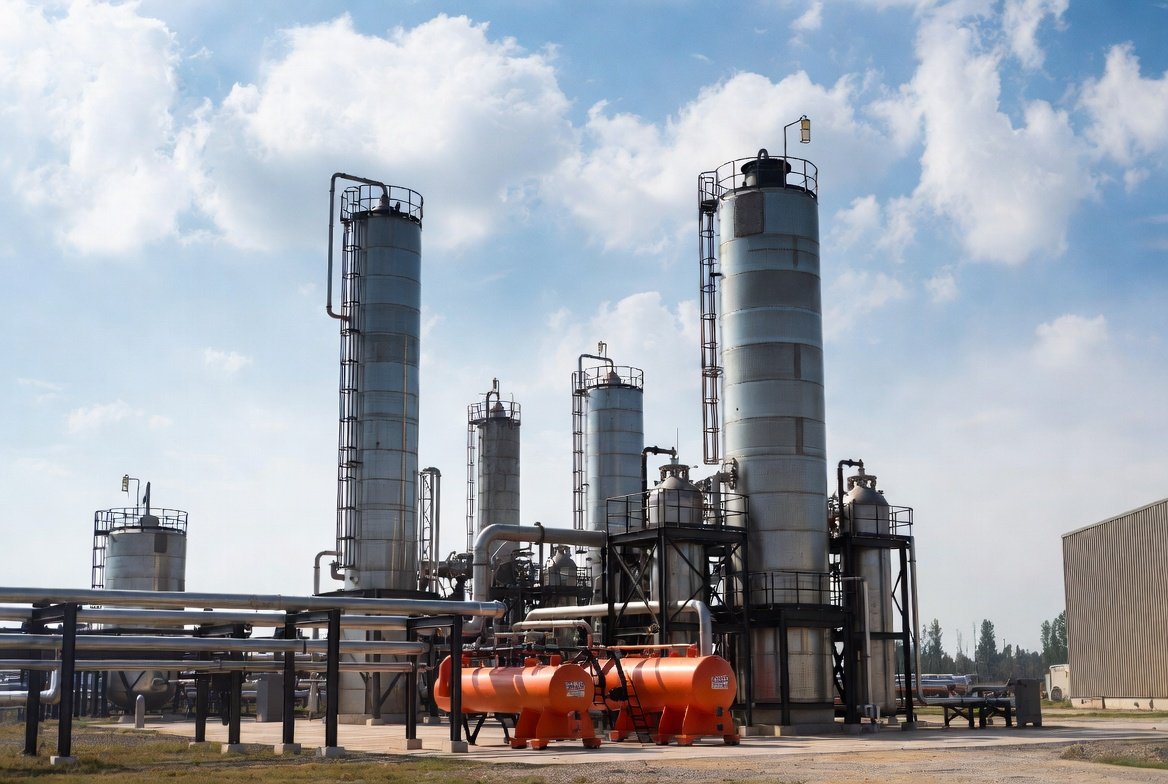
Air or gas stripping in packed towers or diffused aeration systems volatilizes H₂S from the liquid phase into the gas phase for subsequent treatment (e.g., via adsorption or scrubbing). This physical method is effective for moderate concentrations and can be combined with pH adjustment to favor H₂S gas formation. Challenges include the need for downstream gas-phase H₂S control and potential scaling or fouling in towers.
Adsorption and Filtration
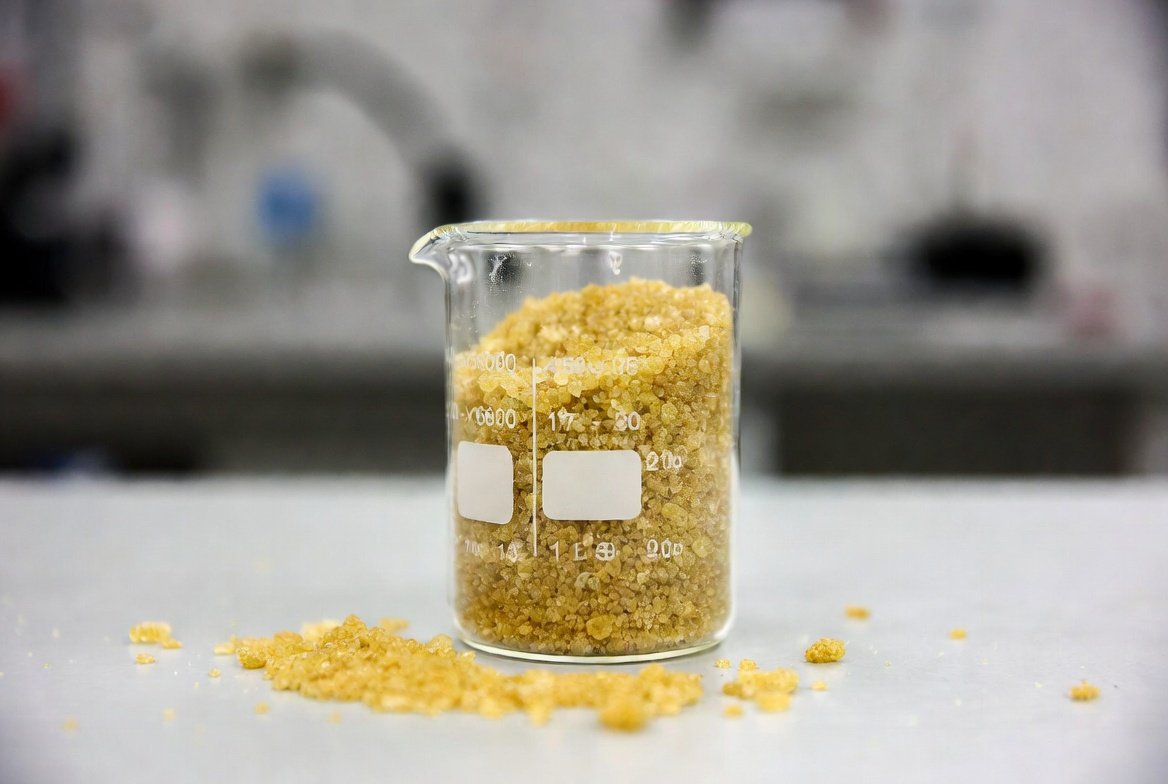
Solid adsorbents such as iron oxide/hydroxide media, activated carbon, or specialized resins provide polishing or primary treatment. Iron-based materials offer high capacity through chemisorption, forming stable iron sulfides. Regenerable options or disposable beds suit varying scales. Media selection must account for competing ions and hydraulic loading rates to prevent channeling or premature breakthrough.
Biological Treatment
Anaerobic or aerobic biological processes leverage sulfate-reducing or sulfur-oxidizing bacteria to convert H₂S. Biotrickling filters or suspended growth systems are gaining interest for their lower chemical usage and potential for biogas integration. Performance depends on nutrient balance, temperature, and hydraulic retention time, with careful management to avoid excessive biomass or odor issues.
Membrane and Advanced Separation
Membrane technologies, including reverse osmosis (RO) or forward osmosis combined with pretreatment, can reject sulfides alongside other contaminants. Electrodialysis or advanced oxidation processes (AOPs) using UV/peroxide or ozone offer emerging options for recalcitrant streams. These are particularly useful for high-TDS waters intended for reuse.
Best Practices for System Design and Operation
Successful H₂S management requires integrated system design:
- Characterization and Monitoring: Regular sampling and online sensors (electrochemical, optical, or colorimetric) for H₂S, pH, ORP, and temperature enable data-driven control. Multiphase considerations are critical as H₂S partitions between water, oil, and gas phases.
- Process Integration: Treat H₂S as early as possible in the separation train (e.g., at the wellhead or three-phase separator) to minimize downstream corrosion. Hybrid systems—chemical injection followed by stripping and polishing—often provide the best balance of cost and performance.
- Corrosion Management: Use compatible materials (e.g., corrosion-resistant alloys, lined vessels) and chemical inhibitors alongside H₂S removal.
- Regulatory Compliance and Reporting: Align with regional standards such as those from the Alberta Energy Regulator (AER), EPA, or local discharge permits. Maintain detailed records of chemical usage, removal efficiency, and emissions.
- Optimization and Troubleshooting: Employ modeling software to simulate scavenger performance, solids formation risks, and economics. Common issues like foaming, emulsion stabilization, or incomplete reactions can be mitigated through proper mixing, residence time, and periodic system audits.
- Sustainability Focus: Prioritize low-toxicity, biodegradable chemistries and explore byproduct valorization (e.g., sulfur recovery or treated water reuse) to reduce environmental footprint.
Field data indicates that well-optimized systems can achieve >95% H₂S removal with significant reductions in OPEX through minimized chemical consumption and extended equipment life.
Economic and Lifecycle Considerations
Treatment costs vary widely—from a few cents to several dollars per barrel—depending on technology, scale, and location. Lifecycle cost analysis (LCCA) should incorporate capital expenditure (CAPEX) for equipment, operational expenditure (OPEX) for chemicals and maintenance, disposal fees, and potential revenue from water reuse or sulfur sales. Factors like remote location logistics in regions such as Alberta’s oil sands or the Permian Basin amplify the importance of reliable, low-maintenance solutions.
Emerging Trends in Produced Water H₂S Management
Innovation is driven by increasing water volumes, stricter regulations, and the push for beneficial reuse amid water scarcity:
- AI and machine learning for predictive dosing and anomaly detection.
- Modular, mobile treatment units for rapid deployment at pad sites.
- Hybrid physico-chemical-biological systems for resilience across variable conditions.
- Focus on zero-liquid discharge (ZLD) configurations where H₂S removal integrates with advanced desalination.
- Research into novel catalysts and nanomaterials for more selective, efficient removal.
These advancements promise to enhance the sustainability of oil and gas operations while supporting the energy transition through responsible water stewardship.
Conclusion
H₂S management in produced water treatment is a complex but manageable aspect of modern oil and gas operations. By understanding the underlying chemistry, deploying appropriate technologies, and adhering to best engineering practices, operators can mitigate risks, ensure compliance, and optimize costs. Continued research and field experience will further refine these approaches, contributing to safer, more environmentally responsible hydrocarbon production. This overview emphasizes evidence-based strategies applicable across diverse operating environments.