Article Content
Sulfur recovery plays a pivotal role in the global energy industry, ensuring safe operations, regulatory compliance, and environmental stewardship. While hydrogen sulfide (H₂S) management often dominates discussions, the downstream recovery of elemental sulfur and the handling of sulfur compounds represent critical engineering challenges and opportunities. This informative article explores the historical development, current practices, and future directions of sulfur recovery technologies, drawing on established chemical engineering principles without favoring specific commercial solutions.
Historical Context: The Birth of the Claus Process
The foundation of modern sulfur recovery traces back to the late 19th century with the invention of the Claus process by Carl Friedrich Claus. Patented in 1883, this thermal process converts H₂S into elemental sulfur through partial oxidation. The basic reaction is straightforward yet elegant:
2H₂S + O₂ → 2S + 2H₂O (exothermic partial oxidation)
Followed by the catalytic step:
2H₂S + SO₂ → 3S + 2H₂O
Early implementations achieved modest recovery rates of 60-70%, but modifications over decades— including multiple catalytic stages, better catalysts (alumina and titania), and tail gas treating units (TGTUs)—have pushed efficiencies above 99% in modern facilities. The Claus process remains the workhorse for high-volume acid gas streams in natural gas processing, refineries, and upstream operations.
Why Sulfur Recovery Matters Today
Beyond H₂S toxicity and corrosion, sulfur recovery addresses several key imperatives:
- Environmental Protection: Unrecovered sulfur compounds contribute to SO₂ emissions, acid rain, and air quality degradation. Stringent regulations worldwide, such as those limiting sulfur in fuels and emissions, drive the need for high-recovery systems.
- Resource Efficiency: Elemental sulfur is a valuable commodity used in fertilizers (sulfuric acid production), rubber vulcanization, pharmaceuticals, and construction materials. Recovering it turns a waste stream into a revenue source.
- Operational Economics: Efficient recovery reduces disposal costs, minimizes flaring, and optimizes overall plant performance.
- Energy Transition Alignment: As industries move toward lower-carbon operations, integrated sulfur management supports cleaner production pathways, including blue hydrogen and biogas upgrading.
In regions with sour reservoirs, such as parts of the Middle East, Canada, and the US Permian Basin, sulfur recovery units (SRUs) are integral to field development and midstream infrastructure.
Core Technologies in Sulfur Recovery
The Modified Claus Process and Variants
Modern Claus plants feature a thermal stage (reaction furnace operating at 1000-1200°C) followed by 2-4 catalytic converters with sulfur condensers. Key improvements include:
- High-pressure designs for better heat integration.
- Selective oxidation catalysts to handle varying H₂S/CO₂ ratios.
- Sub-dewpoint processes like CBA (Cold Bed Adsorption) for tail gas polishing.
These achieve 95-98% recovery in the main unit, with TGTUs (e.g., amine-based or redox) pushing total recovery to 99.5-99.9%.
Liquid Redox Processes
For smaller streams or direct treatment of low-pressure gases, liquid redox technologies (e.g., iron-chelate or vanadium-based systems) offer flexibility. H₂S is absorbed and oxidized to sulfur in an aqueous solution, which is then regenerated with air. Sulfur is separated as a slurry or cake. These systems excel in applications with variable flow rates and lower capital investment compared to thermal Claus units.
Biological Sulfur Recovery
Emerging biological methods use sulfur-oxidizing bacteria in bioreactors or biotrickling filters to convert H₂S to elemental sulfur under mild conditions. Processes like THIOPAQ demonstrate commercial success in biogas and some industrial off-gas streams. Benefits include lower energy use, reduced chemical consumption, and production of high-purity bio-sulfur suitable for agricultural applications. Limitations involve larger footprints and sensitivity to contaminants.
Emerging and Hybrid Approaches
Innovations aim to address Claus limitations in low-H₂S or CO₂-rich streams:
- Membrane Separation: Selective membranes for H₂S enrichment prior to recovery.
- Direct Oxidation: Catalytic or non-catalytic processes converting H₂S directly to sulfur or SO₂.
- Electrochemical Methods: Emerging research into electrolysis for simultaneous H₂ production and sulfur recovery.
- Plasma or Microwave-Assisted Conversion: For niche, high-efficiency applications.
- Integrated CCS and Sulfur Systems: Combining acid gas injection with selective sulfur recovery to support carbon capture initiatives.
These technologies are particularly relevant as energy producers tackle increasingly sour feeds and tighter emission standards.
Technical Challenges and Engineering Considerations
Sulfur recovery is not without hurdles:
- Deactivation and Fouling: Catalyst poisoning by hydrocarbons, BTEX, or ammonia requires robust pretreatment.
- Corrosion Management: Acidic condensates demand specialized materials (e.g., stainless steels, alloys).
- Startup and Turndown: Plants must handle variable production rates common in upstream operations.
- Byproduct Handling: Managing ammonium salts, spent catalysts, and sulfur degassing to meet product specifications.
- Energy Efficiency: Balancing the exothermic nature of reactions with overall plant heat integration.
Advanced process simulation tools, real-time monitoring with online analyzers, and predictive maintenance using digital twins help operators optimize performance and reduce unplanned downtime.
Environmental and Regulatory Landscape
Global standards continue to evolve. In North America, regulations emphasize low sulfur emissions and best available control technology (BACT). In Europe and Asia, similar frameworks push for near-zero emissions. Sulfur recovery contributes to circular economy goals by supplying domestic sulfur, reducing reliance on mined or imported sources.
Life-cycle assessments increasingly favor systems with high recovery rates and minimal secondary wastes, influencing project approvals and financing.
Case Studies in Practice
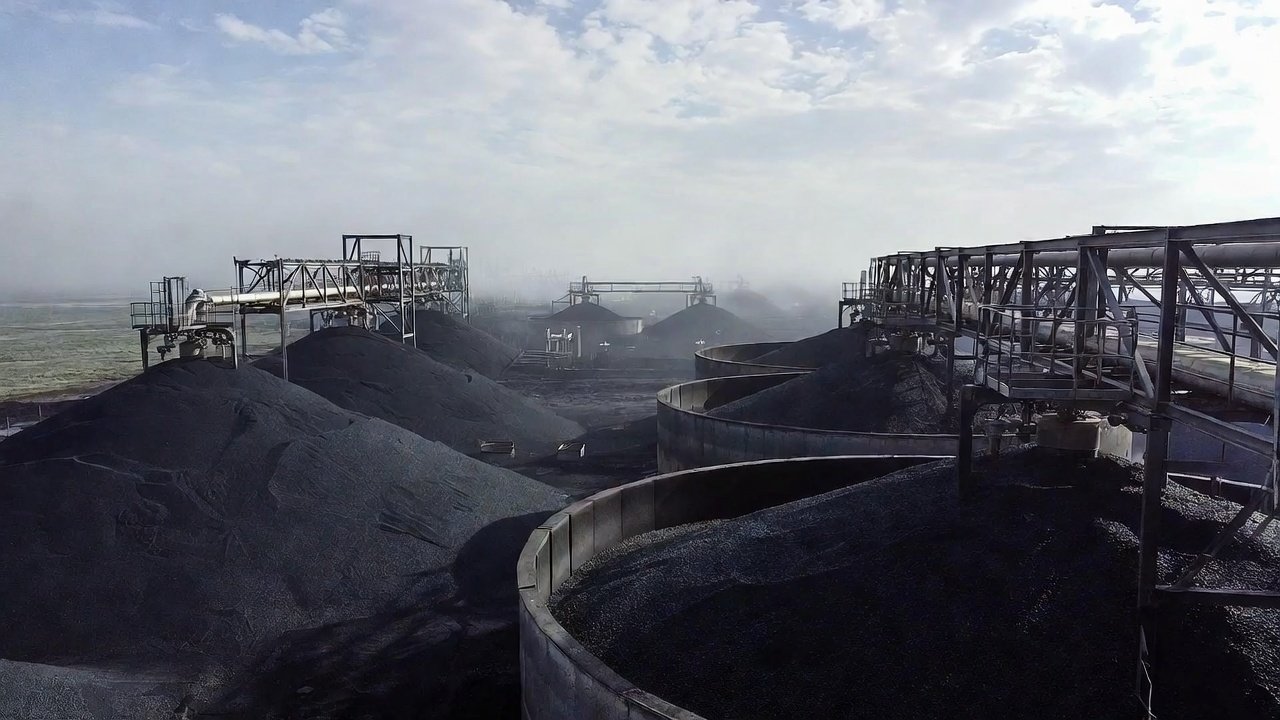
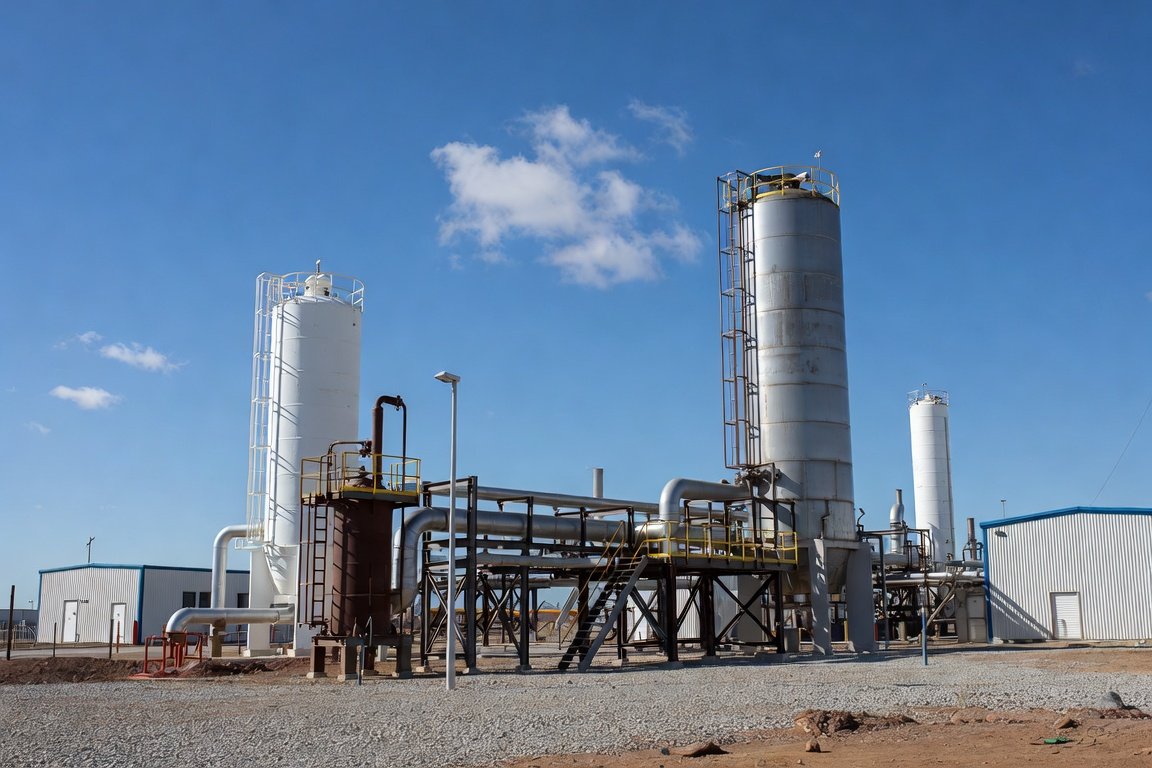
World-scale Claus SRUs in Middle Eastern gas plants process thousands of tons of sulfur daily, often co-located with fertilizer complexes. In Alberta’s oil sands, integrated facilities manage sulfur from SAGD and upgrading operations. Biogas plants in Europe demonstrate successful biological recovery at smaller scales. These examples highlight how tailored solutions—considering gas composition, scale, and local infrastructure—deliver reliable results.
Future Outlook: Sustainability and Innovation
The energy transition is reshaping sulfur recovery:
- Greater integration with hydrogen production (e.g., from sour gas or electrolysis with sulfur handling).
- Carbon-neutral operations through renewable energy for SRU utilities.
- Advanced materials and catalysts for higher selectivity and longevity.
- AI-driven optimization for dynamic reservoir conditions.
- Valorization of sulfur into high-value products like lithium-sulfur batteries or advanced polymers.
As geothermal, biogas, and unconventional resources grow, sulfur management technologies will evolve to support diversified energy portfolios while minimizing environmental footprints.
Conclusion
Sulfur recovery technologies have advanced significantly from the original Claus process to a suite of thermal, chemical, biological, and hybrid solutions. Effective implementation requires deep understanding of gas chemistry, process engineering, and site-specific factors. By prioritizing efficiency, innovation, and sustainability, the energy sector can transform sulfur from a challenging byproduct into a managed resource that supports both operational excellence and environmental goals. Continued collaboration between operators, engineers, and researchers will be key to addressing future challenges in an increasingly complex energy landscape.