
Article Content
This article provides a comprehensive, unbiased overview of H₂S management in petrochemical operations. It explores sources of H₂S, associated risks, established and emerging removal technologies, key challenges, and proven best practices based on industry standards and engineering principles. The focus remains on technical and operational insights to support informed decision-making.
Sources of H₂S in Petrochemical Processes
In petrochemical facilities, H₂S originates from multiple sources. Crude oil and natural gas liquids (NGLs) often contain inherent sulfur compounds that release H₂S during processing. Hydrodesulfurization (HDS) units, essential for producing low-sulfur fuels and feedstocks, generate substantial volumes of H₂S as organic sulfur is converted. Other processes like catalytic cracking, coking, and reforming also contribute.
Sour water strippers in wastewater treatment systems produce H₂S-rich overhead vapors. In ethylene crackers and aromatics plants, sulfur from feedstocks or additives can lead to H₂S formation. Concentrations vary widely—from low ppm levels in fuel gas to high percentages in acid gas streams—requiring tailored treatment strategies.
Understanding site-specific sources is fundamental. Feedstock variability, especially with heavier or higher-sulfur crudes, increases H₂S loads and complicates management. Process integration means H₂S issues in one unit can affect others, emphasizing the need for holistic system design.
Health, Safety, Environmental, and Operational Risks
H₂S is extremely hazardous. At concentrations above 100 ppm, it can cause respiratory failure and death within minutes. Petrochemical plants implement rigorous safety protocols, including continuous monitoring, personal protective equipment, and emergency response plans aligned with OSHA, API, and local standards.
Corrosion is a major concern. Wet H₂S environments promote sulfide stress cracking (SSC), hydrogen-induced cracking (HIC), and blistering in carbon steel and other materials. This leads to equipment failures, unplanned shutdowns, and high maintenance costs. NACE MR0175/ISO 15156 standards guide material selection for sour service conditions.
Environmentally, untreated H₂S contributes to SO₂ emissions upon combustion, acid rain, and odor complaints. Regulatory bodies enforce strict limits on emissions, flaring, and wastewater discharge. Product quality specifications for petrochemicals like olefins and aromatics demand ultra-low sulfur levels to meet market and downstream requirements.
Operational impacts include reduced efficiency, catalyst poisoning, and fouling. Effective H₂S removal mitigates these risks while enabling sulfur recovery as a valuable byproduct.
Key H₂S Removal Technologies in Petrochemical Applications
Amine Absorption Systems
Amine treating remains the workhorse for bulk H₂S removal. Aqueous solutions of amines such as MDEA, DEA, or MEA selectively absorb H₂S (and often CO₂) in high-pressure contactors. The rich amine is regenerated in a stripper using steam, producing acid gas for further processing. Selective amines minimize CO₂ co-absorption, improving efficiency.
In petrochemical plants, amine units handle refinery fuel gas, cracker off-gas, and other streams. Challenges include foaming, degradation, corrosion in the regeneration section, and energy intensity. Advanced formulations and process optimizations, such as split-flow or intercooling designs, enhance performance.
Claus Sulfur Recovery and Tail Gas Treating
Acid gas from amine units typically feeds Claus sulfur recovery units (SRUs). The modified Claus process involves thermal partial oxidation followed by catalytic stages, achieving 94-98% recovery. Tail gas treating units (TGTUs) like SCOT, SUPERCLAUS, or direct oxidation push overall recovery above 99.5-99.9%.
Sulfur is condensed and sold for fertilizer, chemicals, or other uses. In petrochemical complexes, integration with SRUs is critical for compliance and economics. Issues like COS/CS₂ formation, catalyst deactivation, and sulfur plugging require careful operation and maintenance.
Liquid Scavengers and Chemical Injection
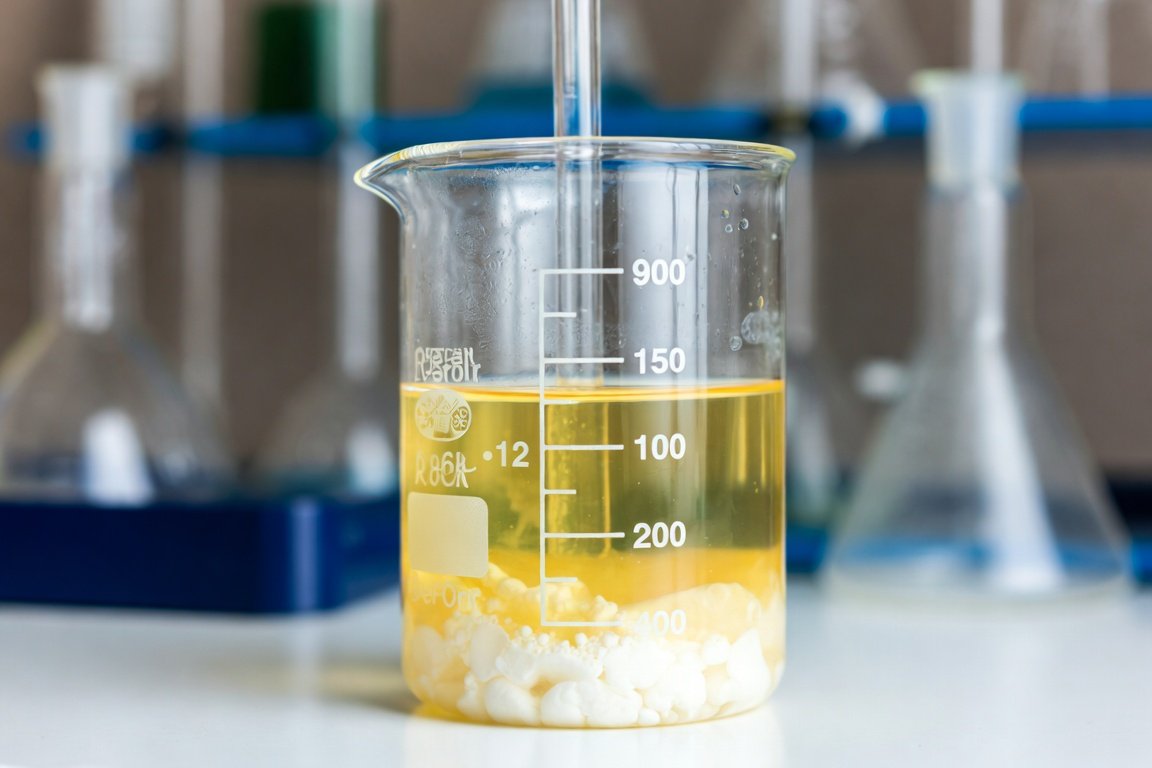
For lower flow rates or polishing applications, liquid scavengers such as triazines (MEA or MMA), caustics, oxidizers (hydrogen peroxide, sodium hypochlorite), or proprietary blends are injected. These non-regenerable options react irreversibly with H₂S, forming water-soluble or solid byproducts.
Atomized injection improves contact efficiency. In petrochemical settings, scavengers treat fuel gas, LPG, or vent streams where regenerable systems are uneconomical. Solids formation and spent chemical disposal are key considerations.
Solid Bed Adsorption and Other Methods
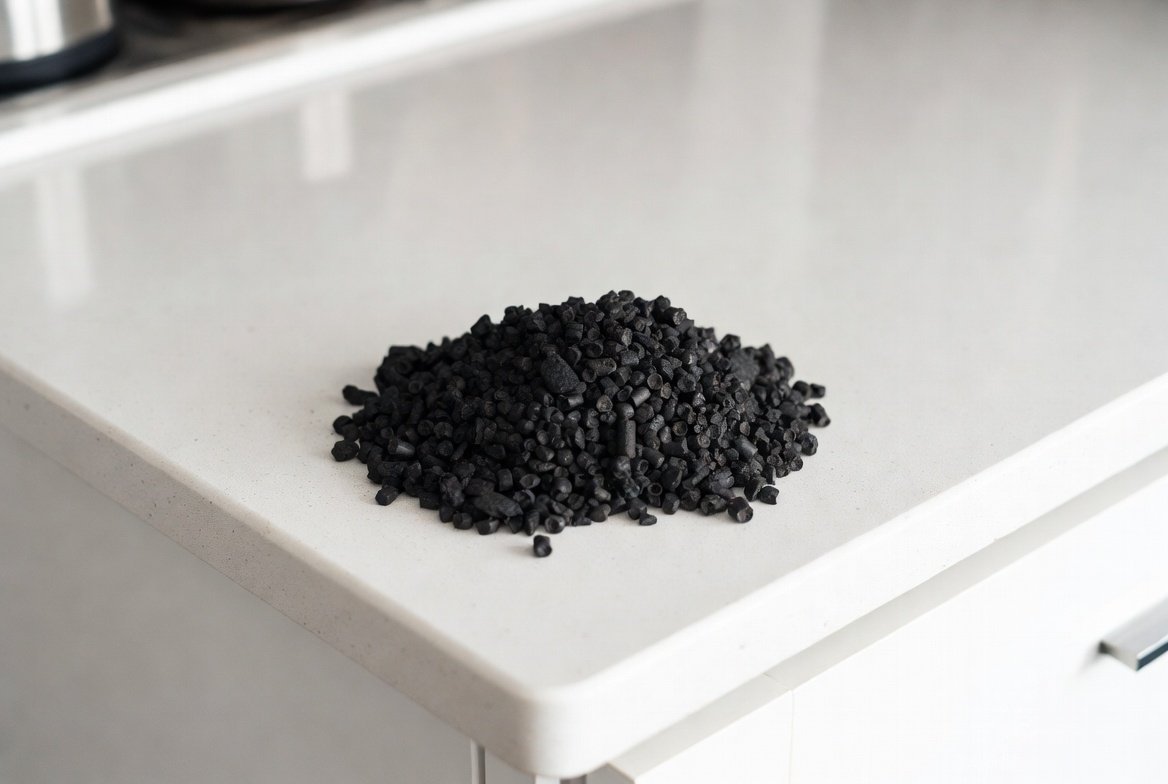
Iron oxide, zinc oxide, activated carbon (often caustic-impregnated), and mixed metal oxides serve as adsorbents for polishing or small streams. Regenerable beds reduce waste. Liquid redox processes (e.g., iron chelate-based like LO-CAT) offer alternatives for certain streams.
Biological treatment and membranes find niche roles, especially in wastewater or low-concentration applications. Hybrid systems combine technologies for optimal performance across varying conditions.
Challenges Specific to Petrochemical Operations
Petrochemical plants process diverse, often variable feedstocks, leading to fluctuating H₂S loads. Integration with multiple units demands careful balancing to avoid impacting throughput or product specs. High temperatures, pressures, and presence of contaminants like ammonia, cyanides, or hydrocarbons complicate treatment.
Corrosion management requires compatible materials, inhibitors, and inspection programs. Wastewater from sour water strippers needs dedicated treatment before discharge or reuse. Energy efficiency and byproduct management are increasingly important amid sustainability goals. Regulatory compliance, including emissions trading and odor control, adds pressure.
Best Practices for Effective H₂S Management
Successful H₂S control starts with thorough process simulation and design tailored to site conditions. Regular monitoring with online analyzers (e.g., UV, electrochemical) enables real-time optimization. Predictive maintenance using digital twins and AI helps anticipate issues.
- Conduct detailed feedstock and stream analysis to select appropriate technologies.
- Optimize amine systems through proper circulation rates, antifoam use, and reclamation.
- Implement robust SRU controls, including air demand management and catalyst monitoring.
- Use hybrid approaches for flexibility across load variations.
- Prioritize corrosion monitoring and material upgrades in sour service areas.
- Develop comprehensive waste handling and sulfur marketing strategies.
- Train personnel on safety and operational procedures.
- Integrate with broader sustainability initiatives, such as energy recovery and carbon management.
Performance audits and benchmarking against industry standards drive continuous improvement. Collaboration with engineering specialists ensures solutions align with evolving regulations and economics.
Emerging Trends and Future Outlook
The petrochemical sector is evolving toward lower-carbon operations. Integration of H₂S removal with carbon capture and storage (CCUS) is gaining traction, where acid gas injection handles both H₂S and CO₂. Advanced materials, selective solvents, and biological enhancements promise higher efficiency and lower costs.
Digitalization, including machine learning for process control and predictive analytics, will optimize operations. Renewable feedstocks and circular economy principles may alter H₂S profiles, requiring adaptable technologies. Research into direct electrochemical or photocatalytic H₂S conversion could reduce reliance on traditional methods.
As global demand for petrochemicals grows alongside environmental scrutiny, effective H₂S management will remain a cornerstone of safe, efficient, and sustainable production.
Conclusion
H₂S removal in the petrochemical industry is a multifaceted engineering challenge requiring balanced consideration of safety, economics, environmental impact, and reliability. By leveraging appropriate technologies—ranging from amine treating and Claus processes to scavengers and adsorbents—facilities can mitigate risks and convert liabilities into assets like elemental sulfur.
Success depends on site-specific engineering, ongoing optimization, and adherence to best practices grounded in sound principles. As the industry advances, innovative approaches and digital tools will further enhance H₂S management capabilities. Operators are encouraged to engage qualified experts for assessments tailored to their unique configurations and regulatory contexts.
This overview draws from established industry knowledge and aims to inform without endorsing specific commercial solutions. For detailed implementation, consult process engineers and relevant standards.