Article Content
Steam-Assisted Gravity Drainage (SAGD) has become a cornerstone of bitumen extraction in Alberta’s oil sands, enabling economic production from deep, viscous reservoirs that are unsuitable for mining or cold production. However, SAGD operations generate significant volumes of sour produced fluids containing hydrogen sulfide (H₂S), presenting unique technical, safety, environmental, and regulatory challenges. Effective H₂S management is essential for operational integrity, worker safety, asset longevity, and compliance with stringent Alberta Energy Regulator (AER) requirements.
This article offers an informative, non-biased examination of H₂S issues specific to SAGD, drawing from established engineering principles, industry data, and operational experiences. It explores sources of H₂S, associated risks, removal and treatment technologies, monitoring strategies, and emerging best practices without endorsing specific commercial solutions.
Overview of SAGD Process and H₂S Generation
SAGD involves drilling pairs of horizontal wells: an upper steam injection well and a lower production well. High-pressure steam is injected to heat the bitumen, reducing its viscosity and allowing it to drain by gravity into the production well along with condensed steam (produced water) and associated gas.
H₂S forms through several mechanisms in the reservoir and facilities:
- Thermochemical Sulfate Reduction (TSR): Reactions between injected steam, reservoir minerals, and hydrocarbons at elevated temperatures.
- Bacterial Activity: Sulfate-reducing bacteria (SRB) in cooler zones or during water recycling.
- Thermal Cracking: Breakdown of sulfur-containing compounds in bitumen during steam stimulation.
- Facility Contributions: Corrosion products or carryover in processing equipment.
Produced gas in SAGD can contain H₂S levels ranging from tens to thousands of ppm, while produced water often holds dissolved sulfides. Variability depends on reservoir geology, steam quality, and operating conditions, making consistent treatment critical.
Key Challenges in SAGD H₂S Management
SAGD facilities operate in remote, harsh environments with high water cuts (often >90%), emulsion challenges, and large recycle loops for produced water. H₂S exacerbates issues including:
- Corrosion and Integrity: Accelerated degradation of pipelines, vessels, and downhole equipment, leading to leaks and costly maintenance.
- Safety Risks: Toxic gas releases in well pads, gathering systems, and central processing facilities. H₂S can accumulate in low-lying areas or during upsets.
- Environmental and Regulatory Compliance: AER Directive 071 and other standards set strict limits on H₂S emissions, flaring, and ambient concentrations. Exceedances can result in shutdowns or penalties.
- Operational Efficiency: Fouling, foaming in separators, catalyst poisoning in downstream units, and challenges in water treatment for steam generation.
- Byproduct Handling: Managing spent scavengers, sulfur, or sludge while minimizing disposal costs and environmental footprint.
High steam-oil ratios and continuous operations amplify these challenges compared to conventional oil and gas.
Monitoring and Measurement Strategies
Accurate, real-time monitoring is foundational. Common approaches include:
- Electrochemical and optical sensors for gas-phase H₂S.
- Colorimetric or titration methods for dissolved sulfides in water.
- Gas chromatography for detailed speciation.
- Wireless sensor networks and SCADA integration for facility-wide visibility.
Best practices emphasize calibration, redundancy at critical points (wellheads, separators, treaters), and integration with emergency shutdown systems. Predictive modeling using reservoir simulation and process software helps anticipate souring trends.
H₂S Removal and Treatment Technologies in SAGD
Technologies are applied across gas, water, and liquid phases, often in hybrid configurations.
Gas Phase Treatment
Sour produced gas is typically treated using:
- Amine Absorption: Selective or hybrid amines in contactors for bulk removal, followed by regeneration and sulfur recovery (Claus or alternatives).
- Liquid Scavengers: Injection of triazine or non-nitrogen formulations at well pads or gathering lines for low-to-moderate loads. Suitable for dispersed SAGD pads.
- Solid Adsorbents: Iron-based beds or activated carbon for polishing.
- Membranes: For selective acid gas separation in smaller or modular setups.
Design must account for variable flow rates, high CO₂ content, and potential hydrocarbon liquids.
Produced Water Treatment
Produced water recycle is key to SAGD economics and sustainability. H₂S/sulfide control includes:
- Chemical Oxidation: Using oxidants like hydrogen peroxide, chlorine dioxide, or nitrates to convert sulfides to less harmful forms.
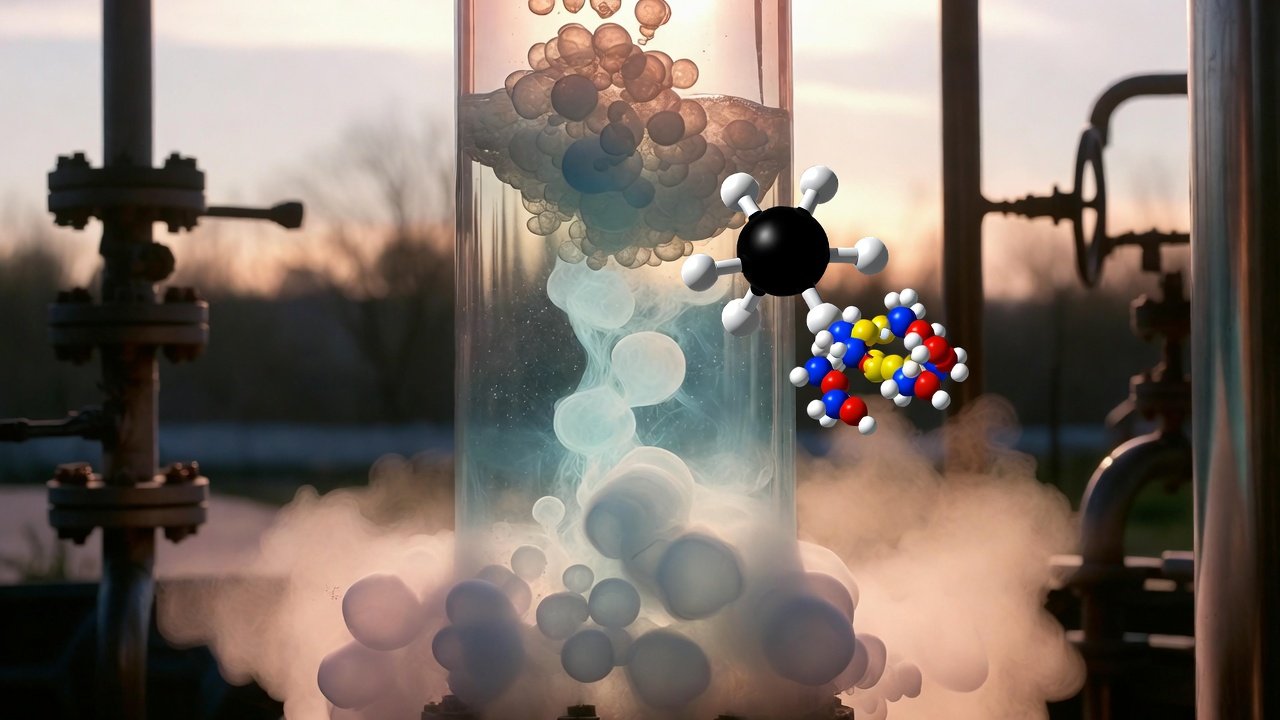
- Stripping and Degassing: Gas stripping towers to remove volatile H₂S before de-oiling and softening.
- Biological Treatment: Anaerobic/aerobic systems or specialized bioreactors for sulfide oxidation in large water volumes.
- Precipitation: Iron salts to form insoluble sulfides for removal via filtration or flotation.
Water treatment must also address silica, hardness, and organics to ensure boiler feedwater quality and minimize scaling.
Integrated and Facility-Wide Approaches
Central processing facilities (CPF) often combine multiple technologies. Downhole or pad-level treatment reduces transport risks. Vapor recovery units and enclosed flaring minimize emissions. Regular pigging and chemical inhibition programs protect pipelines.
Regulatory Context in Alberta
The AER mandates comprehensive H₂S management plans, including emergency response, dispersion modeling, public notification, and reporting. Directives address sour service materials (NACE MR0175/ISO 15156), flaring limits, and groundwater protection. Operators must demonstrate best available control technology (BACT) and continuous improvement. Non-compliance can impact license approvals for new pads or expansions.
Best Practices and Optimization Strategies
Successful operators focus on:
- Holistic system design from reservoir to export, incorporating risk-based inspection (RBI).
- Data analytics and digital twins for predictive maintenance and optimization.
- Minimizing chemical consumption through precise dosing and real-time feedback.
- Byproduct valorization, such as sulfur sales or beneficial reuse of treated water.
- Training and competency programs for H₂S awareness and response.
- Collaboration with industry groups for shared learnings on souring mitigation.
Life-cycle cost analysis (LCCA) helps balance CAPEX and OPEX, factoring in reliability and downtime avoidance.
Emerging Trends and Innovations
Advancements include:
- Advanced sensors and IoT for earlier detection.
- Novel green chemistries and biocatalysts with lower environmental impact.
- Hybrid biological-chemical systems for water treatment.
- Improved materials resistant to sour conditions.
- Integration with carbon capture initiatives, as SAGD facilities manage large CO₂ and H₂S streams.
- Modular, mobile treatment units for pad-level flexibility.
As the industry pursues lower emissions and net-zero pathways, H₂S management will increasingly align with broader ESG goals, including reduced freshwater use and methane/H₂S co-control.
Conclusion
H₂S management in SAGD operations demands integrated engineering solutions tailored to the unique characteristics of oil sands production. By addressing sources, deploying appropriate technologies, maintaining rigorous monitoring, and adhering to regulatory standards, operators can enhance safety, protect assets, and support sustainable development of Alberta’s resources.
Ongoing research, operational experience, and technological innovation will continue to improve performance. Facility-specific assessments and collaboration across the value chain remain key to effective implementation.