Article Content
This article provides an in-depth, unbiased examination of H₂S issues specific to shale plays, the technologies deployed for its removal, key engineering considerations, and emerging best practices based on industry data and established principles.
Understanding H₂S in Shale Gas Formations
Shale gas, extracted through horizontal drilling and hydraulic fracturing, often contains varying levels of H₂S, also known as sour gas when concentrations exceed pipeline or processing thresholds (typically above 4-10 ppm). Unlike conventional reservoirs, shale formations can exhibit heterogeneous H₂S distribution due to geochemical processes such as thermochemical sulfate reduction (TSR), bacterial sulfate reduction (BSR), or interactions with formation water and minerals.
In plays like the Marcellus, Utica, Eagle Ford, or Permian Basin, H₂S levels can range from trace amounts to several thousand ppm, influenced by depth, temperature, reservoir mineralogy, and completion techniques. High-pressure, high-temperature (HPHT) conditions in deeper shales exacerbate H₂S generation. Even low concentrations pose risks because H₂S is highly toxic (lethal at 500-1000 ppm with short exposure), corrosive to carbon steel, and contributes to sulfide stress cracking (SSC) and hydrogen-induced cracking (HIC).
Regulatory bodies such as the EPA, state agencies (e.g., Texas RRC, Pennsylvania DEP), and pipeline operators impose strict limits. Sales gas typically must meet specifications below 4 ppm H₂S, with total sulfur (including mercaptans) often capped at 10-20 grains per 100 scf. Non-compliance can result in shut-ins, fines, or contract penalties. Additionally, H₂S impacts downstream processing, LNG liquefaction, and biogas/RNG integration where shale-derived gas supplements renewable streams.
Challenges Unique to Shale Gas Operations
Shale gas production differs from conventional operations in scale, variability, and logistics. Key challenges include:
- Variable Gas Composition and Flow Rates: Pad drilling leads to fluctuating production profiles. Early flowback may have higher liquids and H₂S, while mature wells stabilize but may see increasing souring over time due to water injection or reservoir dynamics.
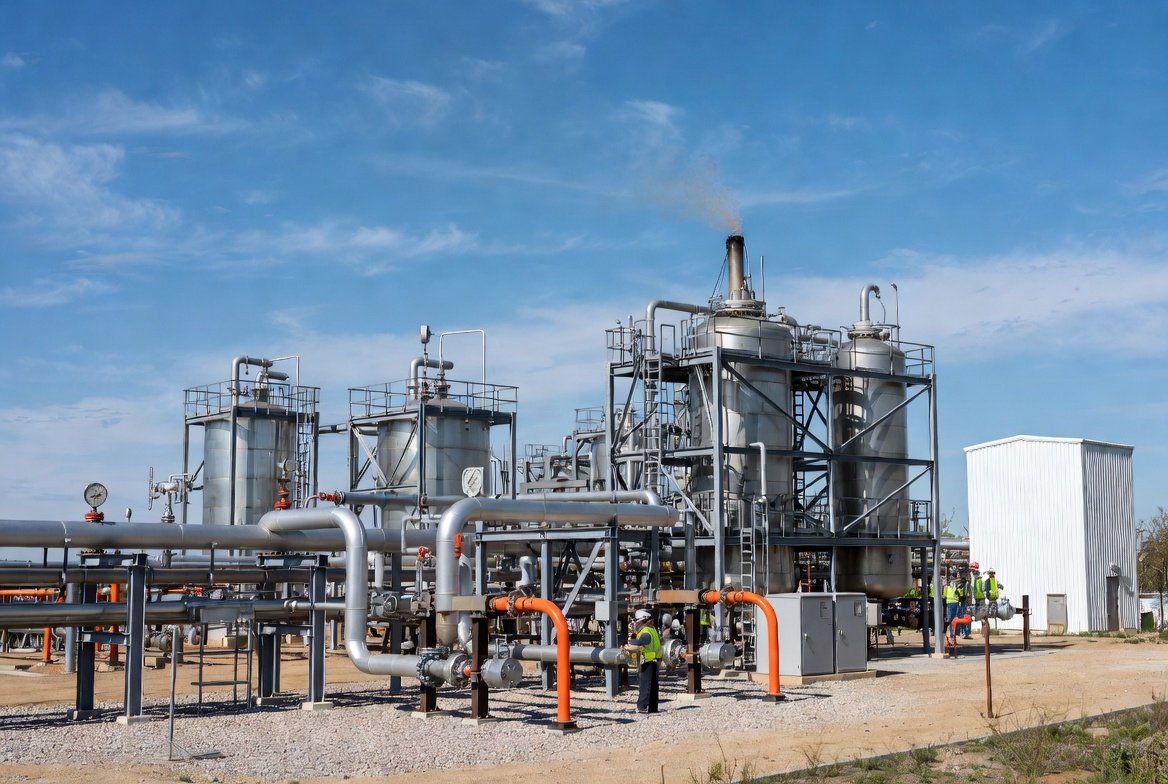
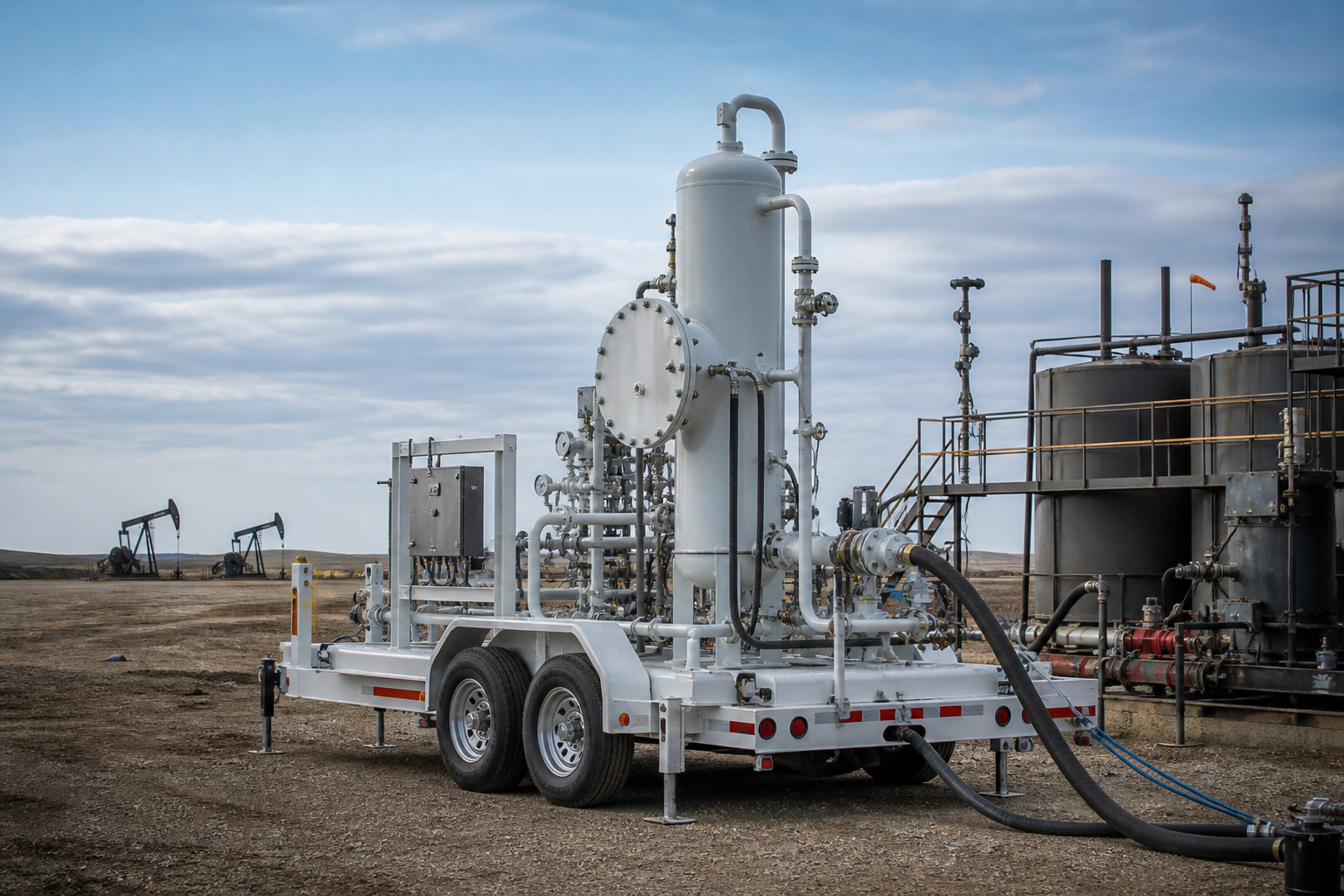
- Decentralized Infrastructure: Remote well pads and gathering systems often lack centralized processing plants, favoring modular, skid-mounted removal solutions over large amine units.
- Water Management Integration: Produced water with dissolved H₂S requires treatment before reuse or disposal, linking gas-phase and aqueous-phase removal strategies.
- Corrosion and Safety in High-Pressure Systems: Frac equipment, flowlines, and gathering lines operate at elevated pressures, accelerating corrosion if H₂S is not controlled early.
- Environmental and ESG Considerations: Flaring or venting H₂S-rich gas is increasingly restricted. Operators seek low-emission solutions to support net-zero goals and investor demands.
Primary Technologies for H₂S Removal in Shale Gas
Several proven and emerging methods address H₂S in shale applications. Selection depends on concentration, flow rate, location, and economics.
1. Liquid Chemical Scavengers
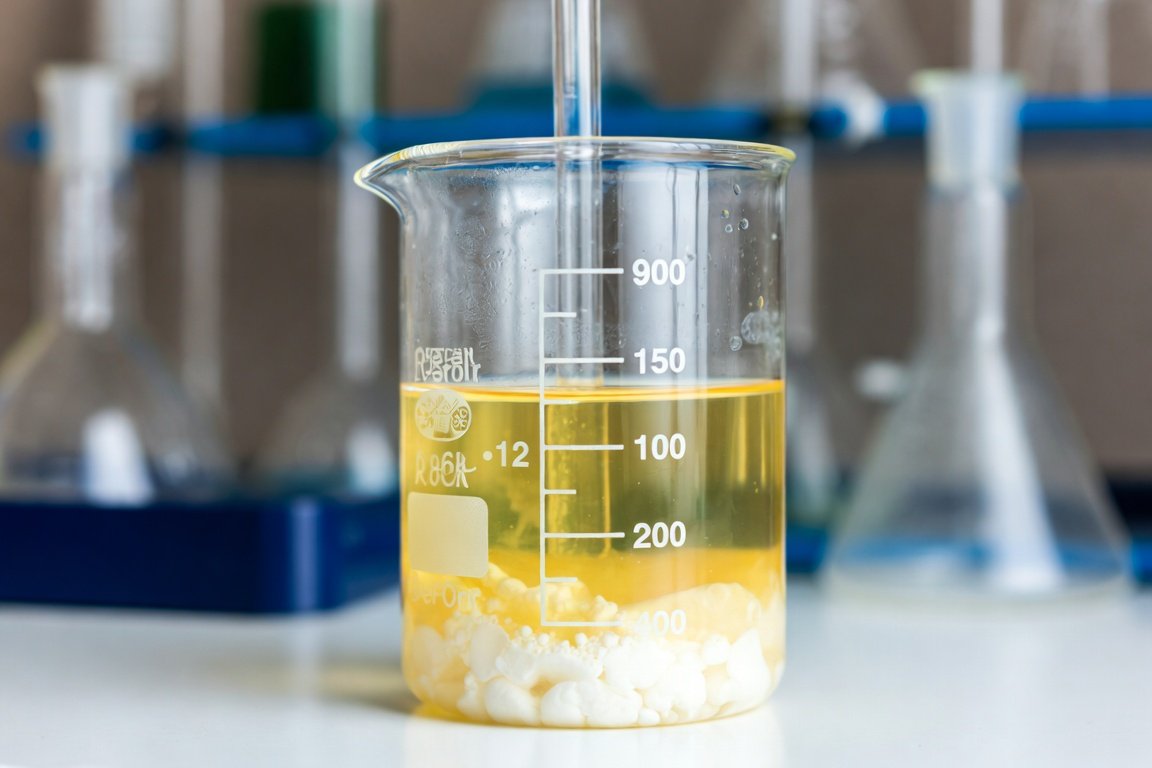
Liquid scavengers, particularly triazine-based (MEA or MMA) and non-triazine proprietary formulations, are widely used for low-to-moderate H₂S levels (typically <500-1000 ppm) in gathering lines or wellhead injection. They react irreversibly with H₂S to form water-soluble byproducts.
Advantages include rapid reaction, easy injection via atomizers or quills, and suitability for intermittent or variable flows common in shale. Drawbacks involve spent product disposal (often as hazardous waste) and potential for solids formation or nitrogen contamination in downstream processes. Green or low-nitrogen scavengers are gaining traction for ESG compliance. Proper atomization and contact time optimization are critical for efficiency, often achieving 80-95% removal in well-designed systems.
2. Solid Adsorbents and Fixed-Bed Systems
Iron oxide/hydroxide (iron sponge), activated carbon (caustic-impregnated), and mixed metal oxides excel for moderate H₂S streams. These non-regenerable or regenerable media are loaded into vessels at centralized gathering points or processing facilities.
In shale, compact vessel designs suit pad-level installation. Iron-based media convert H₂S to iron sulfides, with capacities influenced by moisture, temperature, and bed sizing. Activated carbon handles polishing and mercaptan co-removal. Regeneration options (e.g., air oxidation for some media) reduce waste but require careful management of exothermic reactions. Best practices include upstream dehydration to prevent bed plugging and regular monitoring of breakthrough curves.
3. Amine Absorption and Hybrid Systems
For higher concentrations or centralized plants, selective amines (e.g., MDEA) absorb H₂S (and CO₂) in contactor towers, followed by regeneration and sulfur recovery via Claus process or equivalents. In shale midstream, hybrid setups combine bulk removal via membranes or scavengers with amine polishing for ultra-low specs.
Membrane separation is particularly attractive for shale due to its modularity. Polymeric membranes (glassy or rubbery) selectively permeate H₂S and CO₂, offering compact, low-maintenance bulk removal ideal for offshore-style or remote shale facilities. Challenges like methane slippage are mitigated in multi-stage or hybrid configurations.
4. Biological and Emerging Methods
Biological desulfurization (e.g., THIOPAQ-like systems) uses sulfur-oxidizing bacteria to convert H₂S to elemental sulfur. These are low-chemical, sustainable options gaining interest in shale-adjacent biogas or water treatment but applicable to gas streams with steady, moderate loads.
Other advances include liquid redox processes, advanced oxidizers (peroxide, chlorite), and integrated water-gas treatment for closed-loop operations in shale plays with high water recycle.
Engineering Considerations and Best Practices
Successful H₂S management in shale requires a holistic approach:
- Site-Specific Modeling: Use software for scavenger dosing, vessel sizing, and process simulation to predict performance under variable conditions. Factors like gas velocity, temperature, pressure, and co-contaminants (CO₂, mercaptans, liquids) must be accounted for.
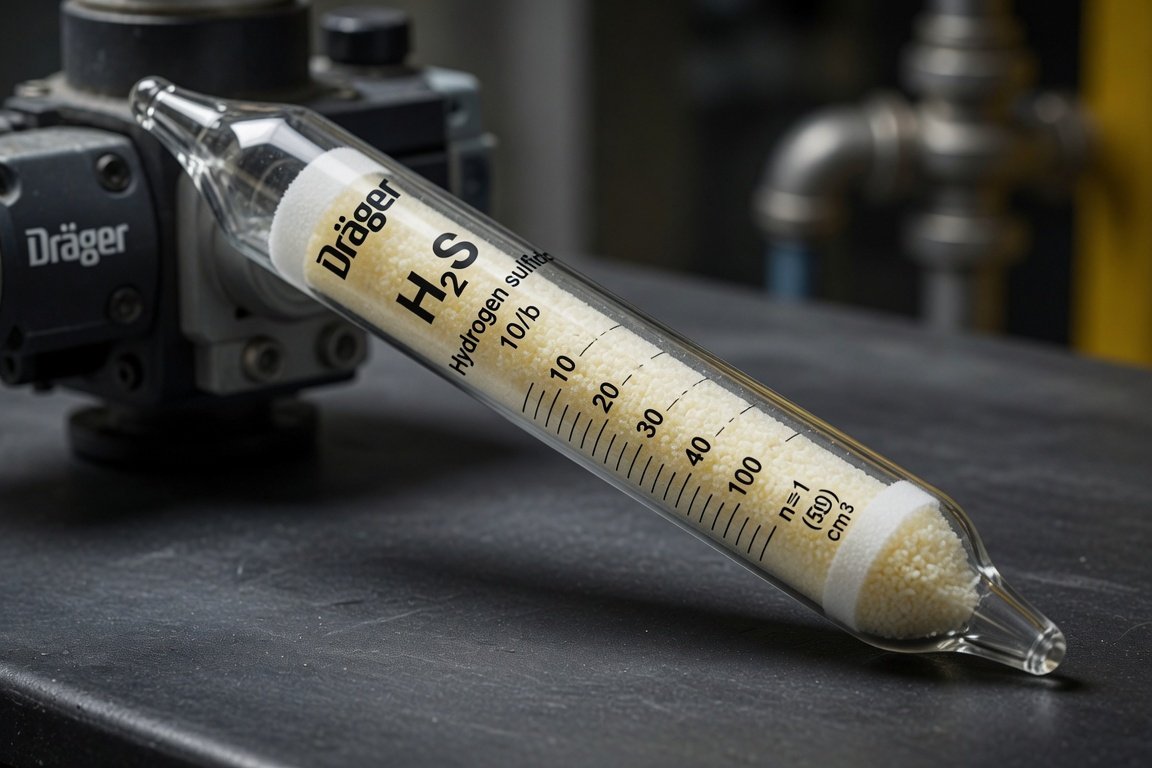
- Monitoring and Analytics: Continuous H₂S analyzers, SCADA integration, and predictive maintenance prevent breakthroughs and optimize chemical use. Regular sampling of produced water and gas helps track souring trends.
- Material Selection: Employ sour-service materials (NACE MR0175/ISO 15156 compliant) for piping and equipment. Corrosion inhibitors complement removal strategies.
- Safety Protocols: H₂S training, personal monitors, breathing apparatus, and emergency response plans are non-negotiable. API and OSHA guidelines provide frameworks.
- Economics and Lifecycle Analysis: Compare CAPEX/OPEX across technologies. Scavengers suit short-term or low-volume pads; fixed beds or hybrids for midstream gathering. Factors include disposal costs, methane recovery, and potential revenue from sulfur byproducts.
- Integration with Water and Waste Management: Treat H₂S in produced water via oxidation, precipitation, or aeration to enable reuse and reduce environmental impact.
Case examples from active shale basins demonstrate 20-50% cost reductions through optimized hybrids versus standalone methods, alongside improved uptime and regulatory adherence.
Future Outlook and Sustainability
As shale production evolves amid energy transition pressures, H₂S removal will integrate more with carbon capture, RNG blending, and low-emission operations. Advances in smart sensors, AI-driven optimization, novel materials (e.g., mixed-matrix membranes), and bio-engineered scavengers promise lower costs and footprints. Operators prioritizing early sweetening at the wellhead or pad level will better manage risks in expanding plays.
Collaboration between producers, midstream companies, technology providers, and regulators will drive innovation. Emphasis on circular approaches—such as converting captured sulfur to marketable products—aligns economic and environmental goals.
Conclusion
H₂S removal in shale gas production is a multifaceted engineering discipline balancing technical performance, safety, costs, and sustainability. By understanding formation-specific challenges and deploying appropriate combinations of scavengers, adsorbents, membranes, and biological systems, operators can transform a liability into manageable operations that support reliable energy supply. Ongoing monitoring, adaptive design, and lifecycle evaluation remain key to long-term success in this dynamic sector.
This overview draws on fundamental chemical engineering principles, field-proven applications, and industry benchmarks to equip stakeholders with actionable insights for effective H₂S management.