Article Content
This article provides a comprehensive, unbiased overview of H₂S management in the LNG value chain, drawing on established engineering principles, industry data, and process considerations without favoring any specific commercial solution.
Understanding H₂S in Natural Gas Feed for LNG
Natural gas extracted from reservoirs often contains varying levels of H₂S, ranging from trace amounts to several percent in sour fields. In LNG projects, H₂S must typically be reduced to extremely low levels—often below 4 ppmv or even lower for certain markets—to prevent corrosion, catalyst poisoning, and safety hazards during liquefaction and transport. H₂S is highly toxic, corrosive to carbon steel and other materials, and contributes to the formation of elemental sulfur deposits that can foul heat exchangers and pipelines.
During LNG production, natural gas undergoes several pre-treatment steps before cryogenic liquefaction at approximately -162°C. These include acid gas removal (primarily H₂S and CO₂), dehydration, mercury removal, and heavy hydrocarbon extraction. Failure to adequately remove H₂S early in the process can lead to operational downtime, increased maintenance costs, and non-compliance with buyer specifications such as those from major importers in Asia and Europe.
According to industry reports, sour gas reserves represent a significant portion of untapped global resources, particularly in regions like the Middle East, Southeast Asia, and parts of North America. Developing these fields for LNG export requires robust sweetening technologies tailored to high-pressure, high-volume operations.
Key Challenges in H₂S Removal for LNG Facilities
LNG plants operate under demanding conditions that amplify H₂S removal challenges:
- High Throughput and Pressure: Feed gas flows can exceed several billion standard cubic feet per day (BSCFD), often at pressures above 50-100 bar. Technologies must handle large volumes efficiently without excessive energy consumption.
- Co-contaminants: H₂S frequently occurs alongside CO₂, mercaptans (RSH), carbonyl sulfide (COS), and water. Selective removal is necessary to minimize methane loss and optimize downstream processes.
- Energy Efficiency: Liquefaction is highly energy-intensive; any inefficiency in upstream treating directly impacts the overall plant economics and carbon footprint.
- Safety and Regulatory Compliance: Strict limits from bodies like the International Maritime Organization (IMO), national regulators, and LNG buyers require near-complete H₂S removal. Emissions of SO₂ from any flaring or incineration must also be controlled.
- Remote Locations: Many LNG projects are in offshore or remote areas, favoring modular, reliable systems with minimal chemical handling and waste generation.
Additionally, as projects increasingly integrate with carbon capture, utilization, and storage (CCUS), H₂S management must align with acid gas handling strategies, such as reinjection or dedicated sulfur recovery.
Primary Technologies for H₂S Removal in LNG Pre-Treatment
1. Amine-Based Absorption Processes
Amine sweetening remains the workhorse for bulk acid gas removal in most large-scale LNG facilities. Aqueous solutions of amines such as methyldiethanolamine (MDEA), diethanolamine (DEA), or formulated blends selectively absorb H₂S and CO₂ in high-pressure absorbers. The rich amine is then regenerated in a stripper column using steam or heat, releasing concentrated acid gas for further processing.
Advantages include high removal efficiency (down to ppm levels), proven scalability, and the ability to handle co-absorption of other sulfur compounds with proper design. Selective MDEA formulations can prioritize H₂S over CO₂, reducing energy use. Challenges involve solvent degradation, corrosion (mitigated by inhibitors and proper metallurgy), and relatively high energy demand for regeneration. In LNG contexts, amine units are often integrated with Claus sulfur recovery units (SRUs) or acid gas enrichment systems to maximize sulfur byproduct recovery.
2. Membrane Separation Technologies
Polymeric or ceramic membranes offer a compact, non-chemical alternative or complement to amines. These selectively permeate H₂S, CO₂, and water while retaining methane. Multi-stage configurations with recycle can achieve deep removal suitable for LNG specs.
Benefits for LNG include lower footprint (ideal for floating LNG or modular plants), reduced energy consumption compared to solvent processes, and no chemical inventory. Limitations include potential methane slippage (addressed in hybrid designs), sensitivity to contaminants like heavy hydrocarbons or liquids, and higher initial costs for specialized membranes. Advances in mixed-matrix and facilitated transport membranes continue to improve selectivity and durability.
3. Physical Solvents and Hybrid Systems
Physical solvents like Selexol or Rectisol use organic solvents that absorb acid gases based on solubility differences at high pressure. These are particularly effective for very high H₂S/CO₂ concentrations and can be combined with amines in hybrid setups for optimized performance—bulk removal via physical solvent followed by polishing with chemical amines.
Hybrid approaches are gaining popularity in LNG projects handling ultra-sour feeds, balancing CAPEX, OPEX, and flexibility. They allow for better integration with CCUS by producing higher-purity CO₂ streams.
4. Adsorption and Other Polishing Methods
For final polishing to ultra-low H₂S levels, fixed-bed adsorbents such as zinc oxide, activated carbon (often impregnated), molecular sieves, or metal oxides are employed. These are effective for trace removal and mercaptans but are typically used downstream of bulk treating due to capacity limitations at high concentrations.
Regenerable beds (temperature or pressure swing) minimize waste, while non-regenerable options provide simplicity in smaller polishing applications. Proper upstream dehydration is crucial to prevent bed saturation or damage.
Sulfur Recovery and Byproduct Management
Acid gas from sweetening units is commonly processed in the Modified Claus process, which converts H₂S to elemental sulfur through thermal and catalytic stages. Recovery efficiencies of 94-97% are standard, with tail gas treating units (TGTUs) like SCOT, hydrogenation, or sub-dewpoint processes pushing totals above 99.5% to meet emissions standards.
In LNG projects, sulfur is often a valuable byproduct sold for fertilizer or industrial use. Alternatives for smaller or remote facilities include liquid redox processes or direct oxidation, which produce sulfur in a more manageable form with lower emissions. Integration with CCUS can involve acid gas injection, where H₂S and CO₂ are compressed and sequestered underground, reducing surface facilities and environmental impact.
Engineering Considerations and Best Practices
Successful H₂S management in LNG requires integrated design:
- Process Simulation and Modeling: Detailed simulations using tools like Aspen HYSYS or PRO/II optimize unit sizing, energy use, and selectivity under varying feed compositions.
- Materials Selection: Sour service compliance (NACE MR0175/ISO 15156) is mandatory for all wetted parts to prevent sulfide stress cracking.
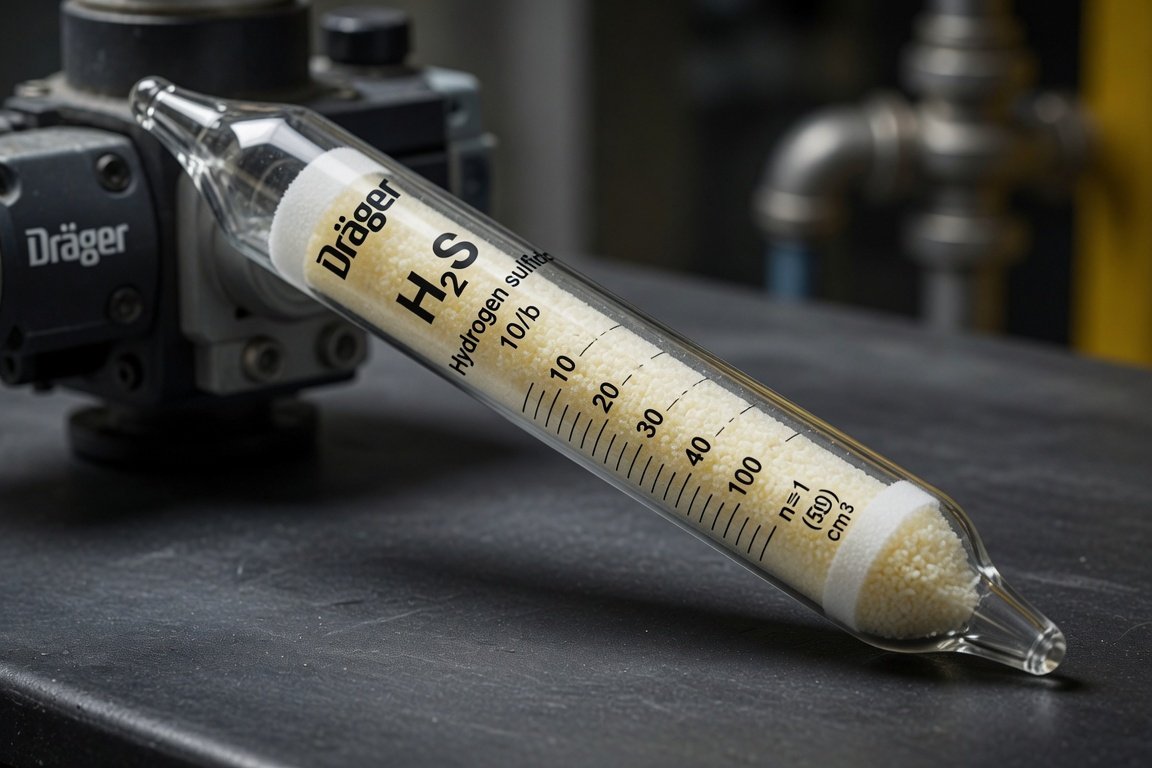
- Monitoring and Control: Online analyzers for H₂S, CO₂, and sulfur compounds, combined with advanced process control (APC), ensure consistent performance and early detection of breakthroughs.
- Water and Waste Management: Spent solvents, condensates, and sulfur handling must address environmental regulations, including wastewater treatment for any dissolved sulfides.
- Turndown and Flexibility: LNG trains often experience variable loads; designs must accommodate turndown ratios without efficiency loss.
- Safety Protocols: Comprehensive H₂S detection, personnel training, and emergency response plans are non-negotiable given the toxicity risks.
Case studies from operating LNG facilities demonstrate that early integration of treating design with liquefaction can yield 10-20% reductions in overall energy consumption and significant improvements in reliability.
Economic and Environmental Aspects
The economics of H₂S removal are driven by CAPEX for equipment, OPEX for chemicals/energy/disposal, and potential revenue from sulfur. Lifecycle cost analysis (LCCA) should include downtime risks, regulatory fines, and ESG factors. Environmentally, minimizing flaring, maximizing sulfur recovery, and pursuing CCUS integration support lower greenhouse gas intensities, aligning LNG with sustainability goals.
As markets demand “greener” LNG, certifications for low-sulfur and low-emission production are becoming differentiators. Technologies that reduce chemical use or enable byproduct valorization offer competitive advantages.
Emerging Trends and Future Outlook
Innovation in H₂S removal for LNG includes:
- Advanced solvents with lower regeneration energy and higher selectivity.
- Next-generation membranes with improved flux and resistance to contaminants.
- AI and machine learning for predictive maintenance and optimization.
- Hybrid biological-chemical systems for more sustainable operations.
- Direct integration of acid gas removal with liquefaction refrigeration cycles for energy synergies.
With global LNG capacity expanding rapidly, particularly in response to energy security needs, H₂S removal technologies will continue evolving to support larger, more efficient, and lower-emission facilities. Regions with sour gas resources stand to benefit significantly from these advancements.
Conclusion
H₂S removal is a foundational step in LNG production, balancing technical performance, safety, economics, and environmental responsibility. By understanding the interplay of feed characteristics, available technologies like amines, membranes, and adsorbents, and best engineering practices, project developers and operators can achieve reliable, compliant, and efficient operations. As the industry advances toward greater sustainability, continued innovation in treating processes will play a pivotal role in unlocking sour gas reserves while meeting the world’s growing demand for clean energy.
This informative overview highlights the multifaceted nature of H₂S management in LNG without endorsing specific vendors, emphasizing principles applicable across projects worldwide. Stakeholders are encouraged to conduct site-specific evaluations and engage qualified engineers for detailed design.