Article Content
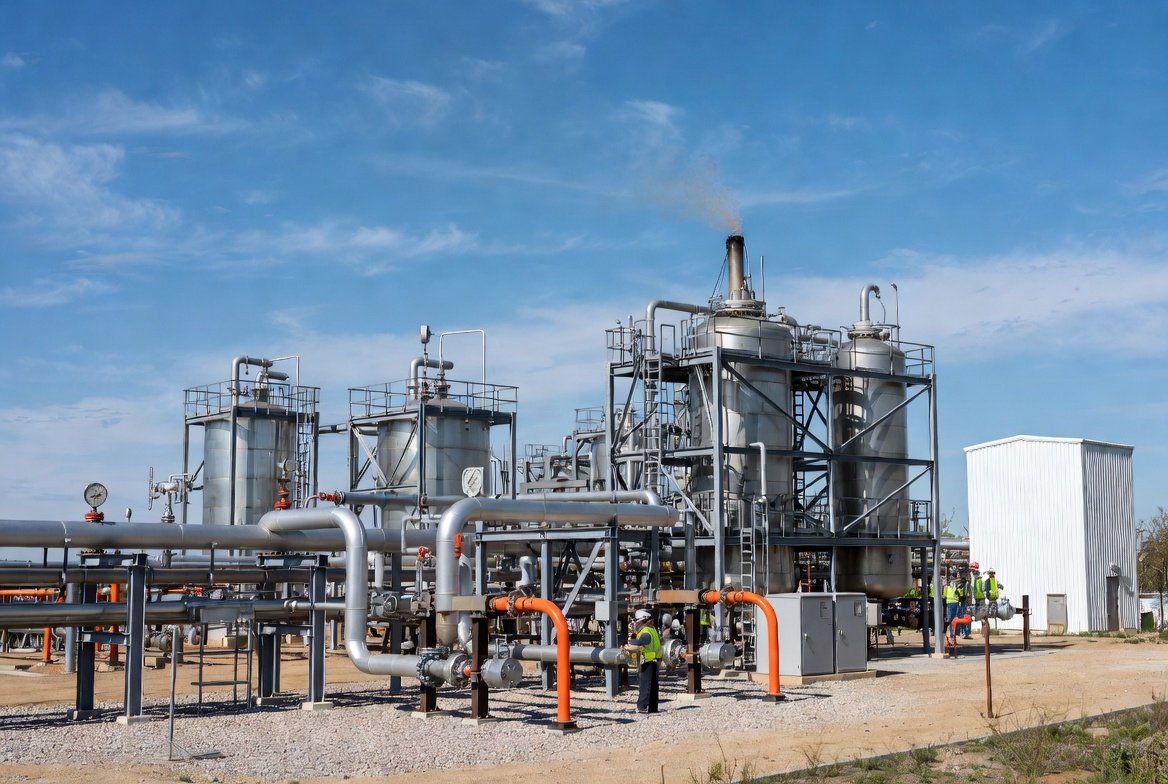
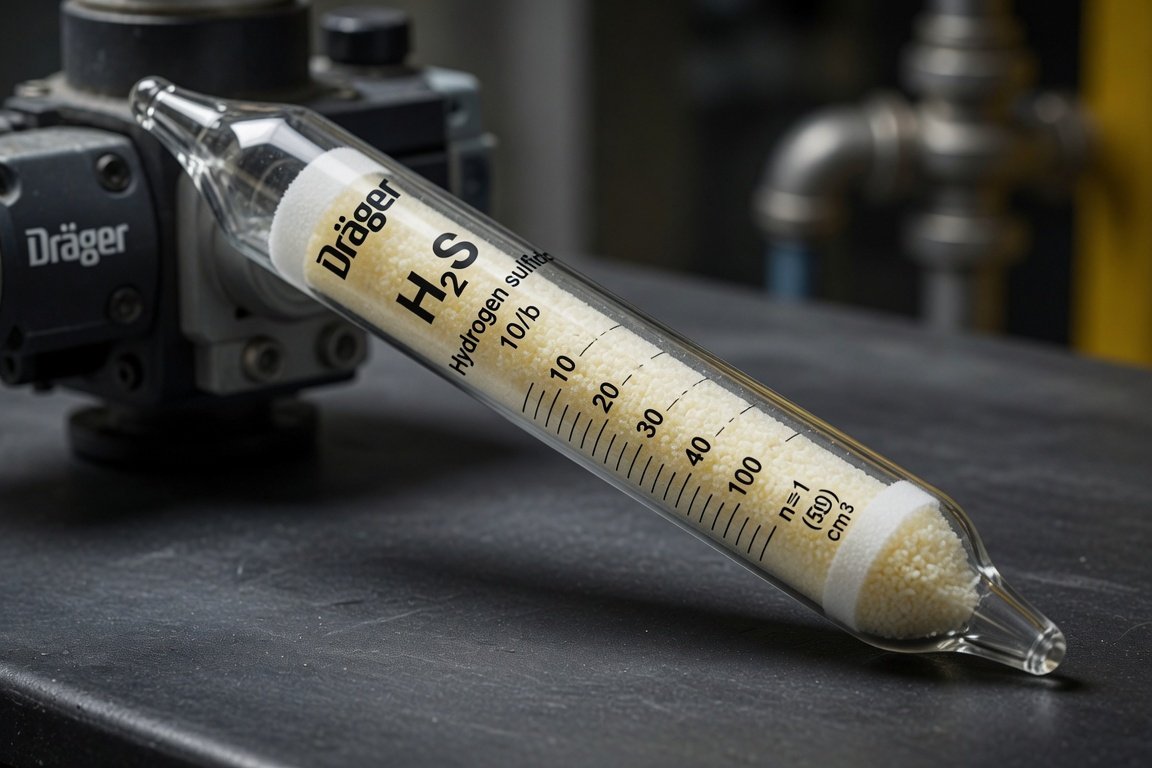
Hydrogen sulfide (H₂S) is one of the most problematic contaminants in the oil and gas industry. It is highly toxic, extremely corrosive, and can cause catastrophic equipment failure through sulfide stress cracking. In addition to safety and integrity risks, H₂S creates operational headaches by contaminating crude oil and natural gas streams, leading to off-spec products, environmental violations, and expensive treatment requirements. In this article we will investigate the MBO H2S Scavenger.
Chemical scavenging is the most widely used method for controlling H₂S in produced fluids, pipelines, storage tanks, and export systems. For many years, the industry relied heavily on triazine-based scavengers, particularly monoethanolamine (MEA) triazine. While effective, triazines have well-known drawbacks including high water content, potential for solid byproduct formation, elevated nitrogen loading in crude, and toxicity concerns.
In recent years, a new class of scavengers based on oxazolidine chemistry has gained significant traction. The most prominent of these is MBO, chemically known as 3,3′-methylenebis[5-methyloxazolidine]. Marketed under names such as Stabicor® S100, MBO has become a preferred non-triazine alternative because it offers higher H₂S uptake capacity, cleaner reaction profiles, reduced byproduct deposition, and better overall economics. This article provides a detailed technical review of MBO, covering its synthesis, reaction mechanism, kinetics, performance advantages, and practical application methods in upstream and midstream operations.
Chemical Structure and Key Properties of MBO H2S Scavenger
MBO is a bis-oxazolidine compound formed by linking two 5-methyloxazolidine rings with a methylene bridge at the nitrogen (N3) positions. Its molecular formula is C₉H₁₈N₂O₂ with a molecular weight of 186.25 g/mol. Each five-membered ring contains both oxygen and nitrogen heteroatoms, giving the molecule unique reactivity toward H₂S.
Key physical and chemical properties include:
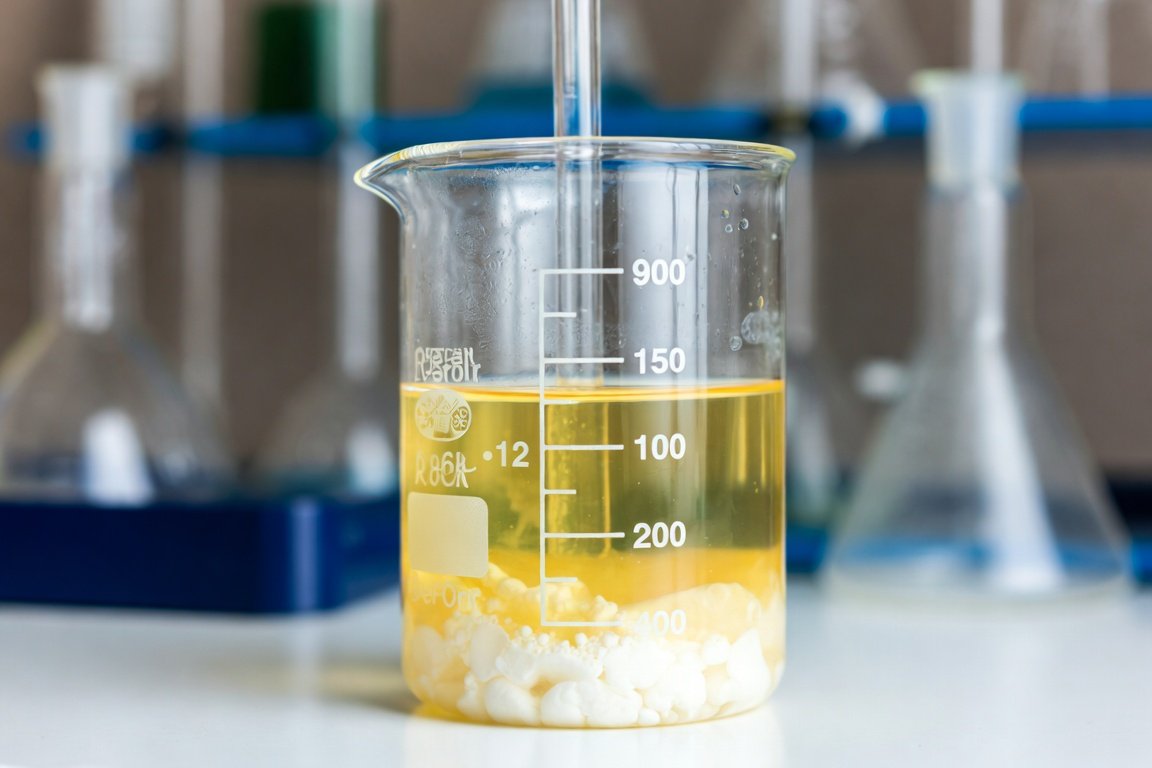
- Appearance: Clear to pale yellow mobile liquid
- Active content: 99% (neat product)
- Density: 1.05–1.10 g/cm³ at 20°C
- Viscosity: Low to moderate, easy to pump even in cold conditions
- Solubility: Fully miscible with hydrocarbons; dispersible in water
- Flash point: High thermal stability with excellent performance up to 80–90°C
- Odor: Mild amine character, significantly less offensive than many triazine formulations
These properties make MBO highly versatile for both oil-continuous and multiphase systems without introducing large volumes of water into dry crude streams.
Manufacturing and Synthesis of MBO
MBO is manufactured through a controlled condensation reaction between monoisopropanolamine (MIPA, also called 1-amino-2-propanol) and formaldehyde. The reaction is carried out under strictly anhydrous conditions to promote ring closure and prevent premature hydrolysis. A typical molar ratio of 2 moles of MIPA to 3 moles of formaldehyde is used, with continuous removal of water via distillation or vacuum to drive the equilibrium toward the bis-oxazolidine product.
The synthesis involves two main stages: formation of the oxazolidine ring followed by methylene bridging. Temperature, pH, and water content are tightly controlled to achieve high purity and minimize oligomeric byproducts. The final product is a high-purity liquid that requires minimal further processing before packaging.
Unlike some experimental scavengers that face scale-up difficulties, MBO is already produced at commercial multi-tonne scale by several chemical manufacturers. This mature production route ensures consistent quality, reliable supply, and competitive pricing compared with newer or less established chemistries.
Reaction Chemistry with H₂S: Mechanism and Products
The reaction of MBO with hydrogen sulfide proceeds through two parallel pathways that together deliver high scavenging efficiency.
First, the oxazolidine rings can undergo direct nucleophilic attack by H₂S, leading to ring opening and formation of sulfur-containing adducts. Second, and often more significant under field conditions, MBO partially hydrolyzes in the presence of trace water or moisture to generate hexahydrotriazine in situ. This triazine then reacts rapidly with H₂S according to well-established triazine chemistry.
The primary stable reaction product is dithiazine (specifically substituted 1,3,5-dithiazine derivatives). Dithiazine is a non-volatile, oil-soluble compound that does not form insoluble polymers or scales under normal operating conditions. Importantly, dithiazine itself acts as an effective corrosion inhibitor by adsorbing onto metal surfaces and forming a protective film. This secondary benefit provides additional asset protection beyond simple H₂S removal.
Compared with conventional triazine reactions, MBO produces significantly less solid or gummy byproduct, reducing the risk of fouling in pipelines, heat exchangers, and storage tanks. The overall stoichiometry also favors higher H₂S consumption per unit mass of scavenger, typically delivering 20–50% better weight-based uptake than MEA-triazine under comparable conditions.
Reaction Rate and Kinetics
MBO exhibits favorable reaction kinetics for practical field use. Significant H₂S reduction is routinely achieved within 1–2 hours of contact time when adequate mixing is provided. In batch treatment scenarios, operators commonly observe rapid initial uptake followed by slower equilibration as residual H₂S diffuses from the oil phase.
Laboratory and field data show that MBO maintains strong performance across a wide temperature range (15–80°C). Higher temperatures generally accelerate the reaction rate without promoting unwanted side reactions. The oil solubility of MBO improves mass transfer in hydrocarbon-continuous systems, allowing the scavenger to partition effectively where H₂S is concentrated.
In natural gas bubble tower applications, MBO has demonstrated the ability to maintain outlet H₂S levels below 10 ppmv for extended periods (over 100 hours in some tests) under continuous challenge. When used with synergistic boosters or promoters, reaction rates can be further enhanced, allowing lower overall treat rates while achieving near-complete H₂S removal.
Advantages Over Traditional Triazine Scavengers
MBO offers several clear operational and economic advantages compared with conventional MEA-triazine:
- Higher H₂S uptake capacity per kilogram of product, reducing chemical consumption and logistics costs
- 99% active content versus 70–80% for many triazine solutions, minimizing water addition to dry crude
- Significantly lower nitrogen content in treated crude, which benefits downstream refining operations
- Minimal formation of insoluble polymeric precipitates or scales
- Lower inhalation toxicity, improving operator safety and handling requirements
- Built-in corrosion inhibition through dithiazine film formation
- Excellent cold-weather performance and high thermal stability
These advantages translate into lower total cost of ownership, reduced downtime for equipment cleaning, and improved HSE performance across many operating environments.
Typical Application Methods in Oil and Gas
Crude Oil Treatment
Batch Treatment: MBO is injected into storage tanks, railcars, ships, or export pipelines followed by recirculation or static mixing. This method is ideal for trim treating crude to meet shipping specifications (typically <10–20 ppm H₂S). Contact times of 1–2 hours are usually sufficient when good mixing is achieved.
Continuous Injection: Metered injection into flowlines, manifolds, or upstream of separators using chemical injection pumps. Dosage rates typically range from 10 to 100+ ppm depending on inlet H₂S concentration and target residual. Static mixers or turbulent flow enhance performance.
Natural Gas and Multiphase Systems
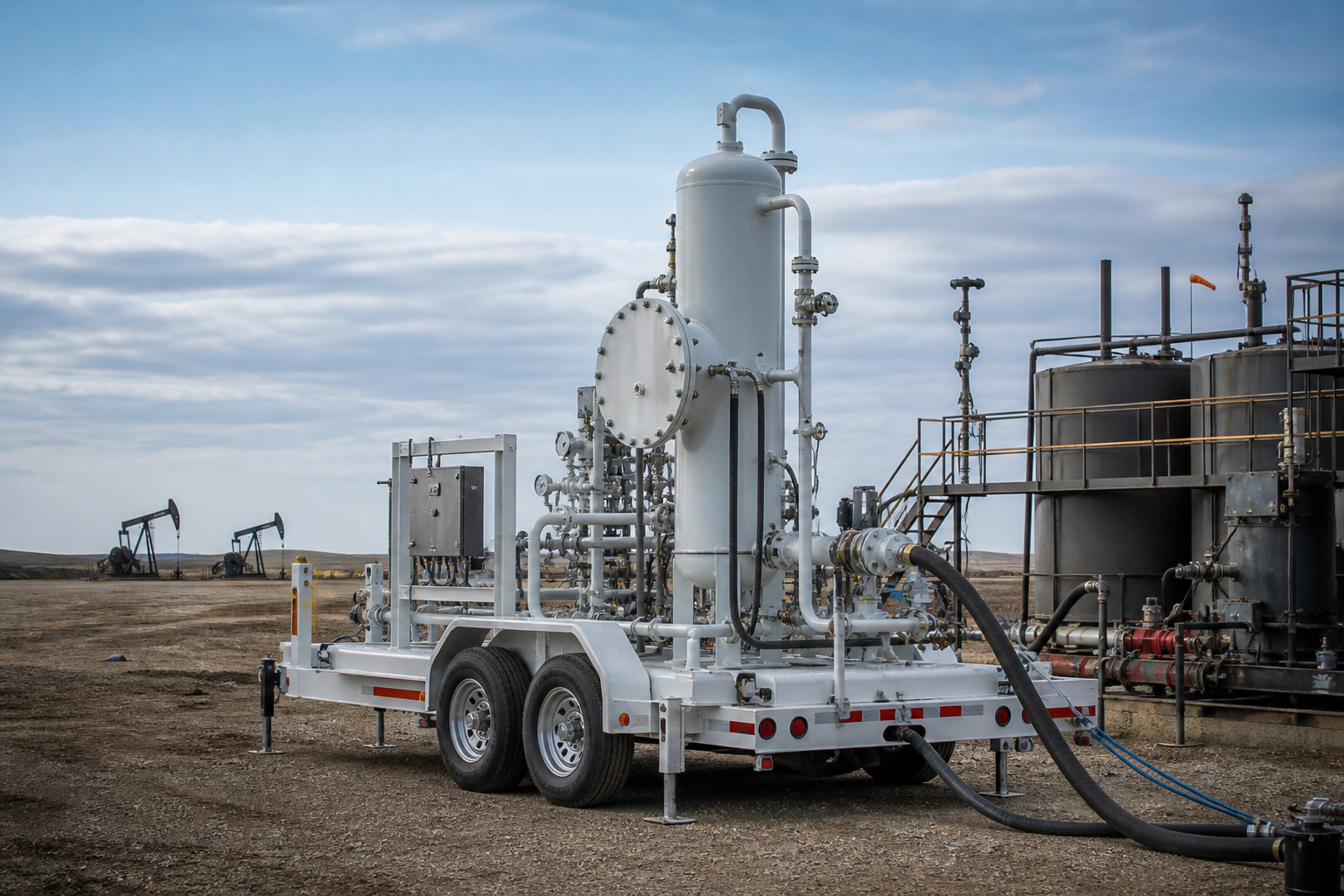
MBO is highly effective in bubble or contact towers for natural gas treating. The scavenger can be used neat or diluted in suitable solvents and circulated or run once-through. It performs well in multiphase flow regimes common in subsea or long-distance pipelines.
Other Applications
MBO is also used in drilling and completion fluids to control H₂S generated by sulfate-reducing bacteria, in produced water treatment, and for fuel oil and refined product storage. Its oil solubility and low water content make it particularly attractive for dry or low-water-cut systems.
Real-World Performance and Case Studies
In a documented Middle East case, 1,380 barrels per day of 36° API crude with 43 ppm H₂S was treated using MBO under challenging conditions of limited mixing and only 1–2 hours total contact time. The scavenger successfully reduced H₂S to 3–5 ppm, meeting the operator’s KPI while consuming less chemical than the previous triazine program.
Multiple field trials in natural gas systems have shown MBO maintaining specification H₂S levels for over 100 hours in contact towers with lower dosage rates than incumbent triazine products. Operators consistently report reduced byproduct deposition and improved corrosion control as additional benefits.
Safety, Handling, and Environmental Considerations
MBO has a more favorable toxicity profile than many triazine formulations, particularly regarding inhalation hazards. Standard personal protective equipment (gloves, goggles, and adequate ventilation) is recommended during handling. The product exhibits good thermal and cold-weather stability, simplifying storage and logistics in remote or extreme environments.
Reaction products are stable and non-toxic under normal conditions. MBO shows good compatibility with most common production chemicals, although site-specific compatibility testing is always advised before full-scale implementation.
Conclusion
MBO (3,3′-methylenebis[5-methyloxazolidine]) represents a mature and high-performing advancement in hydrogen sulfide scavenging technology. Its oxazolidine chemistry delivers superior H₂S uptake, cleaner reaction products, secondary corrosion inhibition, and operational flexibility that addresses many of the limitations associated with traditional triazine scavengers.
With proven performance across crude oil, natural gas, and multiphase applications, combined with commercial-scale manufacturing and favorable economics, MBO is well positioned to become a standard tool in the oil and gas industry’s H₂S management toolkit. Operators seeking to reduce chemical consumption, minimize byproduct issues, and improve overall system integrity should strongly consider MBO as part of their treatment strategy.