Article Content
Dry adsorption using solid media is a proven, simple, and effective technology for flows from tens to thousands of m³/h and moderate H₂S loads. Two dominant adsorbent families are activated carbon (AC) — especially impregnated grades — and FeO-based (iron oxide/hydroxide) media, including traditional iron sponge and modern proprietary formulations like SulfaTreat.
1. Activated Carbon Adsorbents: Structure and H₂S Removal
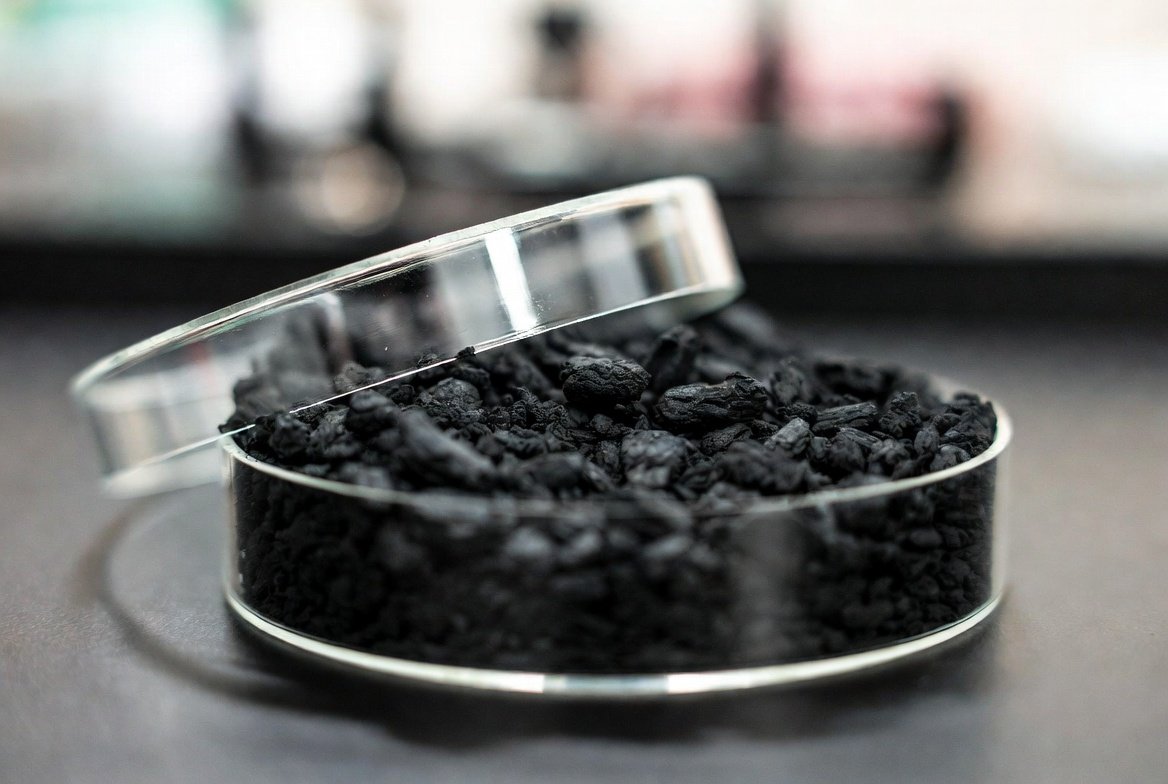
Activated carbon is produced by pyrolyzing and activating carbonaceous precursors (coal, coconut shells, wood, peat) to create a highly porous structure with specific surface areas of 500–1,500 m²/g. Virgin (non-impregnated) AC removes H₂S primarily via physisorption plus limited catalytic oxidation when trace oxygen and moisture are present.
The key reaction is: 2H₂S + O₂ → 2S + 2H₂O
Impregnated AC (with KOH, NaOH, KI, CuO, etc.) enables much stronger chemisorption and converts H₂S into elemental sulfur or sulfates. Impregnation typically increases capacity 6–10× compared to virgin carbon.
Typical Uptake Capacity
- Virgin AC: 0.01–0.1 g H₂S/g (10–20 kg H₂S/m³)
- Impregnated AC: 0.1–0.3 g H₂S/g (120–140 kg H₂S/m³)
2. FeO-Based Adsorbents: Structure and H₂S Removal
FeO-based media use iron oxide (Fe₂O₃) or iron oxyhydroxide (FeOOH) on wood chips, pellets, or granules. They remove H₂S through a true chemical reaction (sulfidation):
2Fe₂O₃ + 6H₂S → 2Fe₂S₃ + 6H₂O
Commercial FeO media achieve very high practical capacities of 0.2–0.6 g H₂S/g (200–710 g H₂S/kg media). They work extremely well in anaerobic conditions (ideal for raw biogas) and are highly selective for H₂S.
3. Head-to-Head Comparison
| Parameter | Virgin AC | Impregnated AC | FeO-Based Media |
|---|---|---|---|
| Mechanism | Physisorption + limited catalysis | Chemisorption + catalytic oxidation | True chemical reaction (sulfide formation) |
| Capacity (H₂S) | 10–20 kg/m³ | 120–140 kg/m³ | 200–710 g/kg (20–40% sulfur) |
| Best H₂S Range | Low (<500 ppm) | Low–medium (up to 3,000 ppm) | Medium–high (50–15,000 ppm) |
| Oxygen Needed? | Yes (trace) | Yes (trace) | No (anaerobic OK) |
| Moisture | 20–30% critical | 20–30% critical | High humidity beneficial |
| Regeneration | Difficult | Limited (fire risk) | Possible (1–3 cycles with air) |
| Selectivity for H₂S | Moderate | Good | Excellent |
| Multi-Contaminant Removal | Excellent | Good | Moderate |
4. When to Use Which Adsorbent
Use FeO-Based Media When:
- H₂S concentration is medium to high (>500–1,000 ppm)
- The gas stream is anaerobic (typical for raw biogas)
- You need maximum capacity and lowest cost per kg of H₂S removed
- High selectivity is important
Use Impregnated Activated Carbon When:
- H₂S concentration is low (<500 ppm)
- You need ultra-low outlet levels (<1 ppm) or polishing
- Multiple contaminants (VOCs, odors, siloxanes) must be removed
- Compact system and easy handling are priorities
Best Practice: Many plants use a hybrid system — FeO media for bulk removal followed by impregnated AC for final polishing. This combination gives the best performance and lowest overall cost.
5. Disposal Considerations
Both spent media contain sulfur compounds and require proper disposal:
- Spent Activated Carbon: Often classified as hazardous waste. Usually landfilled or incinerated.
- Spent FeO Media: Modern products (SulfaTreat, etc.) are frequently non-hazardous and can be landfilled or even land-applied. Older iron sponge can be pyrophoric if not handled correctly.
Conclusion
Activated carbon and FeO-based adsorbents are complementary technologies. FeO offers significantly higher capacity for bulk H₂S removal, especially in anaerobic conditions, while activated carbon excels at low concentrations, multi-contaminant removal, and polishing. The best solution for most biogas and gas treatment applications is often a hybrid approach using both media.
Always evaluate your specific gas composition, H₂S concentration, flow rate, and local disposal regulations before choosing. Pilot testing is highly recommended.