Article Content
Hydrogen sulfide (H₂S) is a highly toxic, corrosive, and environmentally challenging gas commonly encountered in the extraction and processing of Alberta’s oil sands. Steam-Assisted Gravity Drainage (SAGD), the dominant in-situ recovery method for deep bitumen deposits, generates significant quantities of H₂S through high-temperature reactions between injected steam and sulfur-rich bitumen. This article explores the chemistry of H₂S generation in SAGD operations, its distribution across produced phases, its operational and processing impacts, and the technologies used for its safe management and removal. With global heavy oil reserves exceeding seven trillion barrels and Alberta’s oil sands alone holding 1.8 trillion barrels, understanding and controlling H₂S is critical for safe, sustainable production.
Introduction to Oil Sands, SAGD and the H₂S Challenge
SAGD involves drilling paired horizontal wells: steam is injected into the upper well to heat the bitumen, reducing its viscosity from thousands of centipoise to a flowable state, while the lower well collects the mobilized bitumen and condensed steam (produced water). Operating steam temperatures typically range from 200–260°C at pressures of 1,000–5,000 kPa. While highly effective, these conditions trigger chemical reactions known as aquathermolysis, releasing acid gases including H₂S and CO₂.
H₂S, often called “sour gas,” poses severe health risks (lethal at concentrations above 700 ppm), corrodes pipelines and equipment, and triggers strict regulatory limits on emissions in Alberta. Produced gas from SAGD facilities frequently requires sulfur recovery before reuse as fuel, adding capital and operating costs. Accurate prediction and management of H₂S volumes are essential for facility design, safety protocols, and environmental compliance.
How H₂S Is Generated in SAGD Processes
H₂S generation in SAGD is primarily driven by aquathermolysis—the reaction of bitumen with hot steam condensate—and, to a lesser extent, thermolysis at higher temperatures. Athabasca bitumen contains 4–5.5 wt% sulfur, mostly bound in organic compounds such as thiols, sulfides, thiophenes, benzothiophenes, and dibenzothiophenes concentrated in the asphaltene and resin fractions.
Laboratory aquathermolysis experiments and reservoir simulations show that H₂S production begins noticeably above 200°C and rises sharply above 235°C. Below ~240°C, aquathermolysis dominates: steam hydrolyzes C–S bonds in sulfur-rich asphaltenes, releasing H₂S, CO₂, and lighter hydrocarbons. Above 240°C, thermolysis (thermal cracking via free-radical pathways) becomes significant. Thermochemical sulfate reduction (TSR) can also contribute if sulfate-rich formation water is present, converting sulfates to H₂S at temperatures as low as 120°C, with rapid conversion (up to 95%) at 300°C.
Key reaction zones occur at the steam chamber edges and bottom, where heat, liquid water (condensate), and bitumen coexist in optimal proportions. Models incorporating seven parallel aquathermolysis reactions (pseudo-components) predict H₂S yields directly proportional to steam temperature and bitumen sulfur content. Field data from SAGD projects confirm this temperature dependence: higher steam quality or pressure increases H₂S production. Asphaltenes are the dominant sulfur source; their degradation also leads to in-situ upgrading effects, with lighter saturates separating from heavier residues.
Typical H₂S generation rates in commercial SAGD range from a few to tens of cubic meters per barrel of bitumen, depending on operating conditions and reservoir heterogeneity. Minimizing generation is possible by maintaining steam temperatures below 200–225°C where practical, though local hot spots can still trigger reactions.
Where Does H₂S Occur? Distribution in Produced Fluids
H₂S does not originate from pre-existing reservoir gas but is generated in situ within the SAGD steam chamber. Once formed, it partitions among three phases in the produced fluids:
- Gas phase: The majority reports to the non-condensable gas stream (along with CO₂, CH₄, and light hydrocarbons). Produced gas volumes increase over the life of the project as the steam chamber grows.
- Oil (bitumen) phase: H₂S dissolves in the mobilized bitumen, especially at higher temperatures. It can remain dissolved until pressure drops or during surface handling.
- Water phase: Significant amounts dissolve in the produced water (emulsion) due to its high solubility in hot condensate. Produced water-to-oil ratios often exceed 2:1 in SAGD, making water treatment a major H₂S management vector.
At surface facilities, the three-phase emulsion is separated in free-water knockouts, treaters, and diluent addition steps. H₂S concentrations in gas can reach several percent, while water and oil phases require stripping or scavenging to prevent carry-over and corrosion downstream.
Impacts of H₂S on Bitumen Processing and Operations
H₂S significantly complicates bitumen handling and upgrading:
- Corrosion and integrity: H₂S causes sulfide stress cracking and pitting in carbon steel pipelines, vessels, and heat exchangers. Produced water with dissolved H₂S is particularly aggressive at elevated temperatures.
- Safety and toxicity: Even low levels (10–30 ppm) cause rapid olfactory fatigue; higher concentrations are immediately dangerous. Rigorous H₂S monitoring, personal protective equipment, and emergency planning are mandatory.
- Environmental and regulatory: Alberta regulations limit H₂S emissions and require sulfur recovery from acid gas streams. Untreated combustion of sour gas produces SO₂, contributing to acid rain and air-quality issues.
- Bitumen quality and upgrading: Dissolved H₂S in dilbit can lead to off-spec product, requiring additional sweetening before pipeline transport. In upgraders, sulfur must be removed via hydrodesulfurization, increasing hydrogen demand and costs. H₂S generation also slightly upgrades the bitumen in situ by reducing asphaltene content, but the gas itself must still be managed.
- Operational efficiency: Over- or under-estimating H₂S volumes affects sulfur plant sizing, amine circulation rates, and overall facility economics. High H₂S can limit steam injection rates or require costly mitigation.
In extreme cases, H₂S carry-over into storage tanks or loading operations creates vapor-phase hazards, similar to challenges observed in asphalt production from bitumen residues.
How H₂S Is Managed: Technologies for Removal
Effective H₂S management combines reservoir-level strategies, surface treatment, and regulatory compliance.
In-Situ Approaches
Recent research demonstrates potential for in-situ Claus reaction scavenging: co-injection of small amounts of SO₂ with steam converts H₂S to liquid elemental sulfur within the reservoir, reducing surface emissions. This elegant approach leverages the same chemistry used in surface Claus plants but occurs downhole.
Operating parameter optimization—lower steam temperatures and pressures—can also minimize generation without sacrificing recovery.
Surface Facilities: Gas Treatment
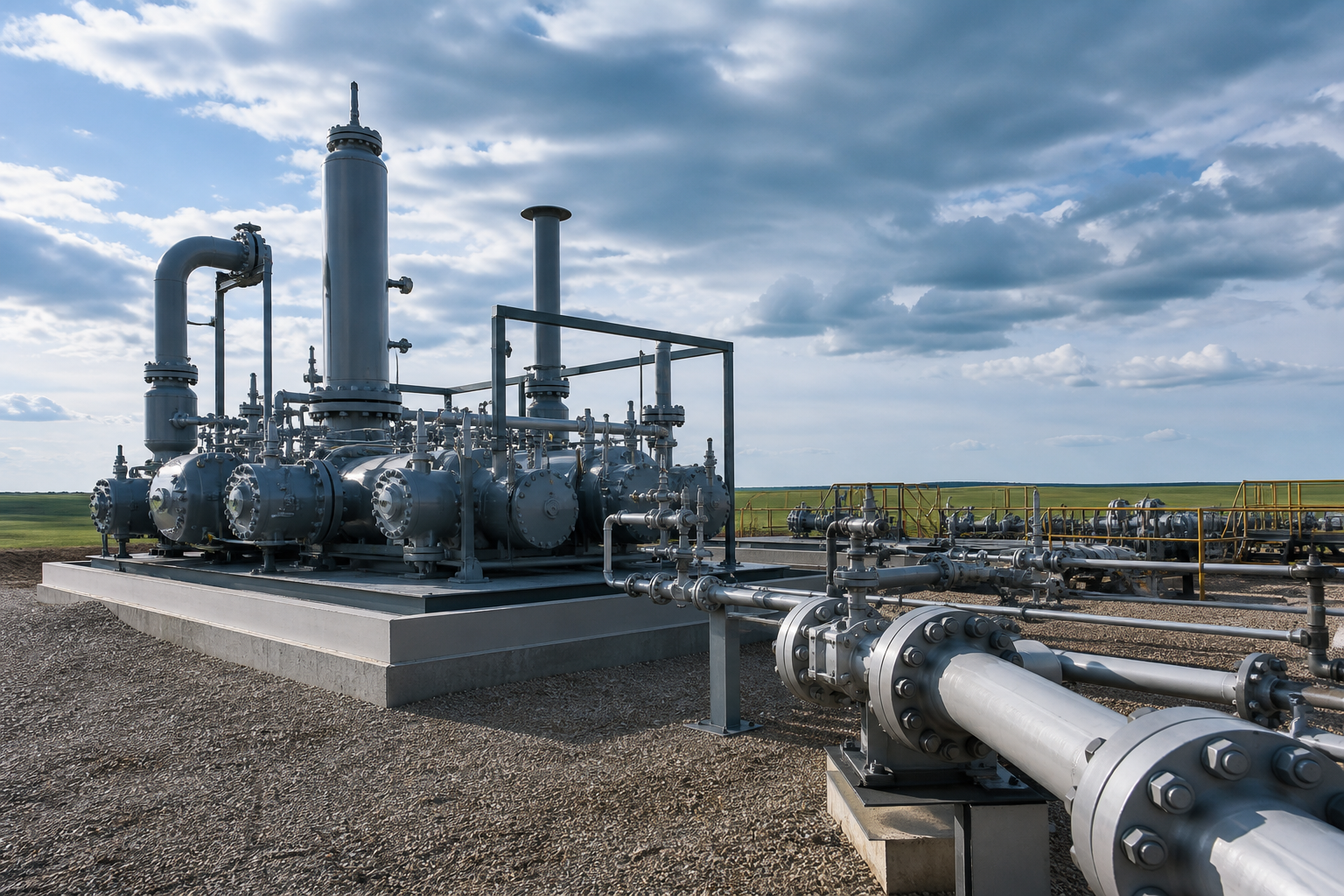
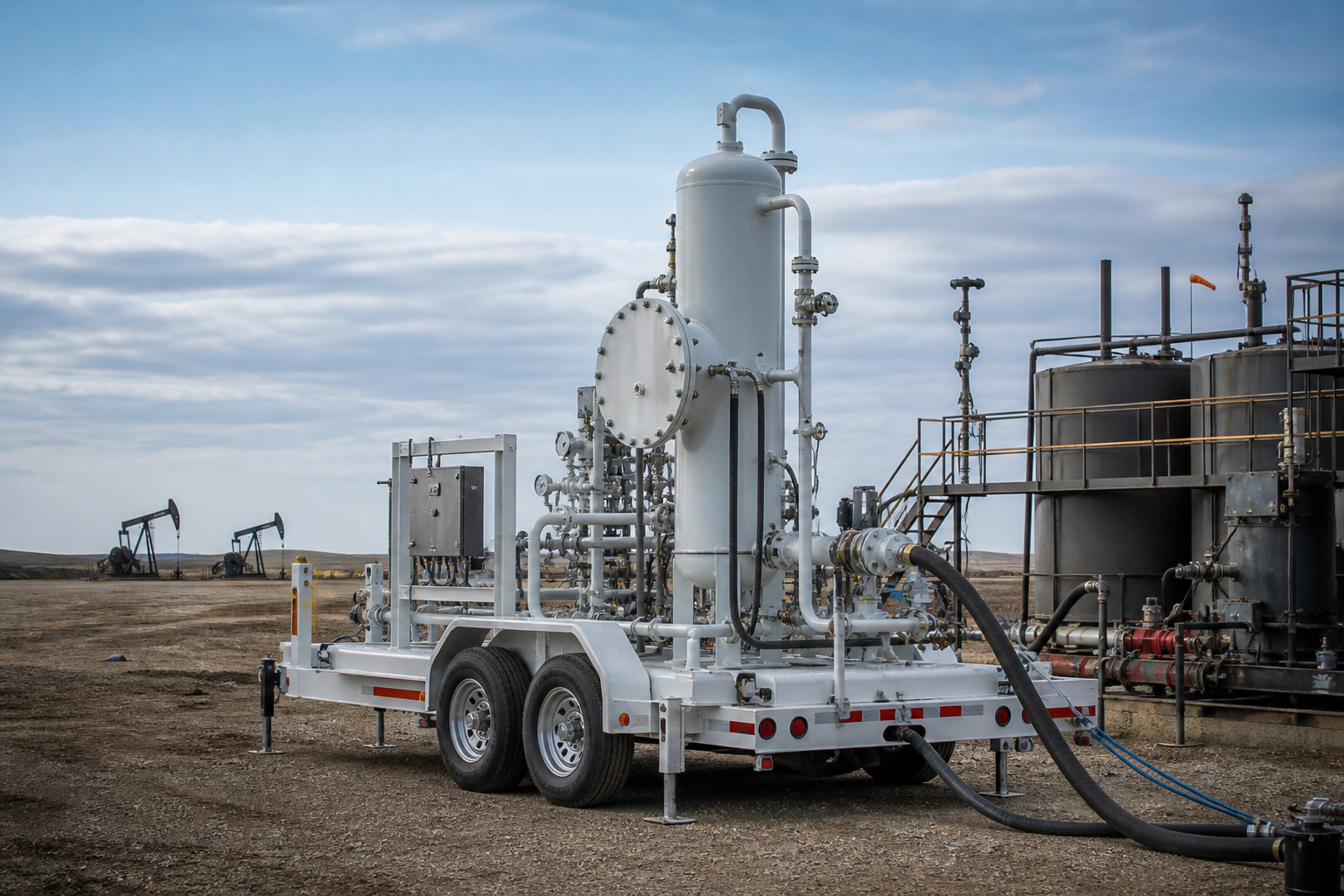
The primary technology for produced gas is amine gas sweetening (also called amine scrubbing). Aqueous solutions of alkanolamines (e.g., MEA, DEA, MDEA) selectively absorb H₂S and CO₂ in an absorber tower. The “rich” amine is regenerated by heating in a stripper, releasing concentrated acid gas. Sweetened gas meets pipeline or fuel specifications (<4 ppm H₂S typical).
The acid gas stream (high H₂S content) is then processed in a Claus sulfur recovery unit (SRU). The Claus process involves partial combustion of H₂S to SO₂, followed by catalytic reaction of H₂S and SO₂ to form elemental sulfur:
2H₂S + O₂ → 2S + 2H₂O (simplified). Recovery efficiencies exceed 95–99% in modern two- or three-stage units. Tail gas is treated in SCOT or similar processes for ultra-low emissions.
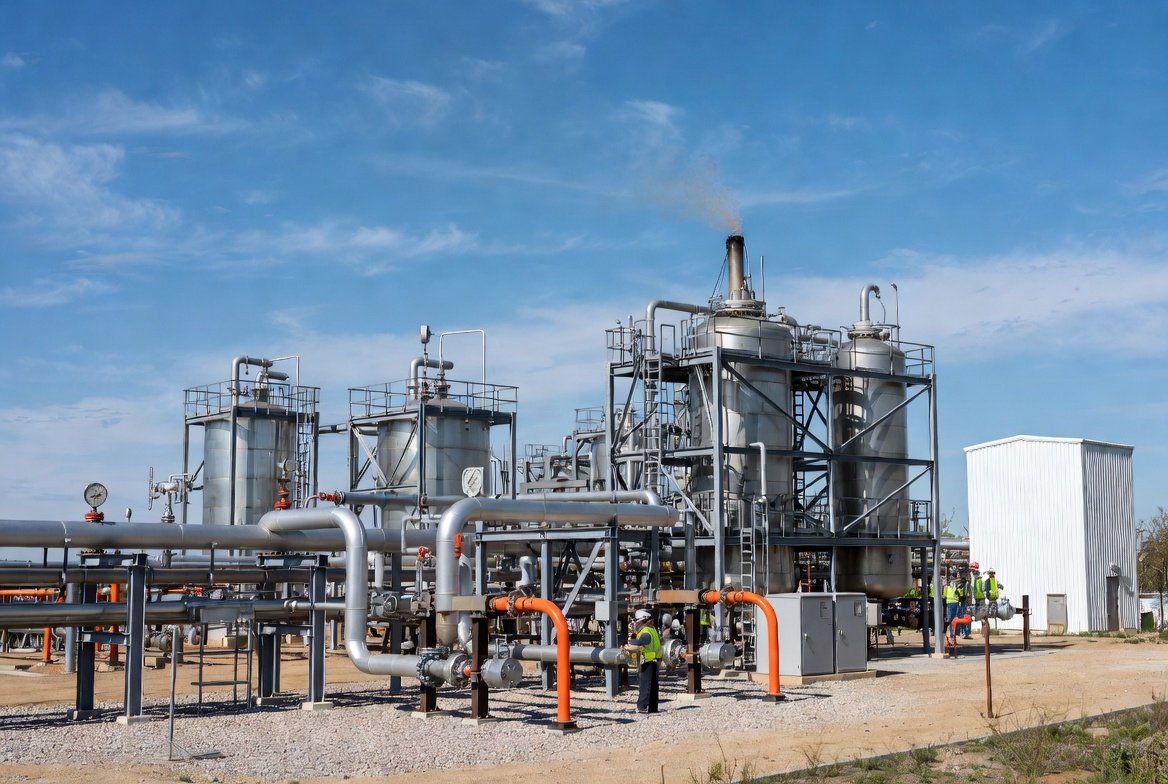
Many SAGD facilities (e.g., Cenovus Christina Lake and Foster Creek) integrate amine treaters and Claus plants, using produced gas as fuel after sweetening.
Produced Water and Oil Treatment
Produced water undergoes de-oiling, evaporation, and recycle. Dissolved H₂S is removed via stripping, chemical oxidation, or non-regenerable scavengers (e.g., triazine-based or metal-based). Oil-phase H₂S is managed with diluent addition, mechanical stripping, or scavengers during transport.
For low-volume or intermittent streams, liquid scavengers or solid-bed adsorbents (e.g., iron sponge) provide cost-effective polishing.
Monitoring and Regulations
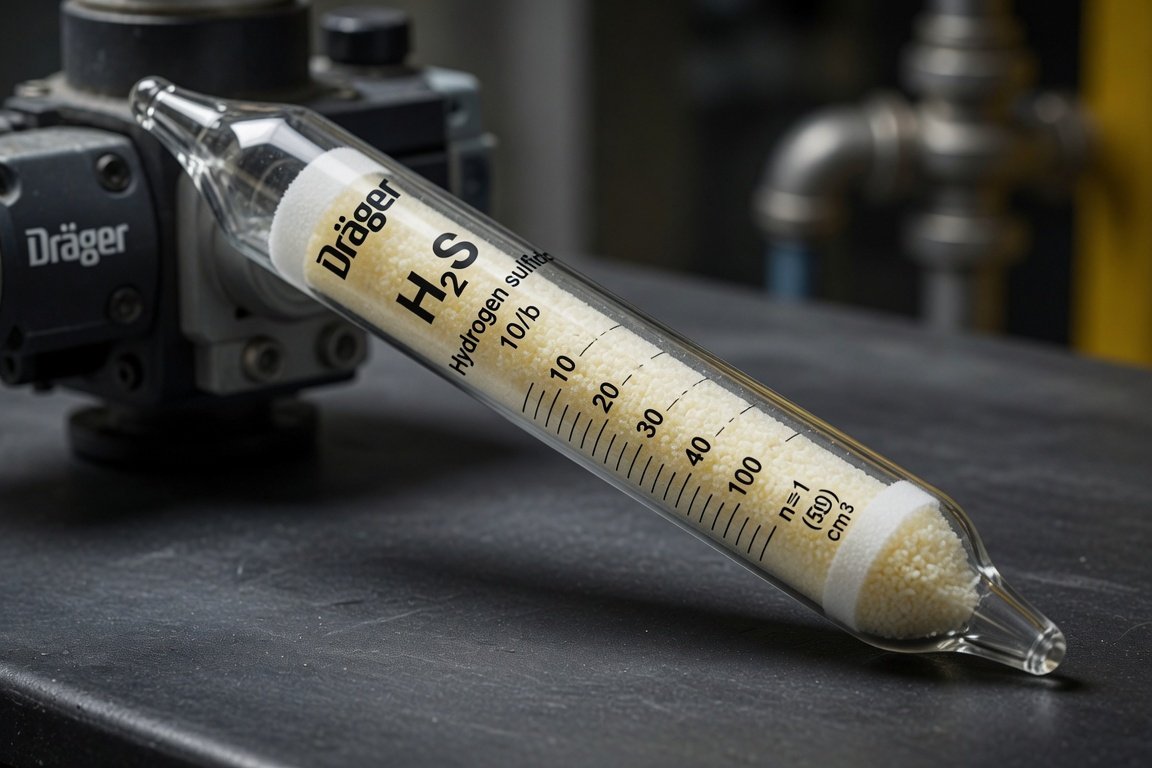
Continuous H₂S analyzers, personal monitors, and automated shutdown systems are standard. Alberta Energy Regulator (AER) directives mandate H₂S prediction models, emission reporting, and sulfur management plans for all SAGD projects.
Case Studies and Industry Trends
Commercial SAGD operators have successfully integrated H₂S management into large-scale facilities. Projects routinely handle thousands of tonnes of sulfur annually through dedicated SRUs. Innovations include hybrid solvent processes, improved amine formulations for selective H₂S removal, and digital twins for real-time H₂S forecasting based on steam chamber temperature profiles.
Future directions emphasize lower-carbon SAGD variants (e.g., solvent-assisted SAGD or eMSAGP) that may reduce steam demand and, consequently, H₂S generation. In-situ upgrading and advanced scavenging could further minimize surface treatment requirements.
Conclusion
H₂S generation via aquathermolysis is an inherent feature of SAGD bitumen recovery due to the sulfur-rich nature of oil sands and the high-temperature steam environment. By understanding its formation at steam chamber edges, partitioning into gas/oil/water phases, and deploying proven technologies—amine sweetening, Claus sulfur recovery, and targeted scavengers—operators can mitigate safety, corrosion, and environmental risks while maintaining economic viability.
As oil sands production scales, continued innovation in H₂S prediction, in-situ control, and efficient removal will be vital to responsible development of this vast resource. Effective management not only protects workers and infrastructure but also supports the transition toward lower-emission energy solutions.