Article Content
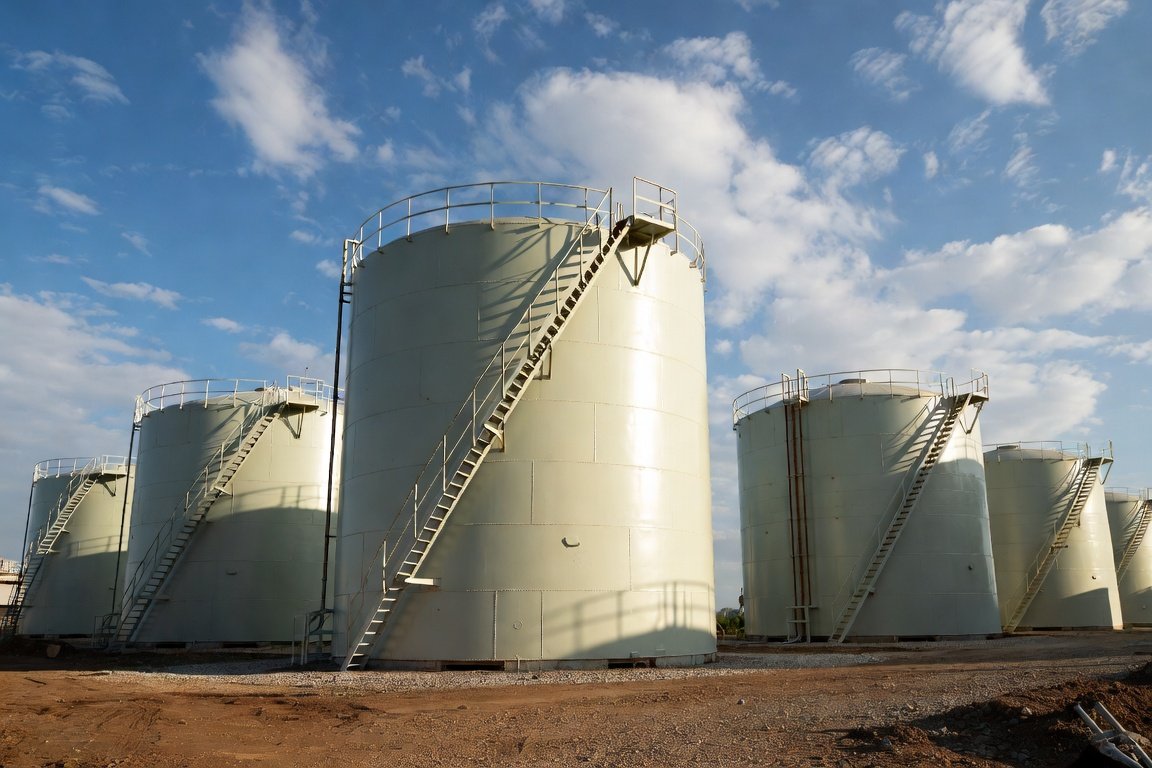
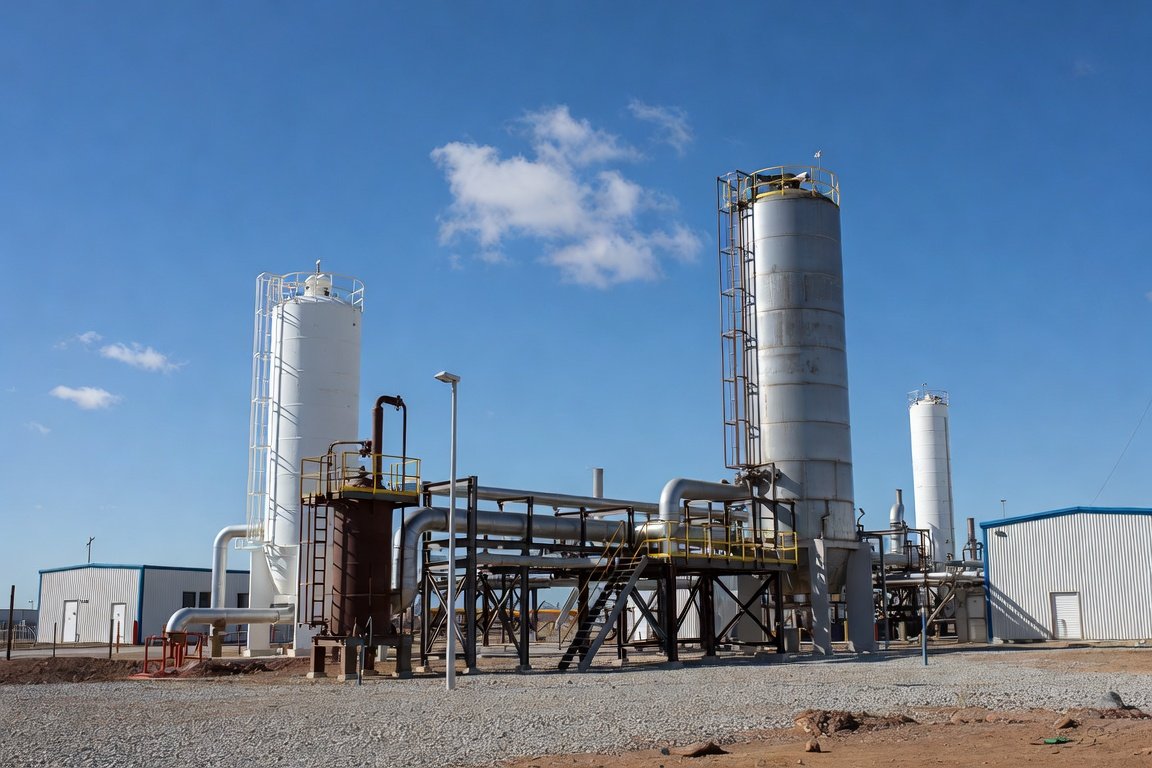
A well test and a flowback are the periods when H2S is least predictable and the treating equipment is least permanent. The reservoir may be sour, the completion fluid may have picked up sulfide, and the gas rate can swing from a trickle to a full choke opening in an hour. Permanent amine plants and fixed scavenger skids are not on location. What is on location is a test separator, a flare, a few tanks, and whatever temporary treating was mobilized before the well was opened.
That temporary package is the difference between a clean test and a shut-in. Pipeline specs, flare sulfur limits, and occupational exposure rules all apply on day one, before anyone knows the stabilized H2S number. The design has to cover the uncertainty, not the average.
Where the H2S Comes From in a Test
Four sources show up, often in sequence rather than all at once.
Reservoir gas is the obvious one. A sour zone, or a sweet zone in contact with a sour zone, puts H2S in the associated gas as soon as the well is brought on. The concentration on the first gas may not match the concentration after clean-up, because early gas can be dominated by near-wellbore fluid or by gas that has been in contact with drilling and completion chemicals.
Completion and workover fluids are the second. Spent acid, packer fluid, and circulated mud can carry dissolved sulfide or can generate it if sulfate-reducing bacteria were active in the pit. When that fluid hits the test separator, the gas phase takes a share of the sulfide and the water phase keeps the rest. A gas-only scrubber misses the water.
Flowback of frac fluid is the third. Slickwater and crosslinked systems are not sterile. If the fluid sat in tanks, and if sulfate and organic carbon were present, bacteria can sour it before it ever goes downhole. The first water back can then be richer in sulfide than the formation water that follows.
Iron sulfide and scale dissolution are the fourth. Acid spearheads and low-pH clean-up dissolve iron sulfide that was already on tubulars or in the near-wellbore. The sulfide reports as H2S when the pH rises again in the separator. A well that was expected to be sweet can read sour for the first day of clean-up and then fall.
The practical consequence is that the H2S number used to size the package should be the highest credible number for the first 48 to 72 hours, not the number on the geological prognosis for stabilized flow.
What Has to Be Protected
Three streams leave a typical test package, and each has its own limit.
Sales or fuel gas, if any is being taken, has a pipeline or engine limit, often a few ppm. Most tests do not sell gas. They flare it or pipe it a short distance to a temporary line. The flare still has a sulfur dioxide implication once the H2S burns, and some jurisdictions cap the H2S or the total sulfur that can be flared without additional controls.
The oil leg goes to test tanks. Dissolved H2S in that oil becomes a headspace problem when the tank is gauged or when a truck loads it. The same rules that apply at a production battery apply here, with less infrastructure and more turnover.
The water leg goes to a tank, a pond, or a disposal truck. Dissolved sulfide in that water will off-gas when the fluid is agitated or warmed. A sour water truck that was loaded without a vapor hose is an exposure event, not a logistics detail.
Personnel exposure sits over all three. Test separators, choke manifolds, and open tanks are close together on a small lease. A release at the choke is not far from the people reading the orifice meter.
Temporary Treating Options
The package has to be mobilizable, tolerant of rate swings, and removable when the test ends. That narrows the list.
A trailer-mounted gas scrubber is the default for the gas leg. Liquid scavenger in a bubble column or a static mixer, or a solid adsorbent bed, can take the associated gas from the separator to a flare or a temporary line. Size it on the maximum expected gas rate and the high H2S case, and give it turndown. A unit that is perfect at 2 MMscfd and floods at 0.3 MMscfd will fail during clean-up.
Direct injection of scavenger into the flowline upstream of the separator treats gas and liquid together, at the cost of spending chemical on all three phases. It is useful when the gas rate is modest and a contactor cannot be set before the well is opened. Injection has to be upstream of enough pipe or a mixer to give contact time. A quill at the separator inlet is often too late.
Oil-phase batch or continuous scavenger belongs on the oil tanks if the liquid assay is the constraint. Circulate. A dose poured into a static test tank treats the surface.
Water-phase scavenger or oxidant belongs on the water tanks and on any truck loading. Peroxide or a controlled triazine dose can hold dissolved sulfide down before the fluid is hauled. Confirm the disposal well or the receiving facility will take the spent chemistry.
Adsorbent beds suit steady, moderate gas rates and low liquids. They do not like slugs of water or condensate. On a flowback, a knockout and a coalescer ahead of the bed are not optional.
| Method | Best stream | Weakness on a test | Mobilization |
| Trailer gas scrubber | Separator gas to flare or line | Turndown and liquid carryover | Strong |
| Flowline scavenger injection | Multiphase, ahead of the separator | Contact time, chemical on all phases | Strong |
| Oil-soluble scavenger in test tanks | Crude liquid specification | Needs circulation | Strong |
| Water scavenger or oxidant | Flowback water and trucks | Disposal acceptance of spent fluid | Strong |
| Adsorbent bed | Clean, steady gas | Slugs and condensate | Fair |
Rate, Pressure, and the First Day
Tests are sized on a forecast. The first day rarely matches it. A well that unloads completion fluid for six hours at low gas rate, then comes in at full choke, will send a liquid slug and then a gas spike through equipment that was stable an hour earlier.
The scrubber and the separator need a liquid-handling path for that slug. A high-level shutdown that dumps sour liquid to an open tank is not a control. It is a transfer of the problem. Knockout capacity, a liquid boot, and a routed drain to a closed tank are part of the H2S design, not a separator detail.
Pressure matters for the chemistry and for the mechanical rating. Scavenger kinetics and absorbent capacity change with pressure. A bed or a bubble column rated for low-pressure separator gas is not automatically suitable at wellhead pressure. Confirm the MAWP against the highest pressure the package can see, including a blocked outlet, and confirm the metallurgy if the H2S partial pressure puts the equipment in sour service.
Temperature on a flowback can be low. Cold oil and cold scavenger slow the reaction and, with some triazines, raise the risk of solids. A formulation that worked at 40 C in a lab at the office may under-perform at 10 C on a winter test in Alberta. Ask for the low-temperature case before the tote is loaded.
Monitoring That Survives a Test
A single tube at the flare stack at the end of the day is not monitoring. Useful points are separator gas, scrubber outlet, oil tank headspace, and water tank headspace. On a short test, a portable meter or a detector tube on a schedule is enough, provided the schedule includes the moment the well is opened, the moment the first oil hits the tank, and the moment a truck loads.
Record rate, choke, and fluid cut with the H2S number. A 40 ppm reading at 0.5 MMscfd does not predict the reading at 3 MMscfd. If the scrubber outlet climbs while the inlet is steady, the bed is loading or the liquid scavenger is spent. Change it before breakthrough, not after the flare limit is exceeded.
Personal monitors on the lease are the exposure backstop. They do not replace a scrubber. Place them where people stand: at the choke, at the separator, and at the tank stairs. H2S is heavier than air. A monitor on a post at chest height can miss a release that pools at the berm.
Flare and Regulatory Limits
Flaring a sour test stream is often allowed within volume and H2S limits, and often not allowed once those limits are crossed. Know the limit before the well is opened. If the prognosis is close to the threshold, mobilize treating rather than plan to curtail. Curtailing a clean-up because the flare permit was exceeded wastes the test and can damage the completion.
In Alberta, H2S content feeds the emergency planning zone and the well classification. A test on a well that was licensed as sweet, and that then flows sour, is not a paperwork footnote. It changes notification, setback, and how the rest of the test is run. Treat the first confirmed sour reading as a trigger to re-check the plan, not as a number to average away.
Fluids, Bacteria, and the Pit
Completion fluid and frac tanks are part of the H2S system whether or not anyone labeled them that way. Fluid that sits for days with sulfate and polymer can grow sulfate-reducing bacteria. The first flowback is then sour because of the pit, not because of the reservoir.
Biocide in the fluid on the way down reduces that risk. It does not remove sulfide already formed. If the pit or the tanks already smell, treat the fluid before it is pumped, or expect to treat the flowback harder than the prognosis suggested. Keep the storage tanks closed. An open frac tank is both an exposure point and an oxygen path that does not reliably stop sulfate reduction in the bulk fluid.
A Package That Covers the Uncertainty
For a sour or uncertain test, the minimum set that holds up is short.
- A gas scrubber or injection point upstream of the flare, sized on the high rate and the high H2S case, with turndown for clean-up.
- Knockout and a closed drain so liquid slugs do not carry H2S to an open tank.
- Scavenger for the oil tanks if a liquid specification or a truck movement is planned, with a way to circulate.
- Scavenger or oxidant for the water tanks and for any truck loading.
- Meters or tubes on separator gas, scrubber outlet, and tank headspace, read at the transitions, not only at the end of the day.
That set is a trailer, a tote, and a discipline about when the numbers are taken. It is not a gas plant. It is also not optional once the prognosis admits a sour case.
| Decision | If yes | If no |
| Prognosis above about 50 ppm, or unknown | Mobilize gas treating before opening | Still sample the first gas and be ready to add treating |
| Oil will be trucked or sold from test tanks | Plan liquid scavenger and circulation | Headspace control may be enough |
| Water will be hauled | Treat water and use a vapor hose | Confirm the on-site tank is closed and monitored |
| Winter or cold-fluid test | Confirm scavenger performance at low temperature | Standard formulation is usually fine |
| Flare H2S limit is tight | Size the scrubber on the limit, not on the average | Still size on the high case for exposure |
What to Settle Before the Well Is Opened
Three questions sort most tests. What is the highest H2S number the package must handle on the first day, not the stabilized forecast. Where does each stream go, and what limit applies at that destination. And who changes the scrubber or the tote when the outlet number moves, at night, on a weekend. A test plan that cannot answer those three will discover the gap when the choke is already open.
Hydrogen sulfide on a well test is a short-duration, high-uncertainty problem. Treat it with equipment that can arrive before the well is opened, sized for the high case, and watched at the moments the rate and the fluid cut change. The stabilized number can wait. The first gas cannot.