Article Content
Biogas plant operators and renewable natural gas (RNG) producers continue to face a critical challenge in 2026: hydrogen sulfide (H₂S). This corrosive and toxic gas can damage equipment, corrode engines, fail strict pipeline specifications (typically <4 ppmv), and reduce overall system efficiency. With RNG demand growing due to renewable energy incentives and stricter emissions standards, selecting an effective and economical H₂S removal method is essential for maximizing project profitability.
This 2026 guide provides an objective, side-by-side comparison of the leading H₂S removal technologies for biogas — including scavengers, adsorbents, biological processes, and redox systems. It includes updated cost estimates (OPEX per kg H₂S removed), efficiency ratings, pros/cons, and practical decision factors based on recent industry data and operator experiences.
Why Effective H₂S Removal Is Critical for RNG in 2026
Pipeline injection standards remain stringent, often requiring H₂S levels below 4 ppmv to avoid corrosion and meet quality specs. RNG prices in the $25–35/MMBtu range mean that even small increases in operating costs can significantly impact ROI. Raw biogas from anaerobic digestion typically contains 500–5,000 ppmv H₂S (higher in some landfill or wastewater sources), so the right technology depends on gas flow rate, inlet concentration, plant scale, and whether the priority is low upfront capital or minimal long-term OPEX.
2026 Comparison: Key H₂S Removal Methods for Biogas
The table below summarizes the main technologies based on 2025–2026 field data and industry benchmarks from RNG facilities.
| Method | CAPEX | OPEX ($/kg H₂S removed) | Efficiency | Regenerable? | Best Suited For |
|---|---|---|---|---|---|
| Liquid Chemical Scavengers (e.g., Triazine-based or Non-Triazine Formulations) | Low | $6–14 | >99% | No | Small to medium flows (<1,000 scfm), variable H₂S loads |
| Iron Oxide-Based Adsorbents (Iron Sponge / FeO Media) | Medium | $2–6 | 95–99% | No (spent media disposal required) | Medium H₂S loads, cost-focused operations |
| Biological Desulfurization (Biotrickling Filters / Bioscrubbers) | Medium-High | $1–4 | 90–98% | Yes | Large, steady-flow plants (>2,000 scfm) |
| Liquid Redox Systems (e.g., Chelated Iron Processes) | High | $2–7 | >99% | Yes (produces elemental sulfur) | High inlet H₂S (>3,000 ppm), very low outlet requirements |
| Activated Carbon (Caustic-Impregnated or Specialty) | Low-Medium | $8–15 | >99% | No | Low-H₂S polishing or final cleanup step |
Cost ranges are approximate and drawn from 2025–2026 operator reports, literature, and industry sources. Actual values vary with local disposal fees, chemical prices, gas composition, and scale. Biological and redox methods often benefit from regeneration, lowering long-term costs for suitable applications.
Deep Dive: Top H₂S Removal Technologies for Biogas in 2026
1. Liquid Chemical Scavengers
These involve direct injection of chemicals (such as triazine-based or alternative non-triazine formulations) into the gas stream, typically via contactors or bubble columns. They offer quick setup, high removal rates, and flexibility for fluctuating conditions. However, they generate non-regenerable waste and higher per-kg costs at scale. Recent formulations aim to reduce environmental impact and disposal issues. For a detailed comparison of common liquid scavenger types, see MEA Triazine vs MMA Triazine vs Non-Triazine H₂S Scavengers.
2. Iron Oxide-Based Adsorbents
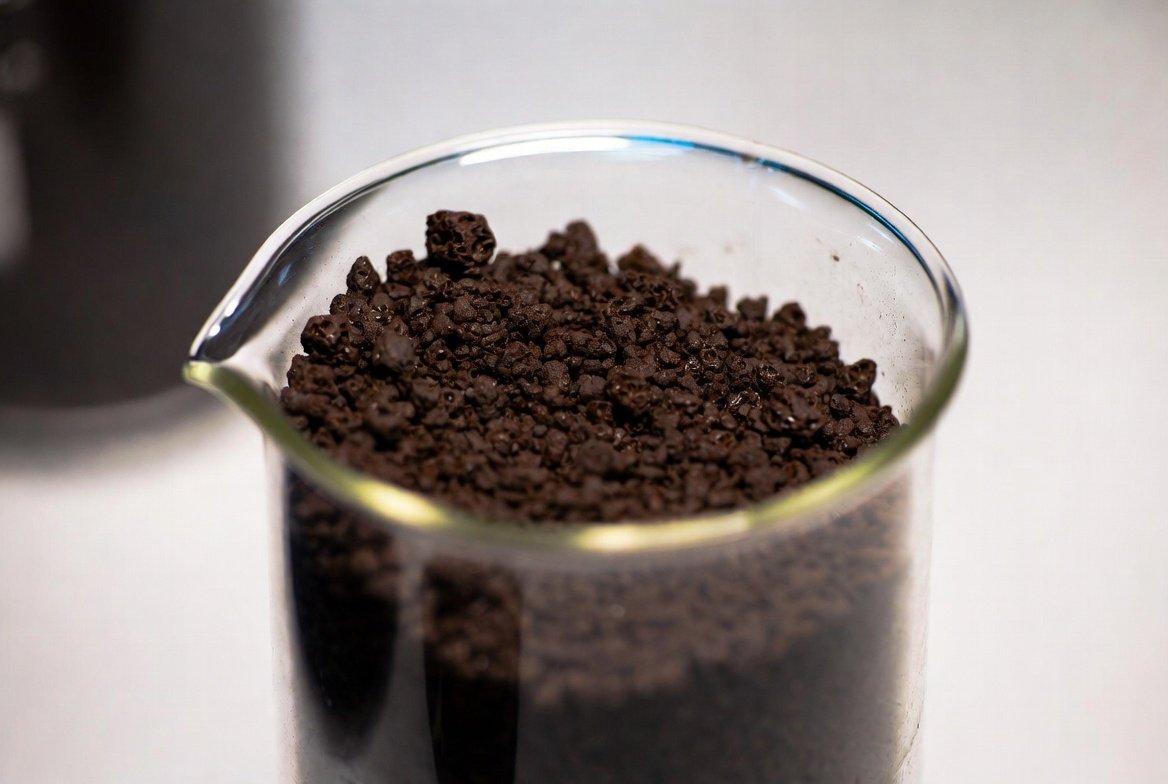
Also known as iron sponge, these solid media react with H₂S to form iron sulfides. They remain popular for medium-load applications due to relatively low OPEX after initial setup and straightforward media replacement. Drawbacks include disposal of spent media (increasingly regulated) and sensitivity to moisture/oxygen levels in biogas. For cost-focused insights on these vs liquid options, refer to H2S Scavenger Cost Comparison: Triazine vs Iron-Based Adsorbents.
3. Biological Desulfurization
Bacteria (often Thiobacillus species) oxidize H₂S to elemental sulfur in biotrickling filters or bioscrubbers, usually with controlled air/oxygen addition. This method offers the lowest ongoing costs for large, consistent flows and produces a potentially valuable sulfur byproduct. It requires stable operating conditions and may need a polishing step for ultra-low specs.
4. Liquid Redox Systems
These use chelated iron or similar catalysts to oxidize H₂S to elemental sulfur in a regenerable liquid loop. They excel at high inlet concentrations and achieve very low outlet levels with minimal chemical makeup. While CAPEX is higher, regeneration keeps long-term costs competitive, and the sulfur byproduct can sometimes be marketed.
Quick Decision Framework for 2026 Projects
- Low H₂S (<1,000 ppm) and small flow (<800 scfm) → Liquid scavengers or impregnated activated carbon for simplicity and low upfront cost.
- Moderate H₂S (1,000–4,000 ppm) and medium flow → Iron oxide adsorbents or biological systems (often with polishing) for balanced cost-efficiency.
- High H₂S (>4,000 ppm) or strict specs (<1–4 ppm) → Liquid redox or hybrid biological + adsorbent setups for reliability and low OPEX at scale.
- Focus on sustainability and minimal waste → Prioritize regenerable biological or redox methods that produce elemental sulfur instead of hazardous solids.
Example Cost Impact from Real Facilities
In recent wastewater-to-RNG projects (flows ~500–1,000 scfm, inlet H₂S 2,000–7,000 ppm), switching from basic scavengers to hybrid biological + media polishing reduced annual treatment costs by 30–50% while maintaining pipeline compliance. For larger landfill-gas facilities, biological or redox systems often deliver the lowest lifecycle costs due to regeneration and reduced disposal needs.
Final Thoughts on Optimizing H₂S Removal
The best H₂S removal strategy in 2026 balances upfront investment, ongoing OPEX, disposal/regulatory compliance, and operational reliability. Site-specific factors — gas flow variability, inlet concentration, local disposal costs, and RNG quality requirements — should guide the final choice. Many operators now conduct detailed modeling and pilot testing to compare options before full implementation.
For broader overviews of H₂S removal approaches across industries (including biogas-relevant insights), explore additional resources such as the Top 5 H2S Removal Methods for Oil and Gas or visit the full blog archive at fklaz.com/blog.
Staying informed on evolving technologies and cost trends helps biogas facilities remain competitive in the growing RNG market. For the latest benchmarks and case studies, consult industry reports from organizations like the American Biogas Council, EPA LMOP, or peer-reviewed publications on biogas upgrading.