Article Content
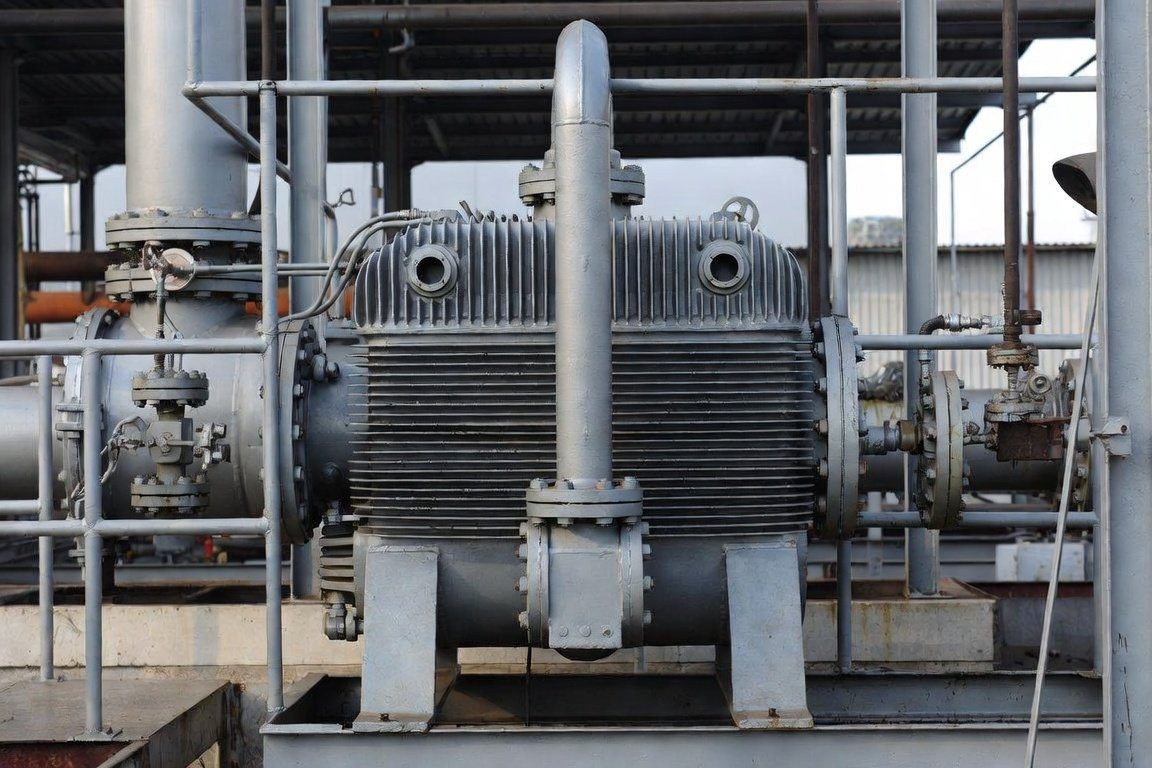
A sales-gas specification and a fuel-gas specification are not the same number. Pipeline gas can leave a plant at a few ppm of H2S and still wreck an engine if the fuel skid is fed from a different header, a bypass, or a well that sours after the plant was designed. Gas engines and reciprocating compressors see that fuel in the combustion chamber, in the oil, and in the exhaust. The damage shows up as bearing wear, ring sticking, and an exhaust that fails a permit, not as a pipeline odor complaint.
Most of the chemistry is familiar. The constraint is the machine. A fuel-gas H2S limit is set by the engine builder, the oil, and the emissions permit. It is often tighter, and always more local, than the number on the sales meter.
Why Fuel Gas Is a Separate Problem
Fuel gas on a battery or a compressor station is frequently taken from the richest, least-treated stream available. That can be raw solution gas, gas upstream of the amine unit, or gas from a header that was sweet when the station was built. A plant upset, a well that sours, or a VRU that recycles tank vapour can push H2S into that header without anyone changing the sales-gas treating.
The volume is small compared with sales gas, which makes it look unimportant. It is not. A few hundred thousand standard cubic feet a day at 50 ppm is enough to sulfate an engine oil and pit a valve guide. Because the stream is small, the fix is usually a local scrubber or a solid bed, not a second amine plant.
Intermittent use makes it worse. An engine that starts and stops, or a compressor that loads and unloads, sees cold starts on gas that has been sitting in a fuel header. Condensed liquids in that header carry dissolved H2S and drop it into the regulator and the carburetion or the fuel valve. A dry-gas number at the header does not describe what the engine sees after a liquid slug.
What H2S Does to the Machine
In the combustion chamber, H2S burns to sulfur dioxide and then to sulfur trioxide if oxygen and temperature allow it. With water from combustion, that becomes sulfuric acid in the exhaust and in any cool spot where exhaust condenses. Valve guides, exhaust stacks, and waste-heat boilers see the acid. The engine builder’s fuel-gas limit is largely a limit on that acid.
In the crankcase, H2S and SO2 that blow by the rings react with the oil. The oil’s base number falls, bearings see acidic oil, and copper and bronze parts tarnish or pit. An oil analysis that shows rising sulfur and falling base number, with no change in the fuel-gas lab report, usually means the fuel sample was not taken on the day the damage was done.
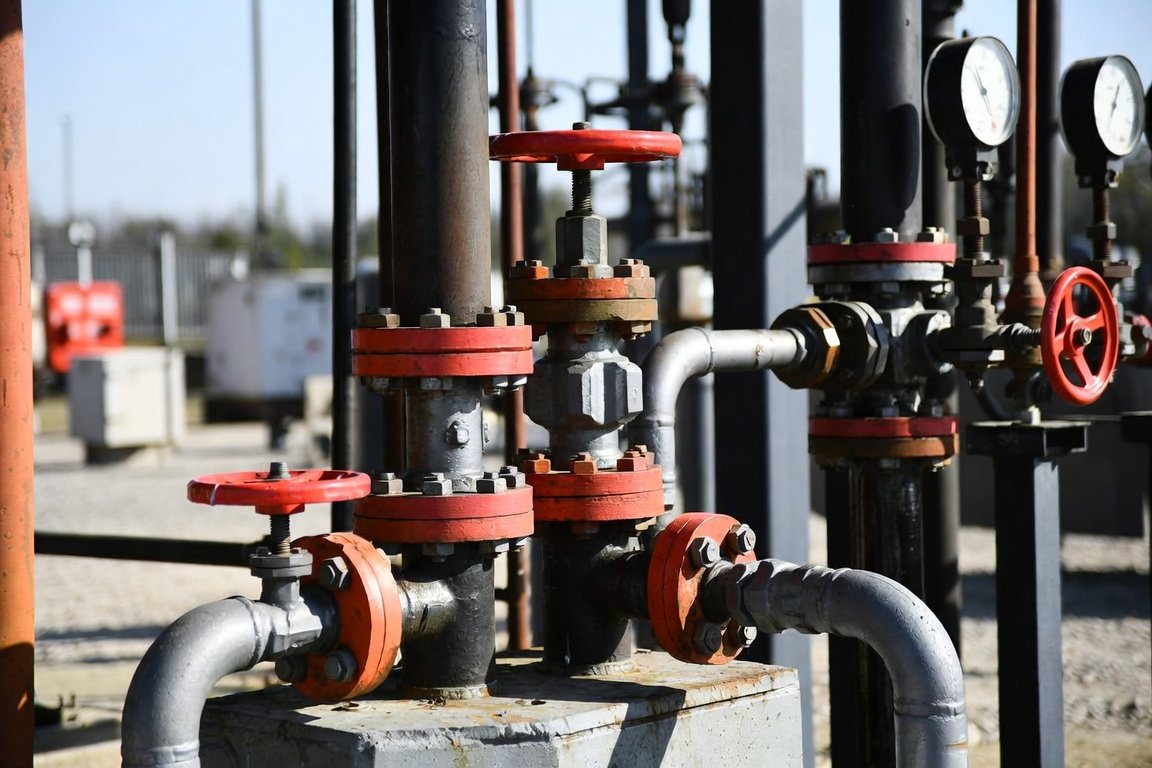
On the fuel system itself, wet H2S attacks carbon steel regulators, soft seats, and instrument tubing. Iron sulfide packs filters and sticks regulators. A fuel-gas train that was clean for years can start plugging after a single sour well is tied in upstream.
Emissions follow. SO2 in the exhaust is a permit number. An engine that was inside its SO2 limit on sweet fuel can exceed it on the same load once the fuel header goes to 20 or 30 ppm. The permit does not care that the sales gas is still in specification.
Typical Limits and What They Mean
Engine and turbine builders publish fuel-gas limits that are often in the range of a few ppm to about 10 or 20 ppm H2S, sometimes lower for machines with exhaust catalysts. Compressor fuel and instrument gas are frequently held to similar numbers. These are vendor and permit numbers, not universal law. The number that matters is the one on the data sheet for the machine on that site, plus the SO2 limit in the approval.
A pipeline spec of 4 ppm, or a local spec of 16 ppm, can still be too high for an older engine or for a unit with a catalyst. Read the data sheet. Do not assume the sales-gas number protects the fuel header.
| Where the limit comes from | Typical range | What breaks first if you exceed it |
| Engine or turbine data sheet | Often a few ppm to about 10-20 ppm | Valves, oil, exhaust |
| Exhaust catalyst | Often tighter than the engine alone | Catalyst poisoning and SO2 |
| Site SO2 permit | Depends on load and stack | Permit exceedance |
| Instrument and fuel regulator metallurgy | Wet H2S even at low ppm | Iron sulfide, stuck regulators |
Where to Treat
Treat the fuel header, not the sales line, unless they are the same pipe. A scrubber or a bed on the sales gas does nothing for a fuel takeoff upstream of it.
The cleanest arrangement is a knockout, then a small contactor or an adsorbent vessel, then a dry fuel regulator. Knockout first, because liquid water and condensate carry H2S and foul both liquid scavenger and solid media. A coalescing filter after the vessel catches iron sulfide and scavenger carryover before it reaches the engine.
Liquid scavenger in a small bubble column or an in-line contactor suits moderate, steady loads and sites that already handle chemical. It needs a level, a fill, and a spent-chemical path. On a fuel header the spent volume is small, which makes disposal easy and makes overdosing tempting. Overdosing wastes chemical and can put amine or reaction products into the fuel.
Solid adsorbent, iron oxide or a mixed-metal bed, suits low and steady loads and sites that do not want a liquid chemical on a remote fuel skid. Size the bed on the peak fuel rate and the high H2S case, and leave a second bed or a clear changeout plan. A single bed that is changed after breakthrough has already fed sour gas to the engine.
Injection of scavenger into the fuel line without a contactor is a poor fit. Contact time is short, mixing is poor, and liquid chemical in a fuel regulator is a new problem. If injection is all that can be mobilized in a hurry, put it well upstream, with a mixer, and with a coalescer before the engine.
Liquids, Temperature, and Rate Swings
Fuel headers run at whatever pressure the takeoff provides, often with a regulator dropping to the engine. Condensation across that regulator is normal. If the gas is near its water or hydrocarbon dew point, the regulator and the downstream piping see liquid. That liquid must be drained from a scrubber boot, not left to enter the carburetion.
Cold weather slows liquid scavenger and can drop liquids out of the gas. A bed that was sized on a summer gas analysis can channel or freeze a drain in January. Confirm the low-temperature case, and heat-trace drains that see water.
Engines that start and stop, and compressors that unload, swing the fuel rate. A bed sized only on full load has a long residence time at idle, which is fine, but a liquid contactor sized only on full load can flood or lose level at idle. Turndown belongs in the specification. So does a bypass that cannot be opened by accident and left open.
Sampling the Gas the Engine Actually Burns
Sample downstream of the fuel treating, at the engine skid, not at the plant inlet. Sample on a day the engine is loaded, and note whether a new well or a tank VRU was online. A quarterly lab grab that misses the sour week is how engines fail with a clean file.
A continuous H2S analyzer on the fuel header is justified when the source is variable or when the permit is tight. If an analyzer is not in the budget, a detector tube on a schedule that includes start-up and the first hour after a well is brought on will catch most surprises. Log the number with the engine load.
Oil analysis is the lagging indicator. Rising sulfur and a falling base number mean the fuel was sour often enough to matter. By then the bearings have already seen the oil. Use the oil result to confirm, not to discover.
Instrument Gas and Starters
Instrument gas and starter gas are often taken from the same header as fuel. A sour slug that is brief enough to miss an engine oil sample can still pit a regulator diaphragm or stick a pneumatic valve. If instrument gas is critical, give it its own final filter and, if the header is unreliable, its own small polisher. Do not assume a fuel-gas scrubber that is bypassed for maintenance is still protecting the instruments.
A Fuel-Gas Layout That Holds
For a battery or a compressor station with variable H2S, the layout that works is short.
- Take fuel off downstream of bulk treating if that is possible. If it is not, treat the takeoff locally.
- Knock out liquids, then scavenge or adsorb, then coalesce before the regulator.
- Size on the peak fuel rate and the high H2S case, with a changeout or a second bed before breakthrough.
- Sample at the engine, on loaded days, and after any new source is tied to the header.
- Watch oil sulfur and base number as the confirmation, not as the only alarm.
That is a small vessel, a filter, and a sample point. It is cheaper than an engine overhaul and cheaper than an SO2 exceedance.
| Option | Best load | Watch-out | Fit on a remote fuel skid |
| Liquid scavenger contactor | Moderate, steady | Level, spent chemical, overdosing | Good if chemical is already on site |
| Iron or mixed-metal bed | Low to moderate, steady | Breakthrough, liquids, changeout | Strong |
| Upstream amine, fuel taken after | Any, if the takeoff is truly downstream | Bypass and upset gas | Best when it exists |
| In-line injection, no contactor | Emergency only | Poor contact, chemical in the regulator | Weak |
Spent adsorbent from a fuel-gas bed is a small volume, but it is still a spent sulfur media. Bag it, keep it dry, and dispose of it on the same path used for other iron-sulfide beds. A drum left open on a skid will off-gas and will be a disposal problem later. Liquid spent scavenger from a fuel contactor is usually small enough to return to a produced-water tank that is already rated for it, after the receiving facility has agreed.
What to Fix Before the Next Oil Sample
Three checks sort most fuel-gas problems. Is the fuel takeoff downstream of the treating that everyone assumes is protecting it. What H2S number is the engine data sheet and the permit actually written to. And is anyone sampling the gas at the skid on a day the machine is loaded. A fuel header that fails those three will sulfate the oil no matter how clean the sales meter looks.
Hydrogen sulfide in fuel gas is a small stream with an expensive failure mode. Treat the header the engine burns, keep liquids out of it, and do not use the sales-gas specification as a substitute for the number on the machine.