
Article Content
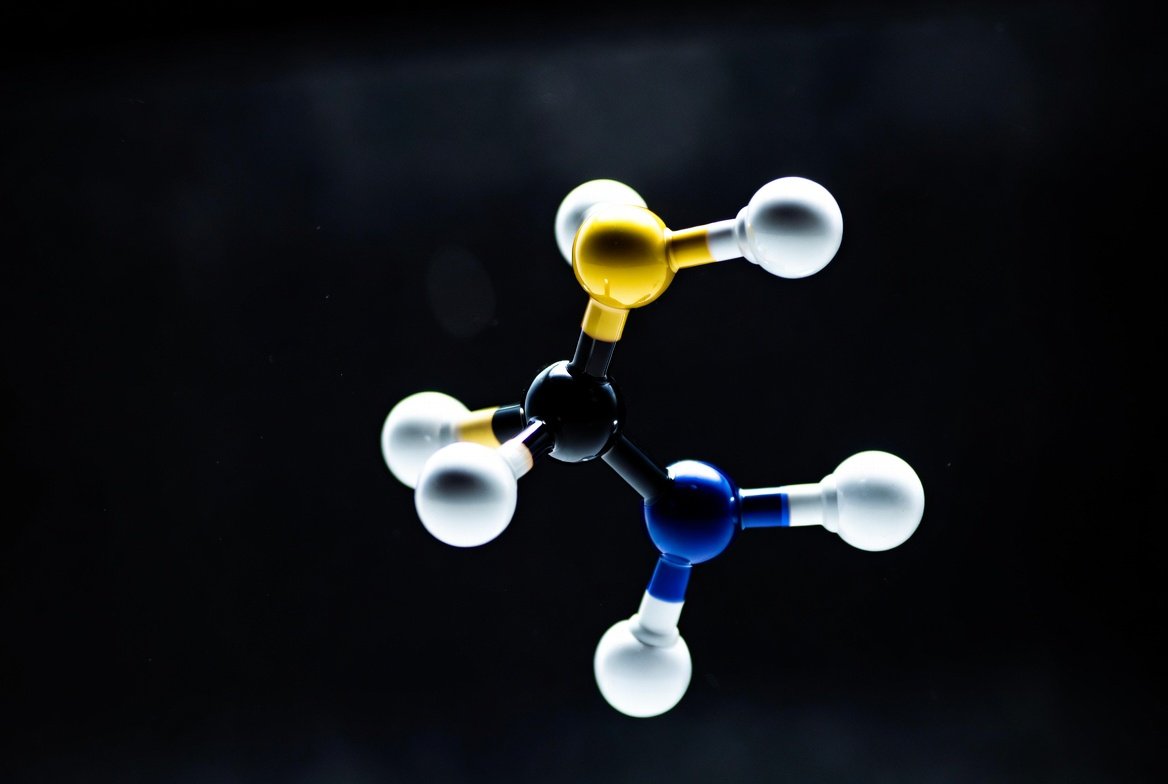
Operators rely on chemical H2S scavengers—liquid formulations that react with and neutralize H₂S. The most typical and widely used are triazine-based scavengers, particularly monoethanolamine (MEA) triazine (hexahydro-1,3,5-tris(2-hydroxyethyl)-1,3,5-triazine), often supplied as 50–80% active aqueous solutions. Priced in dollars per liter ($/L), these chemicals represent a significant operating expense (OPEX) for upstream and midstream oil & gas facilities.
Understanding why H₂S scavenger prices rise or fall is critical for procurement managers, engineers, and financial analysts in the energy sector. Prices are not driven by a single factor but by a complex interplay of raw material costs, manufacturing expenses, supply chain dynamics, geopolitical events, demand from hydrocarbon production, regulatory pressures, and technological shifts. This article explores these drivers in detail, using real-world examples to illustrate how external forces translate into higher or lower $/L quotes. With global H₂S scavenger markets valued in the hundreds of millions of USD and growing at 3–4% CAGR, even small price swings can impact field economics.
1. Raw Material Cost of H2S Scavengers: The Primary Driver of Price Volatility
MEA triazine is synthesized via a condensation reaction between formaldehyde and monoethanolamine (MEA). These two feedstocks account for the bulk of production costs, making scavenger prices highly sensitive to petrochemical cycles. Formaldehyde is produced from methanol, itself derived from natural gas or coal. MEA is manufactured from ethylene oxide (EO) and ammonia, with EO coming from ethylene cracking.
When natural gas prices spike—due to cold winters in Europe, supply disruptions in the U.S. Permian Basin, or geopolitical tensions affecting LNG exports—methanol and formaldehyde costs rise sharply. For instance, formaldehyde prices in early 2026 hovered around $148/MT in China and $0.16–0.44 USD/kg regionally, but historical spikes have exceeded 30% YoY during energy crises. Similarly, MEA prices in Q4 2024 fell to around $1,244/MT in China amid weak demand but can surge when EO plants go offline. A 2023–2024 fire and explosion at a major Louisiana ethylene oxide facility created a regional MEA shortage, directly tightening triazine supply and pushing spot prices upward by double digits.
Buyers see these effects in $/L terms because triazine is typically diluted to 50–78% active ingredient in water or solvents. A 20% increase in formaldehyde feedstock can translate to a $0.10–0.30/L rise in finished scavenger pricing, depending on formulation concentration. Conversely, oversupply of natural gas or new methanol capacity (e.g., in the Middle East) can ease raw material costs, allowing producers to lower quotes and improve operator margins.
2. Manufacturing and Production Costs
Beyond raw materials, energy-intensive manufacturing, labor, and overhead influence final pricing. Triazine production involves controlled exothermic reactions under precise temperature and pH conditions, followed by dilution and quality testing. Rising electricity and natural gas prices—common in Europe and parts of Asia—directly inflate plant operating expenses. Labor shortages or higher wages at specialty chemical facilities in the U.S. Gulf Coast or Germany add further pressure.
Capacity utilization matters too. Major producers operate dedicated plants in the United States, Germany, India, and China. When utilization is high (driven by strong oil & gas demand), marginal costs fall and prices stabilize or decline. During downturns or maintenance turnarounds, fixed costs are spread over lower volumes, pushing unit prices higher. Economies of scale also play a role: concentrated 80% active triazine products command premium $/L pricing but offer better performance-per-liter value for high-H₂S wells.
3. Supply Chain Disruptions and Logistics
H₂S scavengers are hazardous liquids requiring specialized storage, handling, and transport. Global supply chains are vulnerable to weather events, port congestion, and shipping cost fluctuations. Hurricane Beryl in 2024, for example, flooded Houston-area chemical hubs, temporarily halting MEA triazine production and causing regional shortages and price spikes. Similar disruptions from geopolitical blockades in the Suez or Panama canals raise freight rates, adding $0.05–0.15/L to delivered costs for international buyers.
Fuel prices (diesel and marine bunker fuel) directly affect trucking and ocean freight. When crude oil prices climb above $80–90/bbl, logistics costs rise in tandem, amplifying the landed price of scavengers in remote fields like the Permian Basin or offshore platforms. Importers in Asia-Pacific or Latin America feel these effects most acutely when sourcing from U.S. or European manufacturers.
4. Geopolitical Issues and Global Energy Markets
Geopolitics exert indirect but powerful influence through oil & gas production volumes and raw material availability. Conflicts such as the Russia-Ukraine war have historically roiled European natural gas prices, inflating methanol and formaldehyde costs and, by extension, triazine pricing. Sanctions on Russian or Iranian energy exports can redirect sour crude to markets requiring more scavenging, boosting global demand.
U.S.-China trade tensions and tariffs on chemical intermediates (noted in recent triazine market analyses) can raise import costs by 5–15%. OPEC+ production cuts or Middle East instability affect sour gas field development, altering scavenger demand. When geopolitical stability allows renewed investment in high-H₂S regions (e.g., parts of Africa or the Middle East), sudden demand surges can outpace supply, driving prices up. Conversely, prolonged low oil prices from oversupply (as in 2020) reduce drilling and workover activity, softening scavenger demand and exerting downward pressure on $/L quotes.
5. Supply and Demand Dynamics in the Oil & Gas Sector
Demand for H₂S scavengers is tightly coupled to hydrocarbon production, particularly from sour reservoirs where H₂S concentrations exceed pipeline specs (typically <4–10 ppm). Rising global oil output—especially in shale plays like the Permian or new offshore fields—directly increases consumption. Operators often overdose conservatively for safety, further amplifying volume needs.
When crude prices are high, exploration and production (E&P) budgets expand, lifting scavenger demand and supporting firmer pricing. However, the relationship is not purely linear: higher oil prices also elevate raw material costs, creating a cost-push effect. Market reports show triazine chemistry dominating due to its cost-effectiveness and rapid reaction kinetics, but competition from alternatives (glyoxal, iron-based, or novel non-nitrogen scavengers) can cap price increases. Over-supply from new manufacturing capacity in Asia has occasionally led to price softening in 2024–2025.
6. Regulatory and Environmental Pressures
Stricter environmental, health, and safety (EHS) regulations are a double-edged sword. On one hand, EPA, OSHA, and equivalent bodies worldwide mandate H₂S control, driving consistent demand. Recent U.S. HAP standards and EU emissions rules have accelerated adoption in produced-water treatment and gas processing. On the other hand, growing scrutiny of formaldehyde-containing triazines (due to toxicity and byproduct concerns) pushes manufacturers toward R&D investment in greener alternatives. These newer formulations often carry higher initial $/L prices because of premium raw materials or complex synthesis.
Compliance costs—waste disposal of spent scavenger (dithiazine byproducts), worker training, and emissions monitoring—get passed along in pricing. Regions with the strictest rules (North America, North Sea) typically see 10–20% higher effective costs than less-regulated markets. Future carbon taxes or circular-economy mandates could further elevate prices unless regenerable or bio-based scavengers achieve scale.
7. Technological Advancements and Market Competition
Innovation can depress prices over time. Improved dosing algorithms using real-time H₂S sensors and AI reduce chemical consumption by 20–60%, lowering effective $/L costs for operators even if list prices remain stable. New nitrogen-free or hemiformal-based scavengers avoid solids and emulsions, offering better value despite potentially higher upfront pricing. Increased competition among service companies (Baker Hughes, Schlumberger, Ecolab, and regional players) prevents monopolistic pricing and encourages volume discounts.
Patent expirations on older triazine technologies also open the door to generic production, exerting downward pressure. Conversely, breakthrough performance (e.g., higher capacity per liter) can justify premium pricing in high-H₂S or offshore applications where logistics are expensive.
Conclusion: A Multifactorial Market Demands Vigilance
The price of typical H₂S scavengers in $/L reflects a delicate balance of feedstock volatility, energy costs, logistics, geopolitics, hydrocarbon demand, regulation, and innovation. Prices rise when raw material costs climb (formaldehyde/MEA spikes), supply is disrupted (plant fires, hurricanes), or demand surges from booming sour production. They fall during energy gluts, low oil prices, oversupply, or efficiency gains from better chemistry and digital dosing.
For oil & gas professionals, proactive monitoring of methanol and ethylene oxide markets, crude price forecasts, and regulatory updates is essential. Long-term contracts with price-escalation clauses, diversified suppliers, and pilot testing of alternative scavengers can hedge against volatility. As the industry pursues net-zero goals and stricter H₂S limits, the scavenger market will continue evolving—but the fundamental drivers of price will remain rooted in the global petrochemical and energy complex.
By appreciating these interconnected factors, readers can better anticipate swings in chemical OPEX and make informed decisions that protect both safety and the bottom line. Whether prices trend up or down in the coming quarters will depend on the next geopolitical shock, energy price cycle, or regulatory curveball.