Article Content
Accurate measurement and continuous monitoring of H2S concentrations are critical for worker safety, asset integrity, regulatory compliance, process optimization, and environmental protection.
In Alberta and other jurisdictions, regulations such as those from the Alberta Energy Regulator (AER) and Occupational Health and Safety (OHS) set strict exposure limits—typically 10 ppm as an 8-hour time-weighted average (TWA) and 15 ppm ceiling. Exceeding these can result in severe health effects, including respiratory failure and death at concentrations above 100-500 ppm. This article explores the primary methods, techniques, and equipment used to measure and monitor H₂S in natural gas, oil, and water streams.
Why H2S Monitoring Matters in Oil and Gas Operations
H₂S poses risks across the value chain: upstream exploration and production (wellheads, gathering systems), midstream transportation and storage, and downstream refining. In natural gas, H₂S must be reduced to meet pipeline specifications (often <4 ppm for “sweet” gas). In crude oil and condensate, it contributes to corrosion and affects product quality. In produced water, high levels complicate treatment, reinjection, or disposal.
Effective monitoring enables scavenger dosing optimization, corrosion control, leak detection, and emergency response. Technologies range from portable spot-check tools to inline process analyzers, each suited to specific matrices and concentration ranges (ppb to percent levels).
Key Measurement Principles and Techniques
Electrochemical Sensors
Electrochemical sensors are among the most widely used for H₂S detection. They operate via an oxidation reaction at the sensing electrode, generating a current proportional to H₂S concentration. These sensors offer good sensitivity for trace levels (low ppm to ppb), are compact, and suitable for both portable and fixed installations.
Advantages include low cost, fast response, and linear output. Limitations include potential interference from other gases (e.g., SO₂, CO), sensor poisoning in high-H₂S or contaminated environments, and the need for periodic calibration and replacement (typically 1-2 years). They are commonly deployed in personal monitors, area detectors, and some process analyzers.
Colorimetric (Stain) Tubes and Lead Acetate Tape
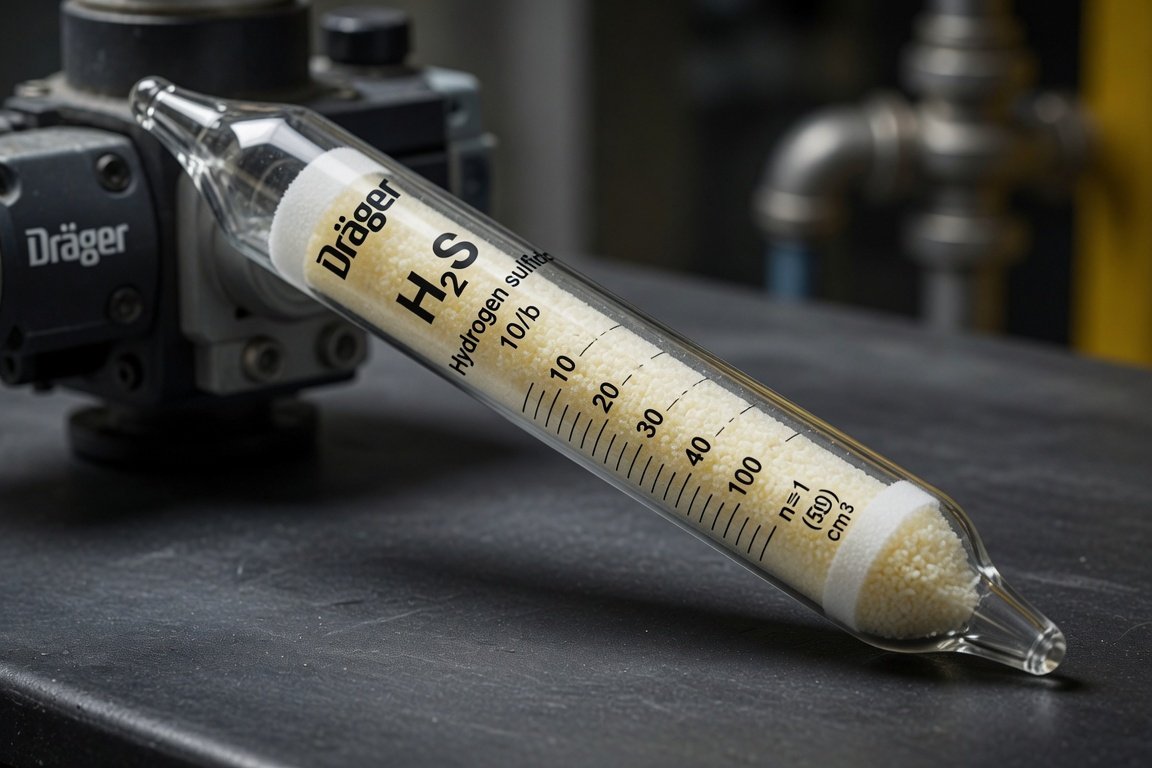
Colorimetric detection tubes (e.g., Dräger or Gastec) provide quick, low-cost spot measurements. A hand pump draws a known volume of gas through a tube containing a reagent (often lead acetate or copper sulfate) that changes color proportionally to H₂S concentration. They are useful for initial assessments or confined space entry.
Lead acetate tape analyzers use a continuous tape exposed to the gas stream; the resulting stain intensity is measured optically. These provide reliable low-level detection but require consumables and maintenance. Accuracy can vary with operator technique, humidity, and interferences (±25% possible for tubes).
Tunable Diode Laser Absorption Spectroscopy (TDLAS)
TDLAS is a non-contact optical technique ideal for process gas streams. A tunable diode laser emits light at a specific wavelength absorbed by H₂S molecules. The absorption is measured according to the Beer-Lambert law, providing highly selective, accurate readings even in complex hydrocarbon matrices. It excels in wet or dirty gas with minimal maintenance and no consumables.
TDLAS offers fast response, wide dynamic range (ppb to high %), and excellent specificity. It is increasingly used for inline monitoring in natural gas pipelines and processing plants.
Ultraviolet-Visible (UV-Vis) Spectroscopy
UV-Vis analyzers measure H₂S absorbance in gas or liquid samples. Systems like the OMA H₂S Analyzer draw a continuous sample and quantify concentration in real-time. They are robust for process applications in liquids and gases.
Gas Chromatography (GC)
GC separates and quantifies H₂S in laboratory or online settings. It is highly accurate for detailed analysis but slower and less suited for continuous field monitoring compared to spectroscopic or electrochemical methods.
Other Techniques
Additional methods include metal oxide semiconductor (MOS) sensors, which change resistance in the presence of H₂S; gold film analyzers; SO₂ conversion with fluorescence; and wet chemistry approaches. For liquids, membrane-based stripping (e.g., Sample Transfer Stripper) extracts H₂S into a gas phase for analysis.
Equipment for Natural Gas Monitoring
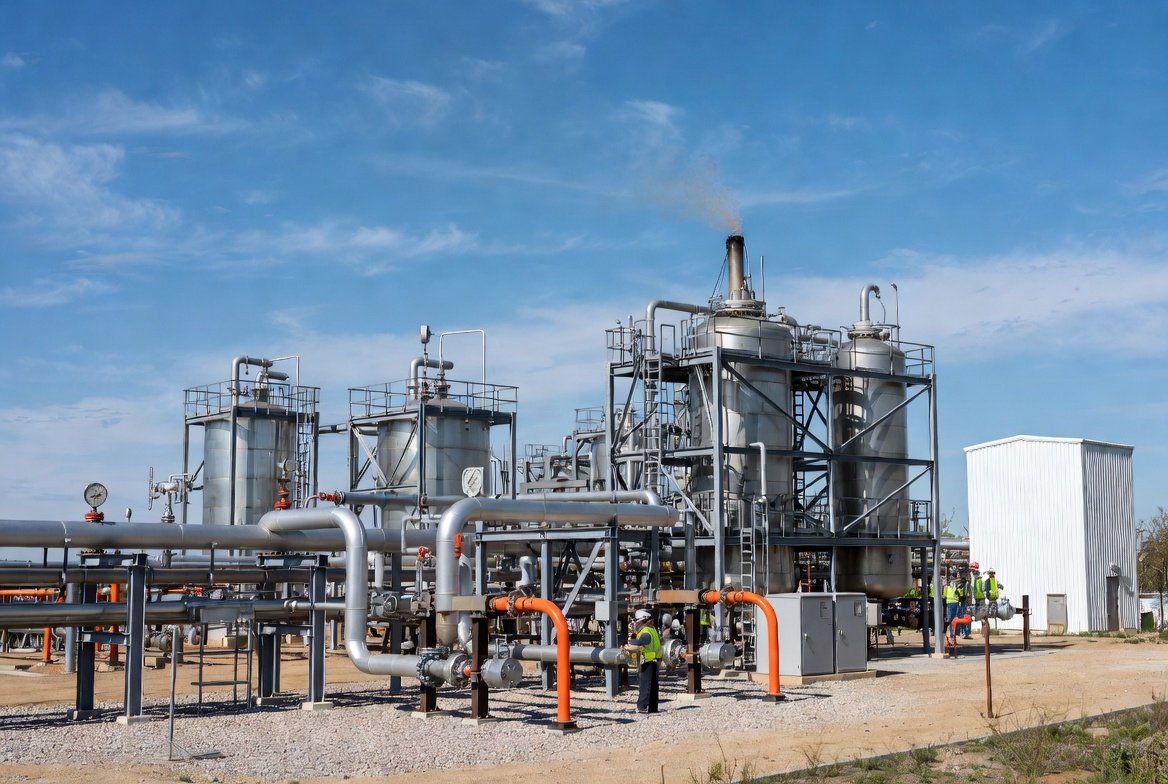
In natural gas streams, H₂S monitoring occurs at wellheads, gathering lines, processing plants, and custody transfer points.
- Portable Gas Detectors: Devices like Industrial Scientific Ventis Pro5, Tango TX1/TX2, or Interscan GasD 8000 series use electrochemical sensors for personal and area monitoring. Features include audible/visual/vibration alarms, data logging, and pump options for remote sampling. Ideal for worker safety in sour service areas.
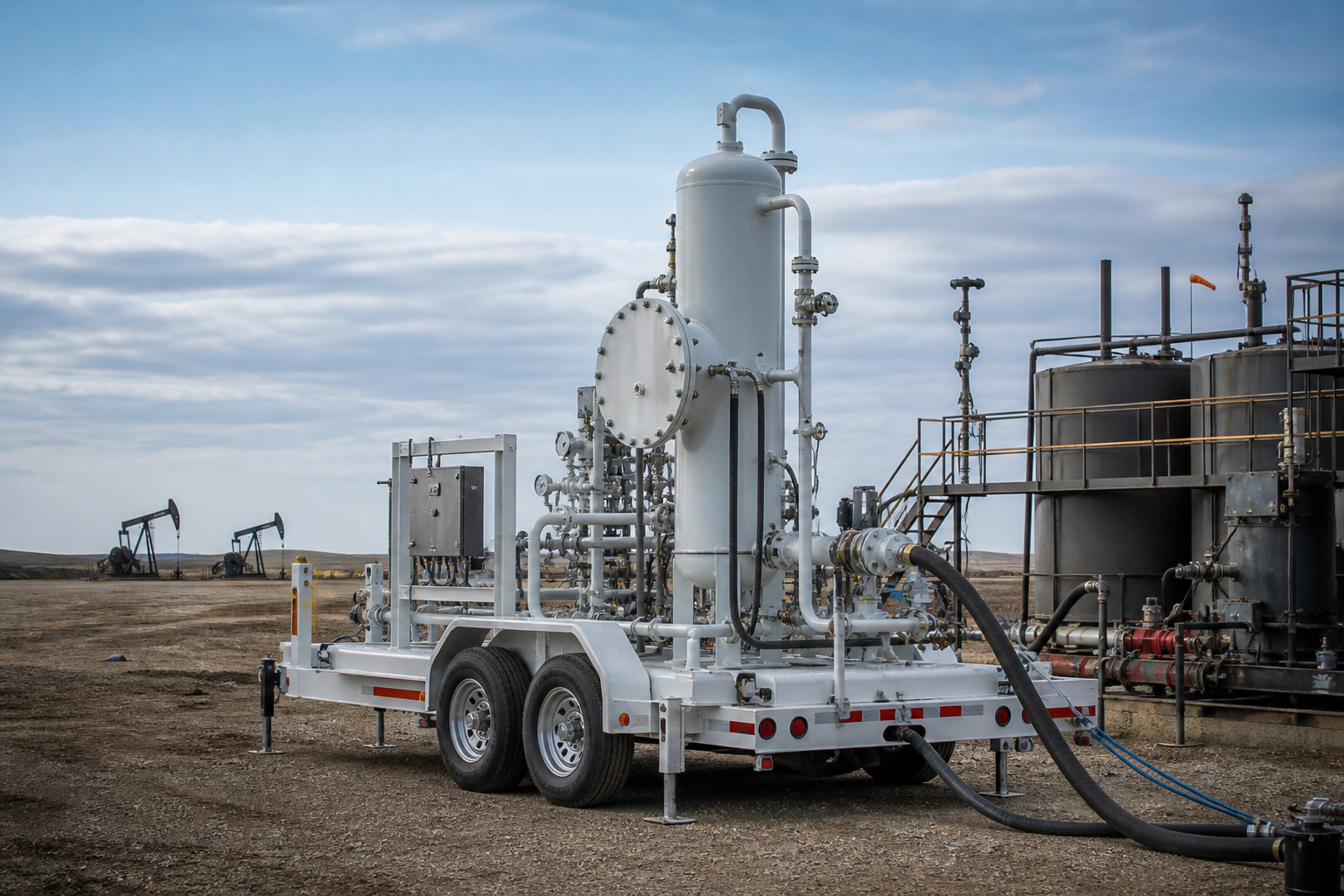
- Fixed-Point and Inline Analyzers: TDLAS systems and electrochemical process analyzers (e.g., AMI Model 3010BX, KECO units) provide continuous monitoring. SulfiLogger sensors enable direct inline measurement in wet/unprocessed gas.
- Specialized Systems: Dual H₂S/CO₂ analyzers and total sulfur analyzers support compliance with tariff limits and sweetening processes.
Equipment for Crude Oil and Condensate
H₂S in liquid hydrocarbons requires vapor extraction or headspace analysis due to partitioning behavior.
KECO H₂S in Crude Oil and Condensate Analyzers use membrane technology to strip H₂S into a gas phase for electrochemical or colorimetric detection. This supports scavenger optimization and corrosion management. Portable analyzers allow field verification. Laboratory GC methods provide reference measurements.
Equipment for Produced Water and Aqueous Streams
Produced water often contains dissolved sulfides that can release H₂S gas. Monitoring prevents corrosion, odors, and toxicity in treatment systems.
Techniques include:
- Headspace gas analysis after stripping (e.g., OMA or KECO liquid analyzers).
- Inline sensors like SulfiLogger for multiphase or water streams.
- Colorimetric kits or electrochemical probes for spot checks.
- Advanced systems using membrane contactors or thermometric methods for continuous monitoring.
Accurate liquid-phase measurements provide better insight into total sulfide potential than gas-phase alone.
Best Practices and Integration
Effective H₂S programs combine multiple layers:
- Personal and Area Monitoring: Every worker in potential exposure zones carries calibrated detectors with alarms set below OELs.
- Process Monitoring: Inline analyzers feed data to SCADA systems for real-time control (e.g., scavenger injection rates).
- Calibration and Maintenance: Follow manufacturer guidelines; use certified test gases. Electrochemical sensors need regular checks; optical methods require less intervention.
- Data Management: Logging enables trend analysis, exposure records, and predictive maintenance.
- Confined Space and Emergency Protocols: Pre-entry testing with multi-gas detectors is mandatory. Rescue teams use supplied-air systems.
Integration with H₂S removal technologies (scavengers, adsorbents, sweetening units) ensures efficient operations. In Alberta sour gas fields, continuous monitoring is essential for AER compliance and public safety.
Emerging Trends and Challenges
Advances include wireless networks for remote sites, AI-driven predictive analytics, and more robust sensors for harsh environments (high pressure, temperature, contaminants). Miniaturization improves portability, while spectroscopic methods reduce maintenance in wet gas. Challenges remain in multiphase flows, very low detection limits for ultra-sour streams, and cost-effective solutions for smaller operators.
Selecting the right technology depends on the matrix (gas/oil/water), concentration range, required response time, environmental conditions, and total cost of ownership. Combining electrochemical for safety with TDLAS or UV for process control often yields optimal results.
Conclusion
Robust H₂S measurement and monitoring are foundational to safe, efficient, and compliant oil and gas operations. From simple colorimetric tubes for spot checks to sophisticated inline TDLAS and electrochemical analyzers for continuous process control, the industry has a wide array of proven tools. By deploying the appropriate equipment and practices, operators can protect personnel, extend asset life, optimize chemical use, and minimize environmental impact. As sour reserves are developed and regulations tighten, investment in reliable monitoring technology will remain a priority.