
Article Content
Hydrogen sulfide (H₂S) is a pervasive challenge in the oil and gas industry, biogas production, and related sectors. Known for its toxicity, corrosiveness, and foul odor, H₂S must be effectively removed to ensure operational safety, asset integrity, regulatory compliance, and environmental protection. This article explores the fundamental chemistry and engineering principles behind H₂S scavengers, comparing non-regenerable and regenerable technologies in an objective, informative manner based on established industry knowledge and practices as of 2026.
Whether dealing with sour natural gas, produced water, or industrial emissions, understanding scavenger mechanisms helps operators select appropriate solutions without bias toward any single vendor or approach. We will examine reaction pathways, system design considerations, performance factors, and emerging trends.
What is H₂S and Why Does It Require Specialized Removal?
Hydrogen sulfide is a colorless, flammable gas with the characteristic smell of rotten eggs at low concentrations. In higher amounts, it can paralyze the olfactory nerve, making it undetectable by smell, and poses severe health risks including respiratory failure and death. In industrial contexts, it originates from sulfate-reducing bacteria (SRB), thermal cracking of sulfur-containing compounds in hydrocarbons, or geological formations.
In natural gas streams, H₂S concentrations can range from a few ppm to several percent in “sour” fields. Pipeline specifications often demand levels below 4-10 ppm to prevent corrosion (sour corrosion via hydrogen embrittlement and sulfide stress cracking) and meet sales gas quality standards. In biogas, H₂S from anaerobic digestion can damage engines, membranes, and catalysts if not controlled.
Effective removal prevents:
- Pipeline and equipment degradation
- Safety incidents and worker exposure (OSHA PEL is 20 ppm ceiling, with IDLH at 100 ppm)
- Environmental emissions violations
- Process inefficiencies and downstream contamination
Classification of H₂S Scavengers: Non-Regenerable vs. Regenerable
H₂S removal technologies broadly fall into two categories: non-regenerable (once-through) and regenerable (cyclic) systems. Non-regenerable options are typically simpler and lower in capital cost but generate waste. Regenerable systems involve higher upfront investment but offer lower long-term operating expenses through reuse.
Non-Regenerable Scavengers
These chemically react with H₂S irreversibly, forming stable byproducts that are removed from the system.
1. Liquid Chemical Scavengers (e.g., Triazine-Based)
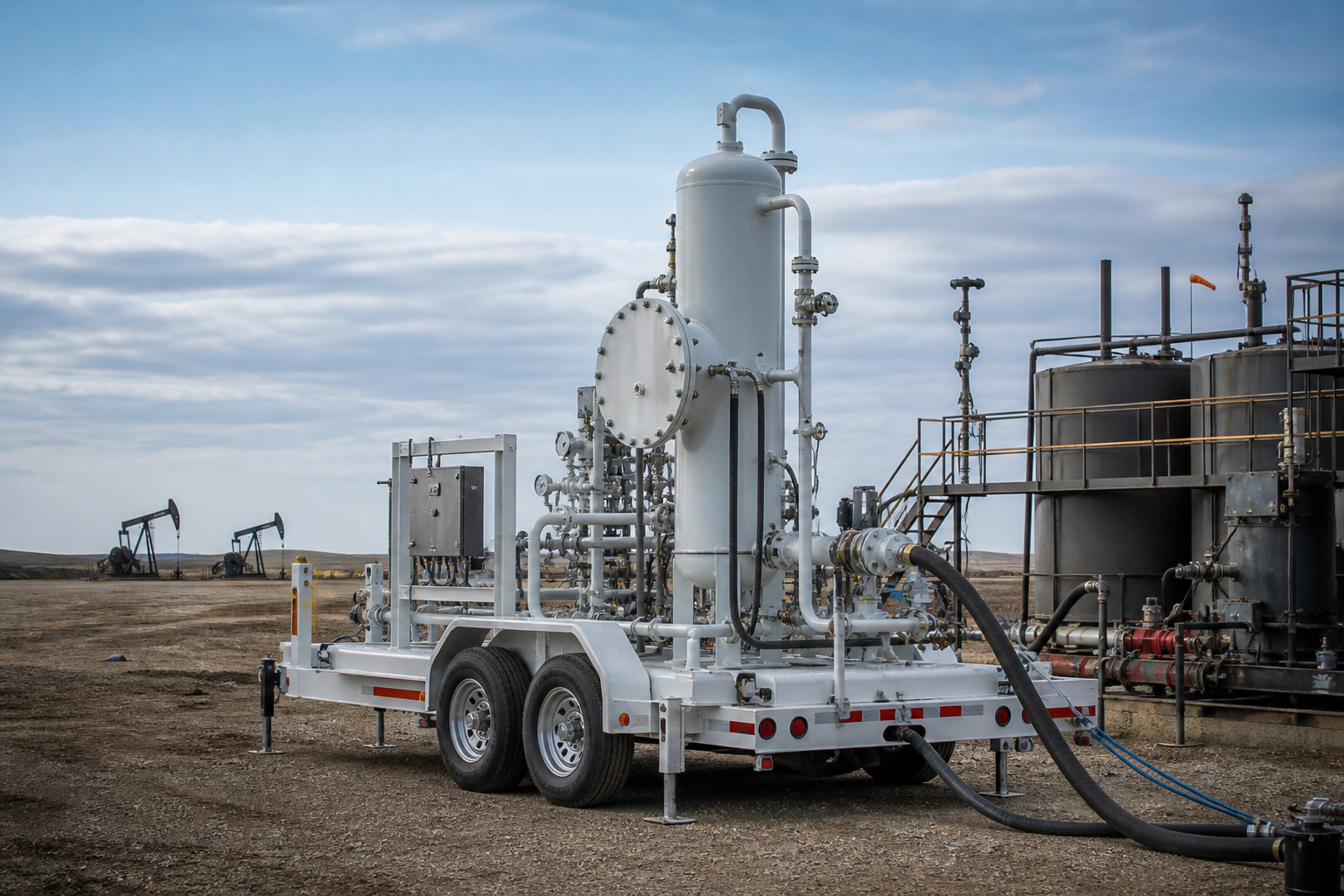
Triazines, such as monoethanolamine (MEA) triazine or methylamine (MMA) variants, are among the most common liquid scavengers for low-to-moderate H₂S concentrations (typically <500-1000 ppm). They are injected directly into gas or liquid streams via atomizers or contactors for optimal dispersion.
Chemistry: The reaction involves the triazine ring opening and forming dithiazine or related compounds with H₂S. For MEA triazine:
General reaction: Triazine + H₂S → Water-soluble byproducts (e.g., hydroxyethyl dithiazine).
Advantages include fast reaction kinetics, high efficiency (>99% possible with proper contact), and ease of deployment in existing infrastructure. Drawbacks include potential for solid byproduct formation (plugging risk), nitrogen introduction into streams (which can affect downstream processing), and relatively higher cost per kg of H₂S removed at scale. Formulations vary in concentration (25-50% active) and can be customized for water solubility or oil dispersibility.
Alternatives to traditional triazines include proprietary non-nitrogen or “green” formulations designed to minimize environmental impact and improve byproduct handling.
2. Solid Adsorbents (Iron-Based and Others)
Iron oxide (Fe₂O₃ or FeO) or iron hydroxide (Fe(OH)₃) media, often called “iron sponge,” react via chemisorption:
2Fe₂O₃ + 6H₂S → 2Fe₂S₃ + 6H₂O (simplified).
These are packed into fixed-bed vessels. Capacity typically ranges 200-700 g H₂S/kg media depending on formulation. They excel for moderate flows and concentrations. Spent media requires disposal, often as hazardous waste due to pyrophoric properties when dry.
Other solids include zinc oxide, activated carbon (caustic-impregnated for enhanced capacity), and mixed metal oxides. Activated carbon is particularly useful for polishing low H₂S levels or mercaptan removal.
Regenerable Technologies
These allow the scavenging agent to be reused, producing elemental sulfur as a valuable byproduct in many cases.
1. Amine Absorption (Sweetening) Plants
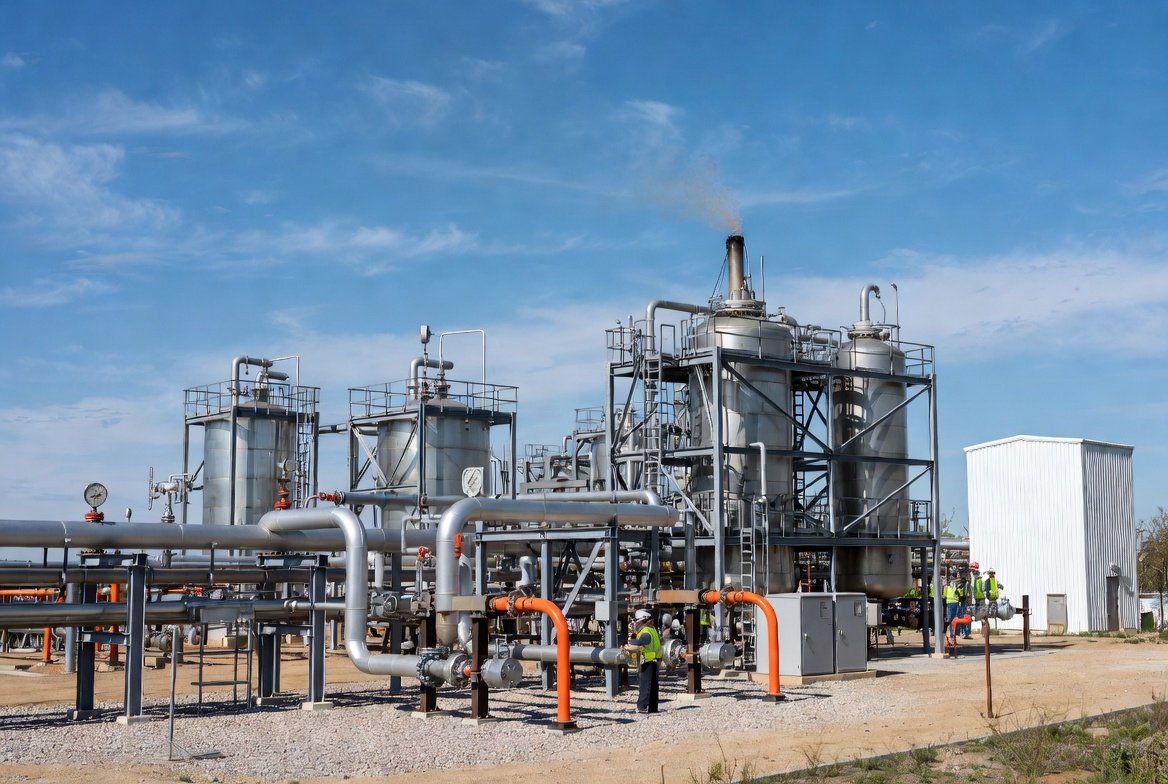
Aqueous amine solutions (MEA, DEA, MDEA, or blends) absorb acid gases (H₂S and CO₂) in a contactor tower. The rich amine is regenerated in a stripper using heat.
MDEA is often preferred for H₂S selectivity over CO₂. These systems handle high volumes and concentrations efficiently but require significant energy input for regeneration and careful management of corrosion and degradation products.
2. Liquid Redox Processes (e.g., LO-CAT, THIOPAQ)
These use chelated iron or biological catalysts to oxidize H₂S to elemental sulfur in a liquid loop. The reduced iron is re-oxidized with air.
Reaction: 2H₂S + O₂ → 2S + 2H₂O (catalyzed).
Advantages: High efficiency, regenerable, produces marketable sulfur. Suitable for higher H₂S loads. Limitations include higher complexity, potential for side reactions, and sensitivity to contaminants.
3. Biological Desulfurization
Utilizes sulfur-oxidizing bacteria (e.g., Thiobacillus) in biotrickling filters. Air/oxygen is dosed to convert H₂S to sulfur or sulfate. Low operating costs for large steady flows, environmentally friendly, but requires stable conditions and may need polishing.
Engineering Considerations for Scavenger Systems
Effective implementation goes beyond chemistry. Key design factors include:
Contact Efficiency and Mass Transfer
For liquid injection: Atomizers or nozzles ensure fine droplet dispersion for maximum gas-liquid interface. Bubble columns, static mixers, or packed towers enhance contact time. Co-current or counter-current flow configurations affect performance.
For solids: Vessel sizing must account for superficial velocity, pressure drop, bed depth, and breakthrough curves. Oversizing provides safety margin but increases cost.
Monitoring and Control
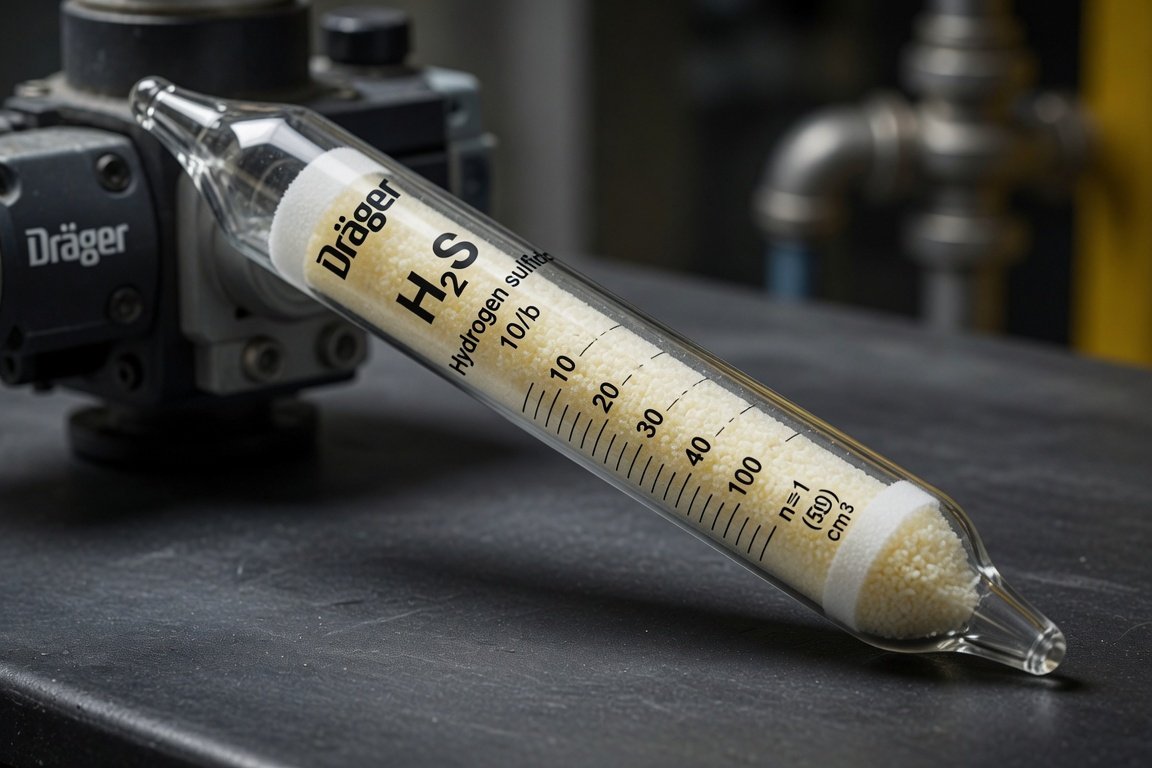
Continuous H₂S analyzers (e.g., electrochemical, UV, or tunable diode laser) at inlet and outlet are essential for optimization and compliance. Factors like temperature, pH, oxygen levels, and flow variability influence scavenger performance.
Safety and Environmental Factors
H₂S is heavier than air and accumulates in low areas. Systems must incorporate leak detection, ventilation, and personal protective equipment. Byproduct handling—whether spent liquids, solids, or sulfur—must comply with local regulations regarding disposal or recycling.
Cost Analysis Framework
Total cost of ownership includes CAPEX (equipment, installation), OPEX (chemicals/media, energy, disposal), and indirect costs (downtime, maintenance). Non-regenerable options often have lower CAPEX but higher OPEX per kg H₂S at high volumes. Hybrids (e.g., bulk removal with iron media + polishing scavenger) can optimize economics.
Site-specific variables—gas composition, flow rate, pressure, location, and disposal fees—dictate the optimal choice. Pilot testing and detailed modeling are recommended for major projects.
Applications Across Industries
Beyond upstream oil and gas, H₂S scavengers serve midstream pipelines, refineries, biogas/RNG facilities, wastewater treatment, and pulp & paper operations. In biogas, stringent pipeline specs (<4 ppm) drive technology selection toward reliable, low-emission solutions. In produced water or wastewater, liquid scavengers or oxidizers like hydrogen peroxide or sodium hypochlorite are common.
Future Trends in H₂S Removal (2026 and Beyond)
As the energy sector transitions, several trends are emerging:
- Greener Formulations: Reduced toxicity, lower nitrogen content, and biodegradable options.
- Hybrid Systems: Combining technologies for flexibility and cost-efficiency.
- Digital Optimization: AI-driven monitoring, predictive maintenance, and real-time scavenger dosing.
- Sustainability Focus: Emphasis on elemental sulfur recovery and minimal waste.
- Regulatory Evolution: Tighter emissions standards and incentives for low-carbon RNG production.
Advances in materials science may yield higher-capacity adsorbents or more selective solvents. Integration with carbon capture and broader sour gas processing will remain critical as fields mature and unconventional resources are developed.
Best Practices for Implementation
- Conduct thorough gas analysis and characterization of the stream.
- Perform techno-economic analysis comparing multiple technologies.
- Design with redundancy and safety margins.
- Implement robust monitoring and regular maintenance schedules.
- Train personnel on H₂S hazards and emergency response.
- Stay updated on industry standards (e.g., API, GPA, ISO) and local regulations.
Conclusion
H₂S scavenging is both a science and an engineering discipline requiring balanced consideration of chemistry, system design, economics, and sustainability. Non-regenerable scavengers offer simplicity for smaller or variable applications, while regenerable technologies provide efficiency at scale. There is no universal “best” solution—success depends on matching technology to specific operating conditions. Ongoing innovation promises more effective, environmentally responsible options for managing this challenging contaminant in the years ahead.
Operators are encouraged to consult with experienced engineers, conduct site-specific evaluations, and leverage data-driven decision-making for optimal H₂S management strategies.