
Article Content
As global energy systems transition toward greater sustainability while continuing to rely on hydrocarbon resources, mastering effective H₂S removal has become essential for safe, efficient, and responsible operations.
This article provides a comprehensive, informative overview of H2S removal technologies. It examines the underlying science, historical development, current methodologies, selection criteria, challenges, and future directions. The focus remains technical and balanced, offering valuable insights for engineers, facility operators, environmental specialists, and industry stakeholders seeking to understand best practices without commercial bias.
Understanding Hydrogen Sulfide: Sources and Impacts
Hydrogen sulfide (chemical formula H₂S) forms through geological processes such as thermal cracking of sulfur-rich kerogen in petroleum reservoirs and biological sulfate reduction by anaerobic bacteria. In industrial settings, it appears in sour natural gas, refinery off-gases, biogas from anaerobic digestion, and wastewater streams. Concentrations in produced fluids can vary dramatically—from trace levels below 10 ppm to extremely sour streams exceeding several percent by volume.
The hazards are multifaceted. At concentrations as low as 100 ppm, H₂S can cause severe respiratory distress and eye irritation; levels above 500-1000 ppm can lead to rapid unconsciousness or death. Beyond human safety, H₂S promotes sulfide stress cracking (SSC) and hydrogen-induced cracking in carbon steels, leading to costly failures in pipelines and vessels. Environmentally, emissions contribute to acid deposition and local odor issues, while in biogas applications, untreated H₂S corrodes engines, turbines, and fuel cells, reducing the economic viability of renewable natural gas (RNG) projects.
Regulatory frameworks worldwide, including Alberta Energy Regulator directives and U.S. EPA rules, impose strict limits on H₂S in sales gas (typically <4-10 ppm) and flaring or venting. Effective removal is therefore non-negotiable for operational licensing, asset longevity, and ESG performance.
Historical Development of H₂S Removal
Early encounters with sour gas in pioneering regions like Texas, Louisiana, California, and the Middle East often resulted in flaring due to limited treatment options. The mid-20th century introduction of amine-based gas sweetening marked a pivotal advancement, enabling large-scale chemical absorption of acid gases (H₂S and CO₂).
Subsequent decades saw diversification: iron oxide (iron sponge) beds for smaller flows in the 1970s-80s, non-regenerable liquid scavengers in the 1990s for pipeline applications, and biological processes toward the turn of the century. Today’s landscape reflects decades of optimization driven by tighter regulations, cost pressures, and sustainability imperatives.
Core H₂S Removal Technologies
Amine-Based Absorption Systems
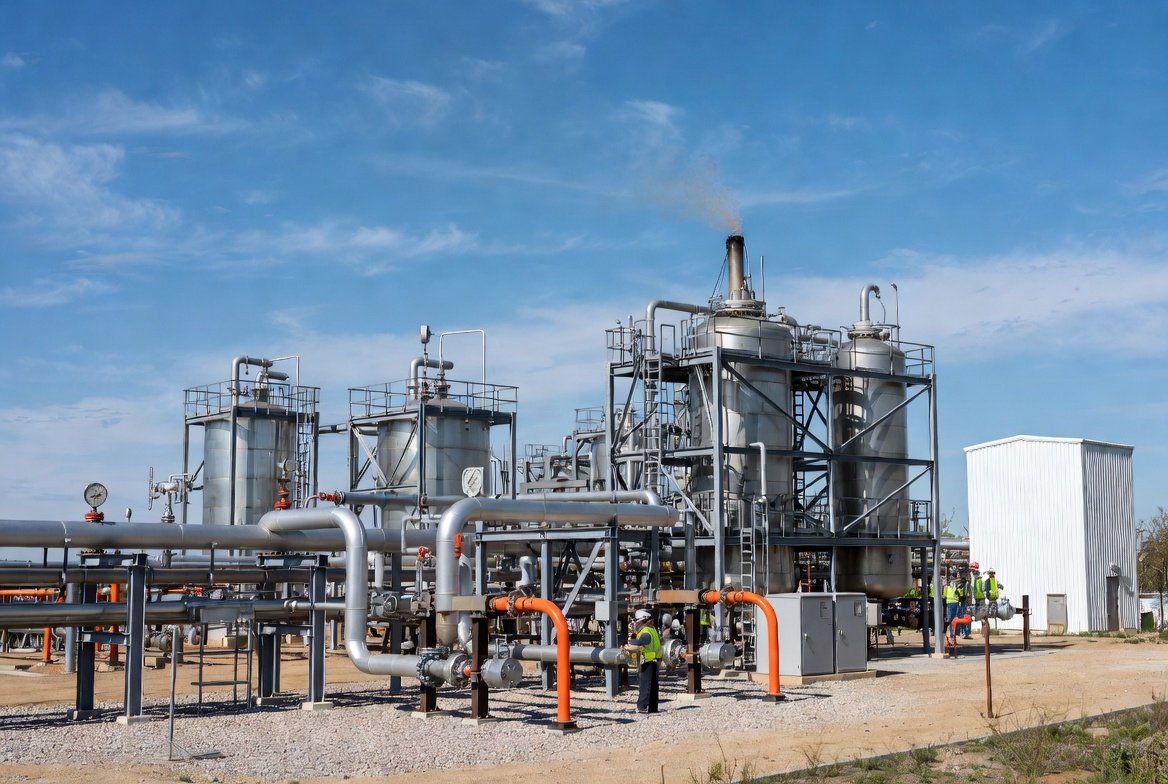
Amine sweetening units remain the dominant solution for bulk acid gas removal in high-throughput natural gas processing plants. Sour gas enters an absorber column where it contacts lean aqueous amine solution (common amines include monoethanolamine (MEA), diethanolamine (DEA), methyldiethanolamine (MDEA), or formulated specialty blends). Acid gases are chemically absorbed, and the rich amine is regenerated in a stripper column using heat, releasing concentrated H₂S for sulfur recovery (typically via the Claus process) or reinjection.
Strengths include high removal efficiency (>99%), regenerability that minimizes consumables, and flexibility for simultaneous CO₂ capture. Limitations involve high energy consumption for regeneration, potential solvent degradation from oxygen or hydrocarbons, foaming, and corrosion risks requiring careful metallurgy and inhibitors. Modern advancements focus on energy-efficient solvents, better selectivity, and hybrid configurations.
Applications: Onshore and offshore gas plants, LNG liquefaction pretreatment, and refinery gas treating.
Liquid Chemical Scavengers
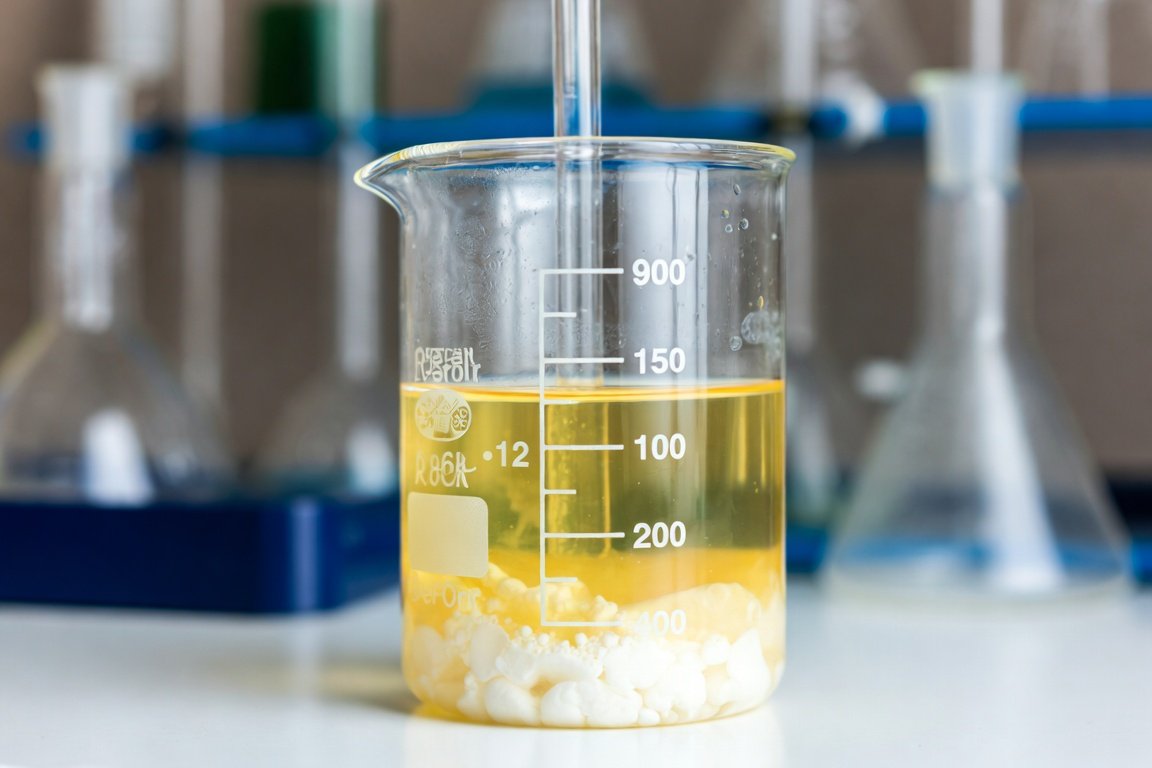
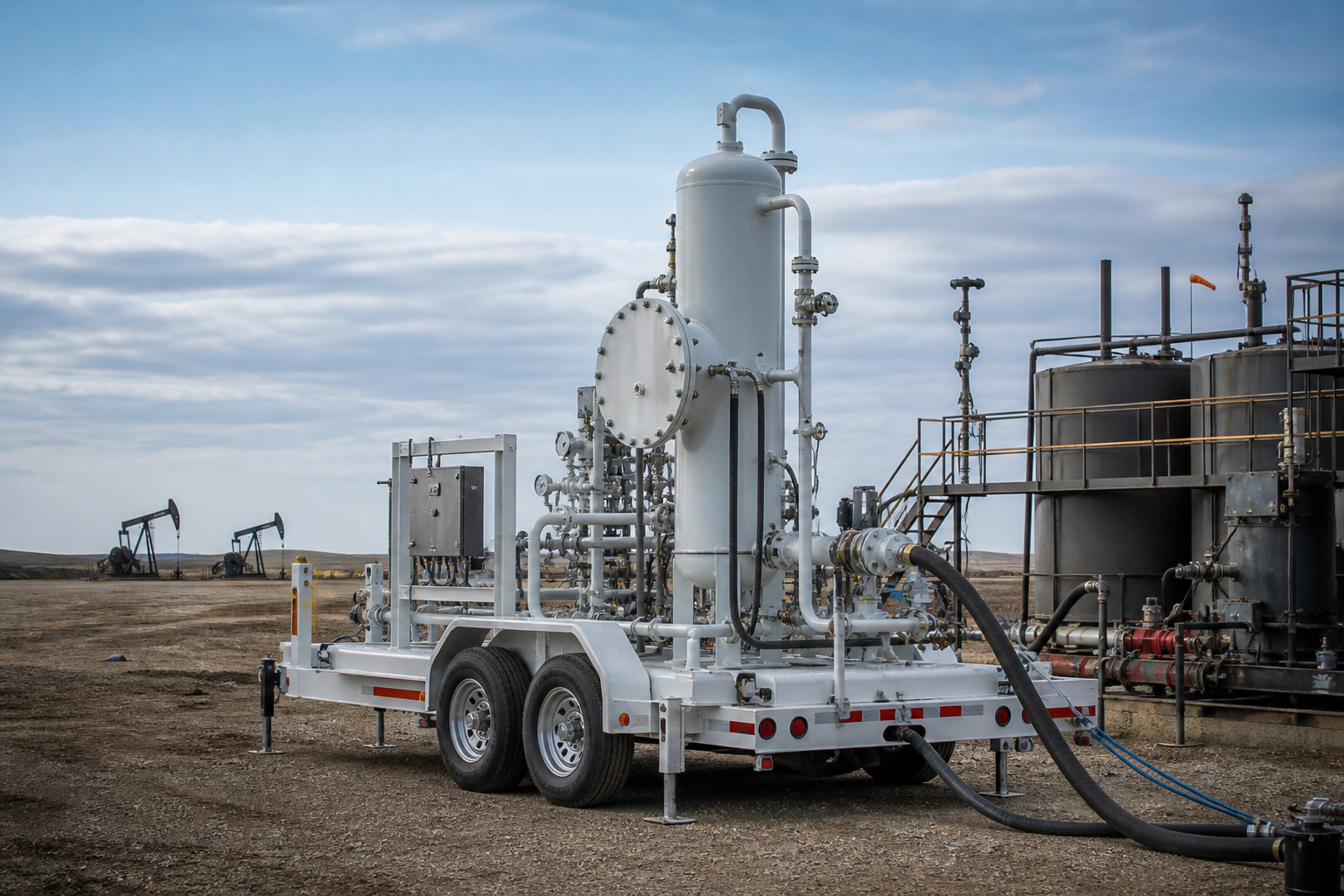
For lower H₂S concentrations or polishing applications, non-regenerable liquid scavengers provide simple, effective treatment. These chemicals are injected directly into gas or liquid streams, reacting irreversibly with H₂S to form stable byproducts. Triazine-based products (MEA or MMA triazine) are widely used, alongside proprietary non-triazine and “green” formulations designed for improved efficiency or reduced environmental impact.
Performance depends heavily on injection methodology—atomizers, static mixers, or bubble columns optimize contact and reaction completion. These systems excel in pipeline transport, wellhead treatment, and storage tank applications due to low capital requirements and rapid deployment. Considerations include byproduct disposal, potential nitrogen carryover affecting downstream processes, and optimization of dosage to avoid over- or under-treatment.
Solid Adsorbent Beds
Fixed-bed adsorption using media such as iron oxide/hydroxide, zinc oxide, mixed metal oxides, or activated carbon (standard or impregnated) captures H₂S via chemical reaction or physical adsorption. Gas flows through vessels containing the media, where H₂S is converted to metal sulfides or trapped within porous structures.
Design parameters include calculating daily H₂S mass load, determining required media volume based on loading capacity and breakthrough curves, optimizing superficial velocity to minimize pressure drop, and accounting for temperature, pressure, and moisture effects. Regenerable media offer lower long-term costs for steady operations, while disposable options suit remote or variable-duty sites. Activated carbon is particularly effective for low-level polishing and concurrent mercaptan removal.
Biological and Emerging Technologies
Biological desulfurization employs sulfur-oxidizing bacteria in biotrickling filters or bioscrubbers to convert H₂S to elemental sulfur or sulfate under mild conditions. These systems are attractive for biogas and wastewater due to minimal chemical consumption and lower sludge production. Hybrid systems often combine fast-response liquid scavenging with polishing adsorbents or integrate amine treating with biological stages for optimal economics and flexibility.
Other innovations include liquid redox processes, membranes for selective separation, and advanced oxidation methods. Selection depends on site-specific factors including flow rates, H₂S partial pressure, co-contaminants, footprint constraints, and target outlet specifications.
Technology Selection and System Optimization
Optimal H₂S removal requires holistic evaluation:
- Process Conditions: Inlet concentration, total flow, pressure, temperature, and variability.
- Economics: Capital expenditure (CAPEX), operating expenditure (OPEX including chemicals, energy, disposal), and total cost per kg of H₂S removed.
- Technical Constraints: Available space, existing infrastructure, byproduct handling, and compatibility with upstream/downstream equipment.
- Regulatory and Sustainability Goals: Emission limits, waste classification, and preference for regenerative or low-impact solutions.
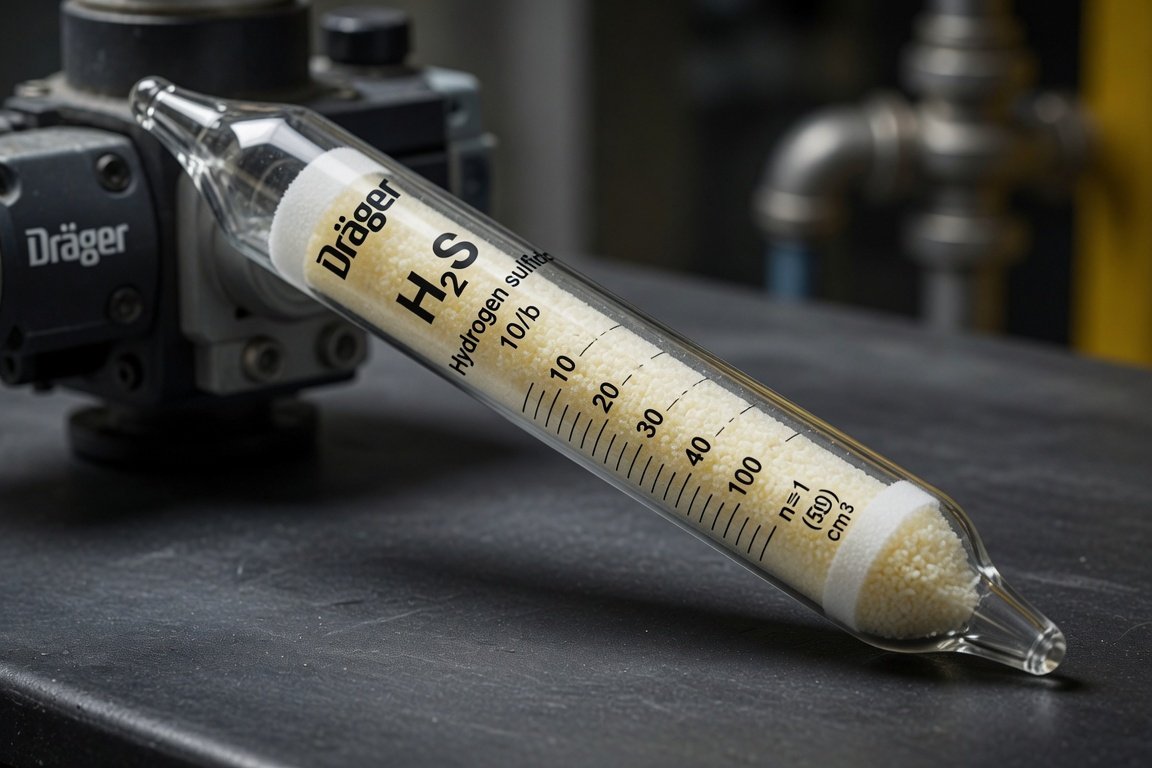
Accurate monitoring using sensors (electrochemical, laser-based, or UV fluorescence) is critical for real-time control and compliance. System optimization—through modeling, pilot testing, regular bed inspections, and injection adjustments—can substantially improve efficiency and reduce costs. For instance, proper atomization in scavenger injection prevents channeling and maximizes utilization.
Challenges in H2S Management
Key ongoing challenges include ultra-sour gas fields, elemental sulfur deposition in pipelines (causing blockages and accelerated corrosion), variable biogas compositions, and integration with carbon capture and storage (CCS) initiatives. Sour service environments demand specialized materials compliant with NACE MR0175/ISO 15156 standards. Wastewater and pulp & paper applications add complexity due to dissolved sulfides and odor control requirements.
Future Trends and Innovations
The energy transition amplifies the importance of H₂S technologies. Growing RNG production from landfills, agriculture, and wastewater will drive demand for cost-effective, sustainable removal. Sour gas developments in regions like the Middle East and shale plays continue to require robust solutions. Emerging areas include AI-optimized dosing and predictive maintenance, nanostructured high-capacity adsorbents, solvent-free or low-energy processes, and valorization of recovered sulfur.
By 2050, natural gas is expected to retain a significant role in the energy mix, with increasing emphasis on decarbonization pathways that incorporate efficient acid gas handling. Hybrid and biological systems are poised for greater adoption as operators balance economics with environmental performance.
Best Practices for Implementation
Successful projects begin with thorough feed gas characterization and risk assessment. Collaborative design involving process engineers, vendors, and operators ensures fit-for-purpose solutions. Continuous monitoring, preventive maintenance, and data-driven optimization extend equipment life and minimize downtime. Knowledge sharing across the industry accelerates adoption of proven improvements.
Conclusion
H₂S removal represents a mature yet evolving field critical to the safety, reliability, and sustainability of energy operations. From conventional amine plants and liquid scavengers to advanced adsorbents and biological systems, a wide array of proven technologies exists. Informed selection, rigorous design, and ongoing optimization enable operators to manage risks effectively while controlling costs and meeting stringent environmental standards.
As the sector navigates the energy transition, continued innovation in H₂S management will support both conventional production and the growth of low-carbon alternatives like biogas and hydrogen. Stakeholders who invest in understanding these technologies position themselves for long-term success in a demanding operational landscape.