Article Content
This article provides a comprehensive, unbiased overview of H₂S removal in mining, exploring its sources, impacts, removal technologies, and best practices based on established engineering principles and industry standards.
Understanding Hydrogen Sulfide in Mining Environments
Hydrogen sulfide is a naturally occurring compound often associated with sulfur-bearing minerals. In mining, it frequently appears in underground operations, particularly in sulfide ore mines such as those extracting copper, zinc, lead, and nickel. The gas can also be generated during the processing of ores, wastewater treatment, and in tailings management facilities.
Geologically, H₂S may be released from volcanic or hydrothermal activity in certain deposits or through the bacterial reduction of sulfates in waterlogged or anaerobic conditions. During mining activities, blasting, drilling, and excavation can disturb these sources, leading to sudden releases. Additionally, in metal recovery processes involving leaching or smelting, sulfur compounds can volatilize into H₂S under specific conditions.
Concentrations in mining settings can vary widely. Trace levels might be present in ventilation air, while confined spaces like sumps, ore passes, or poorly ventilated headings can accumulate dangerous amounts exceeding hundreds of parts per million (ppm). Regulatory bodies such as OSHA in the United States set permissible exposure limits at 10 ppm for an 8-hour time-weighted average, with a ceiling of 20 ppm and an immediate danger to life and health (IDLH) level around 100 ppm.
Health, Safety, and Environmental Risks of H₂S in Mining
The primary concern with H₂S is its acute toxicity. At low concentrations (around 10-50 ppm), it causes irritation to the eyes, nose, and throat. Higher levels lead to olfactory fatigue—where the smell becomes undetectable—followed by respiratory distress, pulmonary edema, and potentially fatal outcomes at concentrations above 500-1000 ppm due to paralysis of the respiratory center.
Beyond direct health effects, H₂S contributes to corrosion of mining infrastructure. It can cause sulfide stress cracking (SSC) in carbon steel equipment, pipelines, and structural components, leading to premature failures and increased maintenance costs. In wet environments, it forms sulfuric acid, accelerating degradation of pumps, rails, and ventilation systems.
Environmentally, uncontrolled H₂S emissions from mine vents, tailings ponds, or processing plants can contribute to air quality degradation and acid rain formation. Many jurisdictions impose strict emission limits and require monitoring and reporting under frameworks like the Clean Air Act or equivalent provincial regulations in Canada.
Sources of H₂S in Different Mining Operations
Mining operations encounter H₂S in diverse contexts:
- Underground Hard Rock Mining: Sulfide mineral oxidation or bacterial activity in stagnant water.
- Coal Mining: Associated with coal seams containing pyritic sulfur.
- Metal Processing and Smelting: Roasting or leaching of sulfide ores releases sulfur gases.
- Tailings and Wastewater Management: Anaerobic decomposition in ponds generates H₂S.
- Geothermal or Volcanic-Related Mines: In regions with active geology, higher baseline levels are common.
Understanding site-specific sources is crucial for effective management strategies. Geological surveys and ongoing gas monitoring help predict and mitigate risks.
Technologies for H₂S Removal in Mining Applications
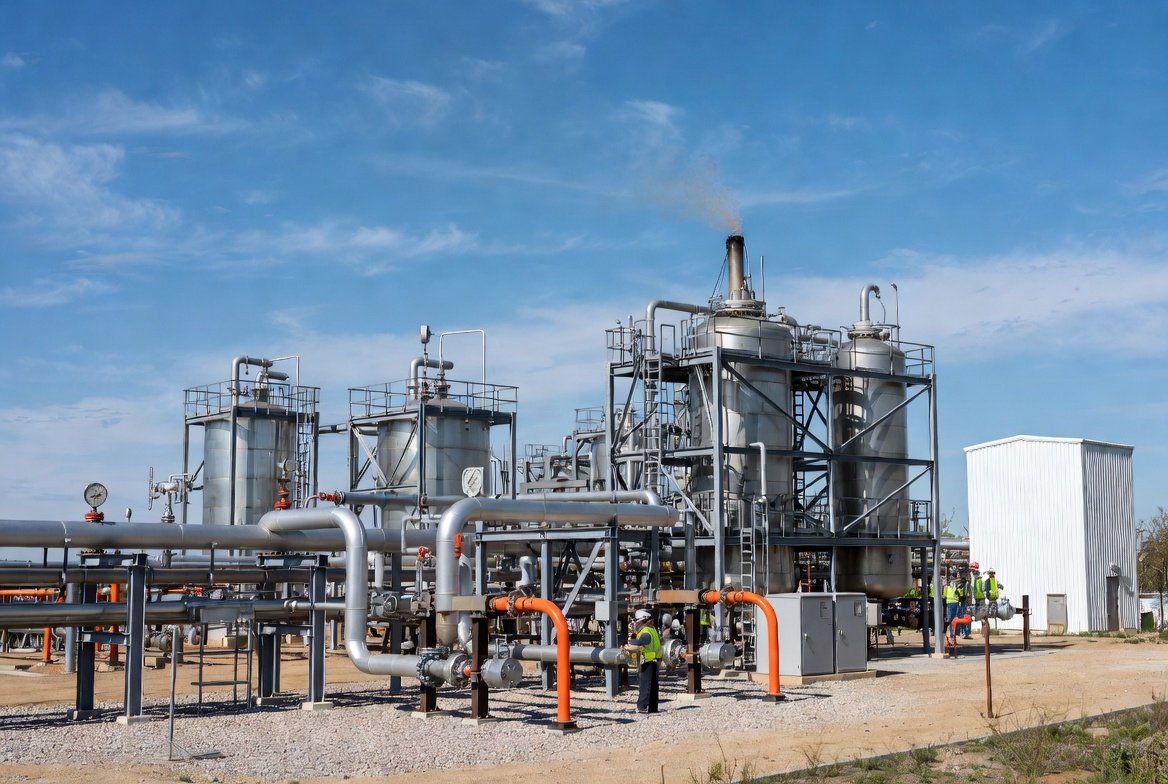
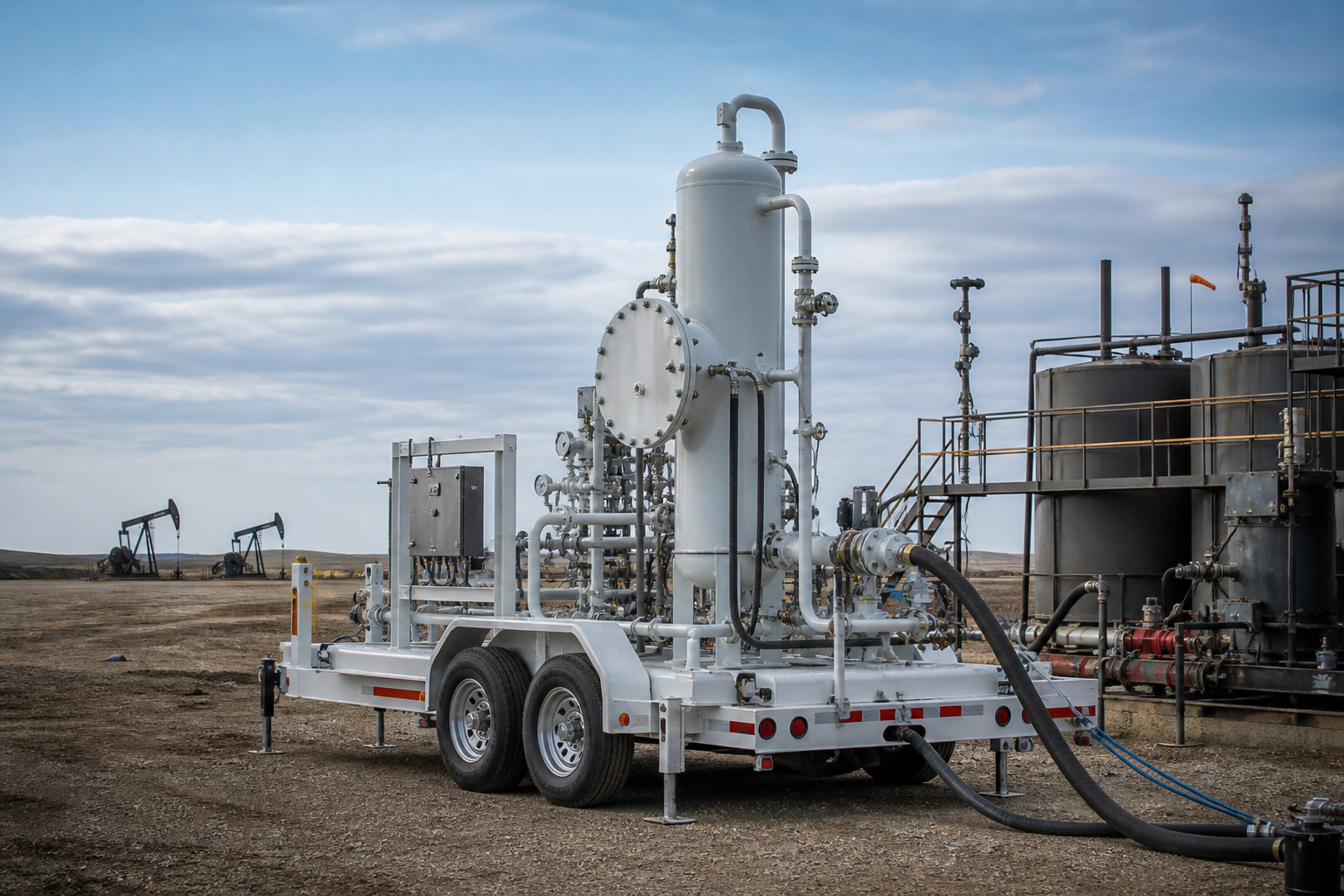
Various technologies are employed for H₂S control in mining, selected based on gas volume, concentration, flow characteristics, and operational constraints. No single method suits all scenarios, and hybrid approaches are often optimal.
Liquid Chemical Scavengers
Liquid scavengers, such as triazine-based formulations, iron-based solutions, or caustics, are injected into gas streams or used in scrubbers. They react chemically with H₂S to form non-volatile compounds. These are effective for moderate to high concentrations in point-source applications like ventilation exhaust or process off-gases. Advantages include rapid reaction rates and relatively low capital costs, but they generate spent liquids requiring proper disposal.
In mining wastewater, specialized oxidizers like hydrogen peroxide or potassium permanganate can be dosed to oxidize sulfides.
Solid Adsorbents and Fixed-Bed Systems
Iron oxide or hydroxide-based adsorbents (e.g., iron sponge) are widely used for dry gas streams. H₂S reacts to form iron sulfides, which can sometimes be regenerated or disposed of. Activated carbon, especially impregnated variants, offers high surface area adsorption suitable for polishing lower concentrations. These systems are robust for continuous operations but require periodic media replacement.
Biological Treatment Systems
Biological methods, such as biofilters or biotrickling filters, utilize sulfur-oxidizing bacteria to convert H₂S into elemental sulfur or sulfate. These are particularly suitable for large-volume, low-concentration streams common in mine ventilation air. They are environmentally friendly with low chemical consumption but sensitive to temperature, pH, and nutrient balance.
Membrane and Absorption Technologies
For higher-pressure or integrated systems, membrane separation or amine absorption can selectively remove H₂S alongside other acid gases. While more capital-intensive, they offer high efficiency and potential for sulfur recovery. In mining, these may be applied in centralized processing facilities.
Emerging and Hybrid Approaches
Hybrid systems combining liquid scrubbing for bulk removal with solid polishing or biological stages provide flexibility and cost optimization. Advances in sensor technology and automation allow real-time adjustment of dosing or regeneration cycles.
Design Considerations for Mining H₂S Removal Systems
Effective implementation requires attention to several factors:
- Gas Flow and Variability: Mining ventilation can fluctuate with production rates and seasonal changes.
- Space Constraints: Underground or remote sites limit equipment footprint.
- Harsh Conditions: Dust, moisture, and temperature extremes demand rugged designs.
- Regulatory Compliance: Systems must meet local emission and occupational health standards.
- Cost Effectiveness: Lifecycle costs including installation, operation, maintenance, and waste handling should guide selection.
Site-specific pilot testing and engineering modeling are recommended before full-scale deployment.
Best Practices for H2S Management in Mining
Beyond technology selection, comprehensive management involves:
Monitoring and Detection
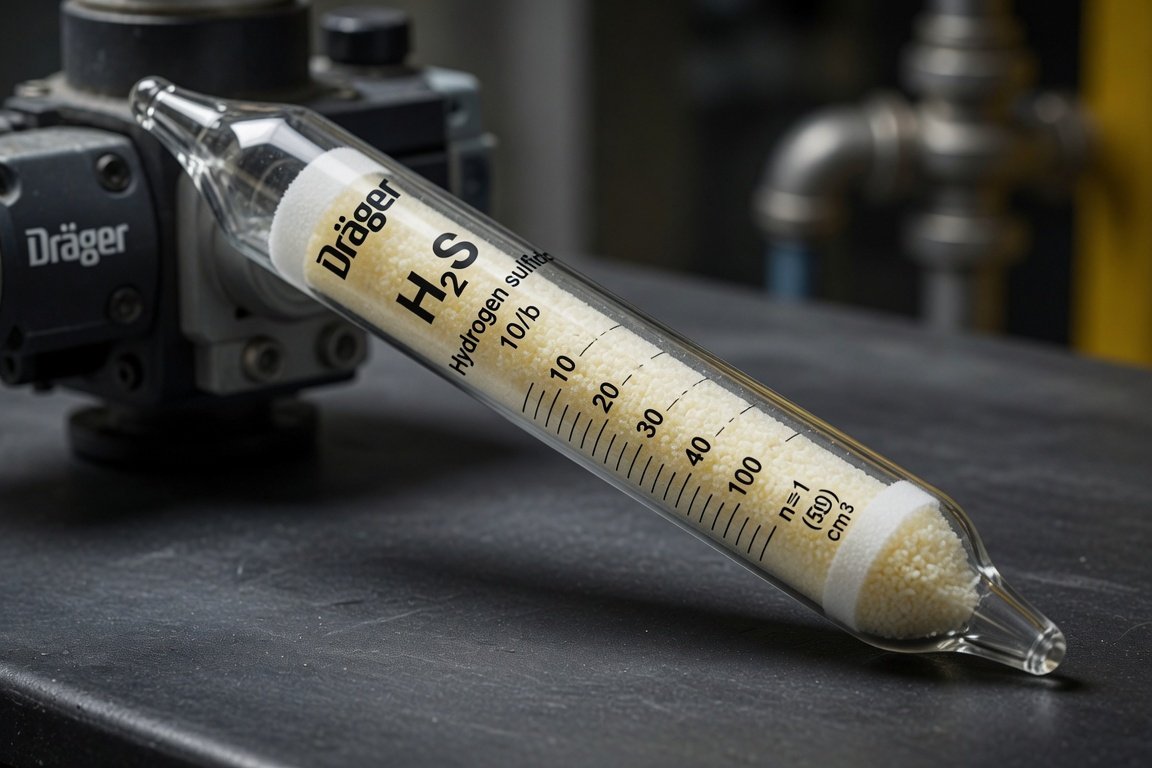
Continuous fixed and personal portable H₂S monitors are essential. Modern systems integrate with SCADA for alarms, data logging, and predictive analytics. Regular calibration and multi-gas detection (including oxygen and combustible gases) enhance safety.
Engineering Controls
Proper ventilation design, dilution strategies, and enclosure of emission sources minimize exposure. Materials selection—using corrosion-resistant alloys in sour service areas—extends equipment life per standards like NACE MR0175/ISO 15156.
Administrative and PPE Measures
Worker training on hazard recognition, emergency response, and confined space entry is mandatory. Respiratory protection, including self-contained breathing apparatus (SCBA), must be available and maintained.
Emergency Preparedness
Mine rescue teams should drill H₂S scenarios. Evacuation protocols, wind direction awareness, and buddy systems reduce risks during incidents.
Environmental Stewardship
Minimizing emissions through efficient removal and exploring sulfur recovery options (converting H₂S to elemental sulfur or sulfuric acid) supports sustainability goals. Tailings management practices that limit anaerobic conditions help prevent generation.
Case Studies and Industry Examples
In Canadian sulfide mines, integrated scrubber and adsorbent systems have successfully reduced ventilation air H₂S, improving air quality and compliance. Australian operations have piloted biological filters for cost-effective treatment of large air volumes. In the U.S., smelters employ regenerative amine systems coupled with Claus sulfur recovery for high-concentration streams.
These examples demonstrate that tailored solutions yield measurable improvements in safety metrics, reduced downtime, and lower environmental footprints.
Future Trends in Mining H2S Management
As mining moves toward deeper, more challenging deposits and greater automation, H₂S management will evolve. Digital twins for process optimization, AI-driven predictive maintenance, and novel nanomaterials for adsorbents promise higher efficiencies. Integration with broader sustainability initiatives, such as carbon capture synergies or circular economy approaches for sulfur byproducts, will gain prominence.
Regulatory pressures for lower emissions and net-zero targets will drive adoption of regenerative and low-waste technologies. Collaboration between operators, technology providers, and regulators will be key to innovation.
Conclusion
Effective H₂S removal and management in the mining industry is a multifaceted endeavor requiring a blend of technical solutions, rigorous safety protocols, and ongoing vigilance. By understanding the unique challenges of mining environments and selecting appropriate technologies, operators can protect workers, safeguard assets, comply with regulations, and contribute to responsible resource extraction.
While no universal solution exists, informed decision-making grounded in site data, lifecycle analysis, and best practices ensures optimal outcomes. Continued research and technology development will further enhance capabilities, supporting a safer and more sustainable mining sector.
This overview draws on general industry knowledge and engineering principles to inform stakeholders. For site-specific applications, consultation with qualified professionals is advised.