Article Content
This detailed article explores the fundamentals, specific Advanced oxidation technologies, applications, design factors, performance data, economics, and implementation strategies for industrial users in 2026.
Industrial wastewater from oil and gas, mining, pulp and paper, chemical processing, and food industries frequently contains dissolved sulfides. Under anaerobic conditions sulfate reducing bacteria convert sulfates into H₂S. The gas is volatile at lower pH, leading to odor complaints detectable at parts per billion levels and safety hazards for workers. Corrosion damages concrete pipes, steel equipment, and instrumentation. Environmental discharge limits are tightening globally, often requiring H₂S below 0.1 to 1 mg/L along with control of associated air emissions.
AOPs address these challenges by producing hydroxyl radicals and other strong oxidants that break down H₂S into sulfate ions or elemental sulfur. This approach offers fast reaction rates, reduced sludge production compared to precipitation methods, and flexibility across concentration ranges.
Fundamental Chemistry Behind AOPs for H2S Removal
The hydroxyl radical (•OH) is the primary actor in most AOPs. It has one of the highest oxidation potentials and reacts almost instantaneously with H₂S and bisulfide ions. Key reaction steps involve radical attack on the sulfur atom leading to progressive oxidation toward thiosulfate, sulfite, and ultimately stable sulfate. Reaction efficiency is influenced by pH, temperature, presence of radical scavengers such as carbonates or high organic content, and the specific oxidant generation method. Proper pH control around neutral to slightly alkaline often maximizes performance while minimizing unwanted side reactions.
Unlike simple aeration or basic chemical dosing, AOPs achieve near-complete destruction rather than just phase transfer, reducing the risk of odor rebound downstream.
Main Types of Advanced Oxidation Processes Used for H2S
Fenton and photo-Fenton processes rely on the combination of ferrous iron catalyst and hydrogen peroxide. The classic Fenton reaction generates hydroxyl radicals efficiently at acidic pH. Adding UV light in the photo-Fenton variant improves iron regeneration and overall radical yield, allowing lower reagent consumption and better performance in neutral conditions. These systems are widely applied for wastewater streams with moderate to high H₂S levels and deliver 85 to 98 percent removal within short contact times.
Ozone-based AOPs including standalone ozonation, peroxone (ozone plus hydrogen peroxide), and UV/ozone combinations provide strong direct oxidation plus radical generation. Ozone is particularly useful when treating gas-phase stripped H₂S or liquid streams with lower organic interference. These processes achieve high removal rates and work well in continuous flow configurations common to larger treatment plants.
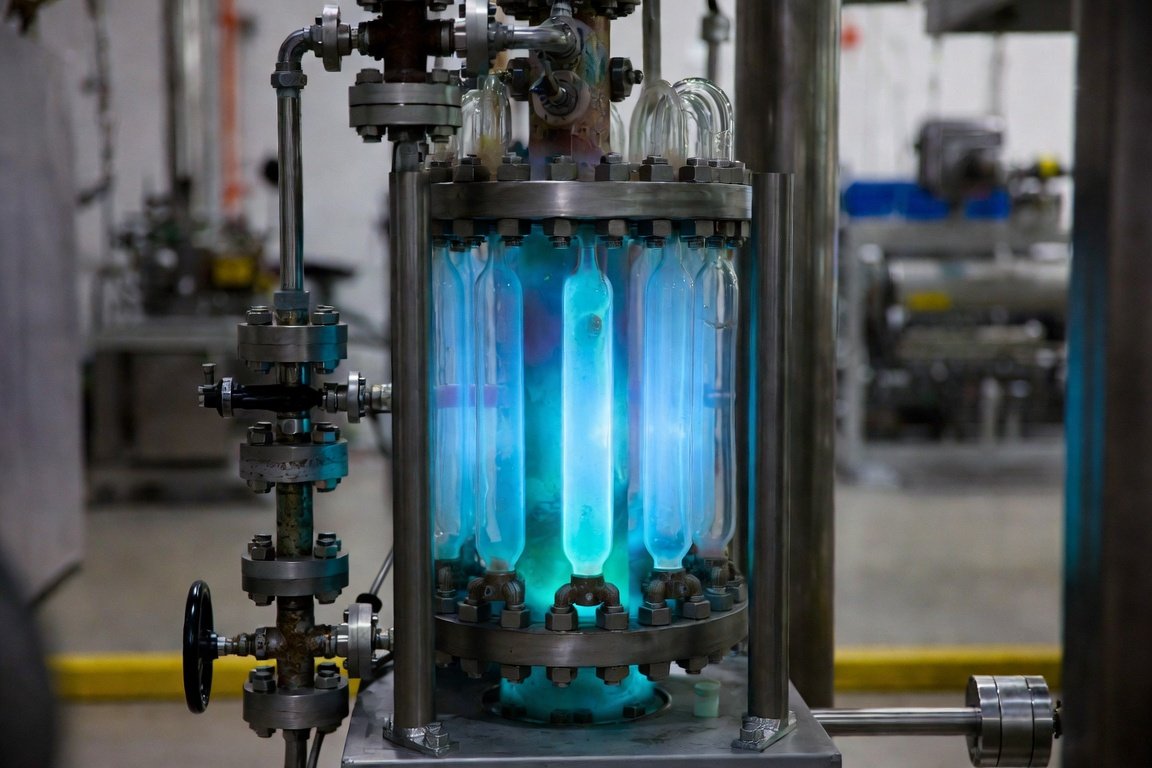
UV activated hydrogen peroxide systems use medium or low pressure UV lamps to split H₂O₂ into two hydroxyl radicals. Modern LED-based UV systems are reducing energy costs and improving reliability. This technology is clean, produces minimal byproducts, and excels at polishing effluents to very low residual H₂S concentrations.
Electrochemical advanced oxidation processes generate oxidants directly at the electrode surface or through electro-Fenton mechanisms. Boron doped diamond anodes are especially effective due to their high oxygen evolution overpotential and robust performance. These systems are modular, require few added chemicals, and can be powered by on-site renewable electricity, making them attractive for remote industrial sites.
Photocatalytic AOPs using titanium dioxide or advanced doped catalysts under UV or solar illumination represent a growing low-energy option. Catalyst immobilization on fixed supports allows continuous operation with minimal material loss.
Practical Applications Across Industries
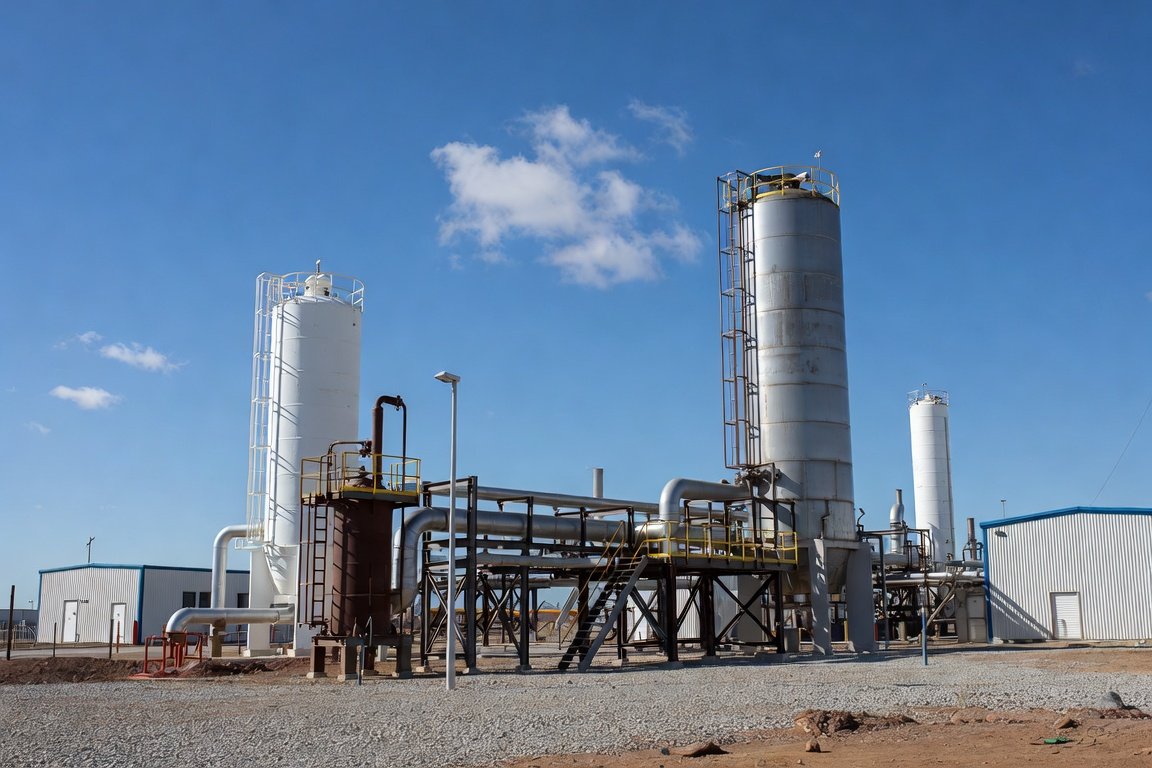
In oil and gas produced water treatment, AOPs effectively handle H₂S alongside hydrocarbons and other organics before reuse or discharge. Mining drainage and tailings water benefit from the ability of AOPs to address variable sulfide loads from sulfide ore processing. Pulp and paper wastewater with high sulfur compounds from pulping liquors sees significant odor reduction and compliance improvements. Chemical plants use targeted AOP stages for specific process effluents containing high sulfide concentrations.
Food processing and municipal-industrial hybrid plants apply AOPs for odor control in anaerobic digester sidestreams. The versatility allows integration into existing treatment trains as a dedicated H₂S destruction step following primary clarification or biological treatment.
System Design and Engineering Considerations
Successful deployment begins with thorough wastewater characterization including H₂S speciation, COD, alkalinity, metals, and pH buffering capacity. Treatability studies at bench or pilot scale are strongly recommended to optimize reagent doses and identify potential interferences.
Reactor designs vary from batch tanks for smaller flows to continuous stirred tank or tubular reactors for larger volumes. UV systems require careful attention to water transmittance and lamp fouling mitigation through periodic cleaning or pretreatment. Electrochemical cells need robust power supplies and electrode monitoring. Hybrid configurations combining AOPs with biological polishing or activated carbon often provide the most robust and economical overall performance.
Automation using online sensors for ORP, pH, H₂S, and flow enables real-time dose adjustment, minimizing chemical overuse and ensuring consistent compliance. Safety features must address oxidant handling, off-gas management, and corrosion resistant materials such as fiberglass reinforced plastic or high alloy stainless steels.
Performance Data, Costs, and Economic Evaluation
Field and pilot data consistently show AOPs achieving 90 to over 99 percent H₂S removal depending on the specific process and optimization. Typical reagent consumption for Fenton systems ranges from 0.5 to 3 kg hydrogen peroxide per kg H₂S removed. Ozone doses are in the 1 to 4 g per g H₂S range. Energy consumption for UV and electrochemical systems has decreased significantly with newer equipment, often falling in the 1 to 10 kWh per cubic meter range for typical industrial strengths.
Capital costs are moderate to higher than simple chemical dosing but are offset by lower long-term operating expenses through reduced sludge handling and higher treatment efficiency. Operating costs typically fall between 5 and 20 dollars per kg H₂S removed, varying with local electricity and reagent prices. Lifecycle cost analyses that include compliance risk reduction and equipment longevity frequently favor well-designed AOP installations over repeated conventional treatments.
By 2026, declining costs for renewable energy, LED UV systems, and improved catalysts continue to enhance the economic case for AOP adoption.
Implementation Roadmap and Best Practices
Begin with detailed site assessment and laboratory treatability testing. Select the most appropriate AOP or hybrid combination based on flow, concentration, and matrix complexity. Design modular systems that allow future expansion or technology upgrades. Incorporate comprehensive monitoring and control systems from the start. Train operators on safety protocols for oxidants and H₂S. Establish regular maintenance schedules for lamps, electrodes, and catalysts. Finally, integrate the H₂S treatment step into the broader wastewater management strategy to maximize synergies with existing biological or physical processes.
Common pitfalls include underestimating scavenger demand due to high background organics or inadequate pretreatment leading to fouling. Addressing these through proper engineering delivers reliable long-term performance.
Future Trends and Outlook
Ongoing research focuses on solar-driven photocatalytic systems, nanomaterial-enhanced catalysts with higher quantum yields, and artificial intelligence for predictive process control. Integration of AOPs with resource recovery goals, such as sulfur reuse or water reuse in zero liquid discharge facilities, aligns with broader sustainability objectives. As industrial facilities face stricter discharge and odor regulations alongside pressure to reduce chemical footprints, AOPs are positioned as a key enabling technology for compliant and efficient operations