
Article Content
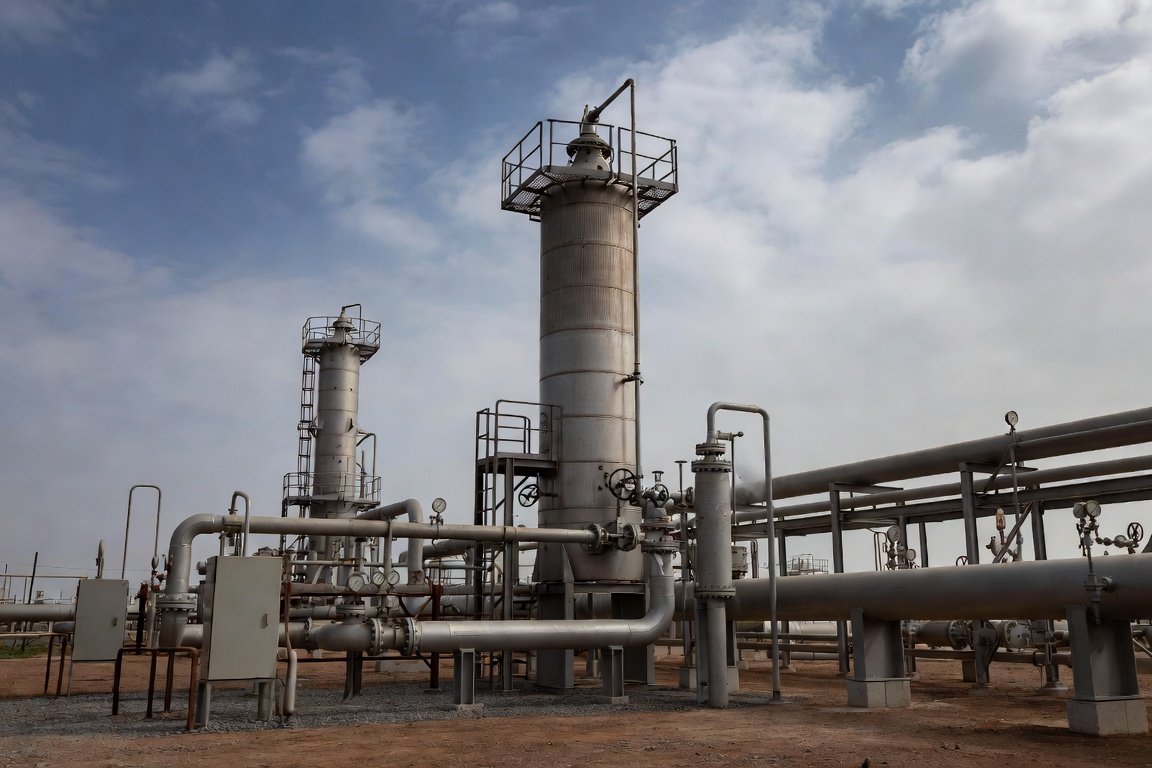
An underground gas storage facility is built to hold and withdraw sales-quality gas. It also holds whatever H2S was in the injected gas, whatever the formation or the cushion gas already contained, and whatever sulfate-reducing bacteria produce in the wellbore and the near-wellbore over years of cycling. On withdrawal the gas comes back through the same wells, often wetter and sometimes richer in H2S than it was on injection. The surface plant then has to meet a pipeline or a fuel-gas specification that the storage reservoir itself does not care about.
Most storage operators know the injected gas was sweet or nearly so. Fewer have a withdrawal-specific H2S plan that covers the first days of a season, a well that has been shut in, or a zone that has soured since the facility was permitted.
Where the Sulfide Comes From
Injected gas is the baseline. Pipeline gas that meets a sales specification can still carry a few ppm of H2S. Over many injection seasons that residual load accumulates in the working gas and in the cushion. A specification that was acceptable for pipeline flow is not automatically acceptable when the same gas is stored and then withdrawn through a well that also contributes formation water.
The reservoir and the wellbore are the second source. Some storage formations, and some depleted fields converted to storage, already contain sulfide or have zones that do. More commonly, sulfate-reducing bacteria colonize the wellbore, the perforations, and any free water that accumulates during shut-in. They use sulfate from formation water or from residual drilling and completion fluids, and they use organic carbon from the gas or from residual chemicals. The result is H2S that appears on withdrawal even though the last injected gas was within specification.
Mixing and stratification are the third. Working gas does not always mix uniformly with cushion gas. A withdrawal that pulls from a sour layer, or from a well that has a water leg, can read higher than the facility average. The first gas after a long shut-in is the usual high point, because bacteria have had months to work and because pressure and temperature changes on startup drive dissolved sulfide into the gas phase.
Surface equipment adds a fourth path. Condensed water in withdrawal lines, separators, and fuel takeoffs can grow bacteria if it sits. A storage facility that is sweet at the wellhead can still sour a fuel header or a tank if the surface system is stagnant.
Why Withdrawal Is Different From Injection
Injection is usually dry, steady, and within a known specification. Withdrawal is wetter, starts and stops with weather and with market, and can carry water and condensate that were not present on the way in. The H2S that was dissolved or generated downhole partitions into the gas as pressure falls on the way up the well. A measurement taken on the injection header does not describe the withdrawal header.
Rate swings matter. A facility that withdraws at a low rate for days and then ramps for a cold snap will see different contact times in any treating vessel and different liquid rates in the separators. A scrubber sized only on the average withdrawal rate can be undersized on the peak day and oversized, with poor turndown, on the shoulder days.
The first withdrawal of a season is the highest-uncertainty case. Wells that have been shut in, glycol or other fluids left in the wellbore, and any workover that introduced sulfate or bacteria all show up in the first gas. Treat that period as a separate design case, not as a minor variant of steady withdrawal.
What Has to Be Protected
The pipeline or the downstream customer sets the withdrawal specification. That is often a few ppm H2S, sometimes tighter if the gas will be used as fuel or if the contract is stricter than the general tariff. The storage facility has to meet that number at the custody meter, not at the wellhead.
Fuel gas and instrument gas taken from the withdrawal stream have their own limits, often tighter than the pipeline number. An engine or a compressor on the storage site can be damaged by a withdrawal that still meets the sales specification. Treat the fuel takeoff as its own stream.
Personnel exposure sits at the wellhead, the separator, and any tank that receives produced water or condensate from withdrawal. H2S that breaks out of water at a tank vent is an exposure even when the gas line is treated. Water from storage wells should be assumed capable of carrying sulfide until a sample says otherwise.
Treating Options That Fit Storage
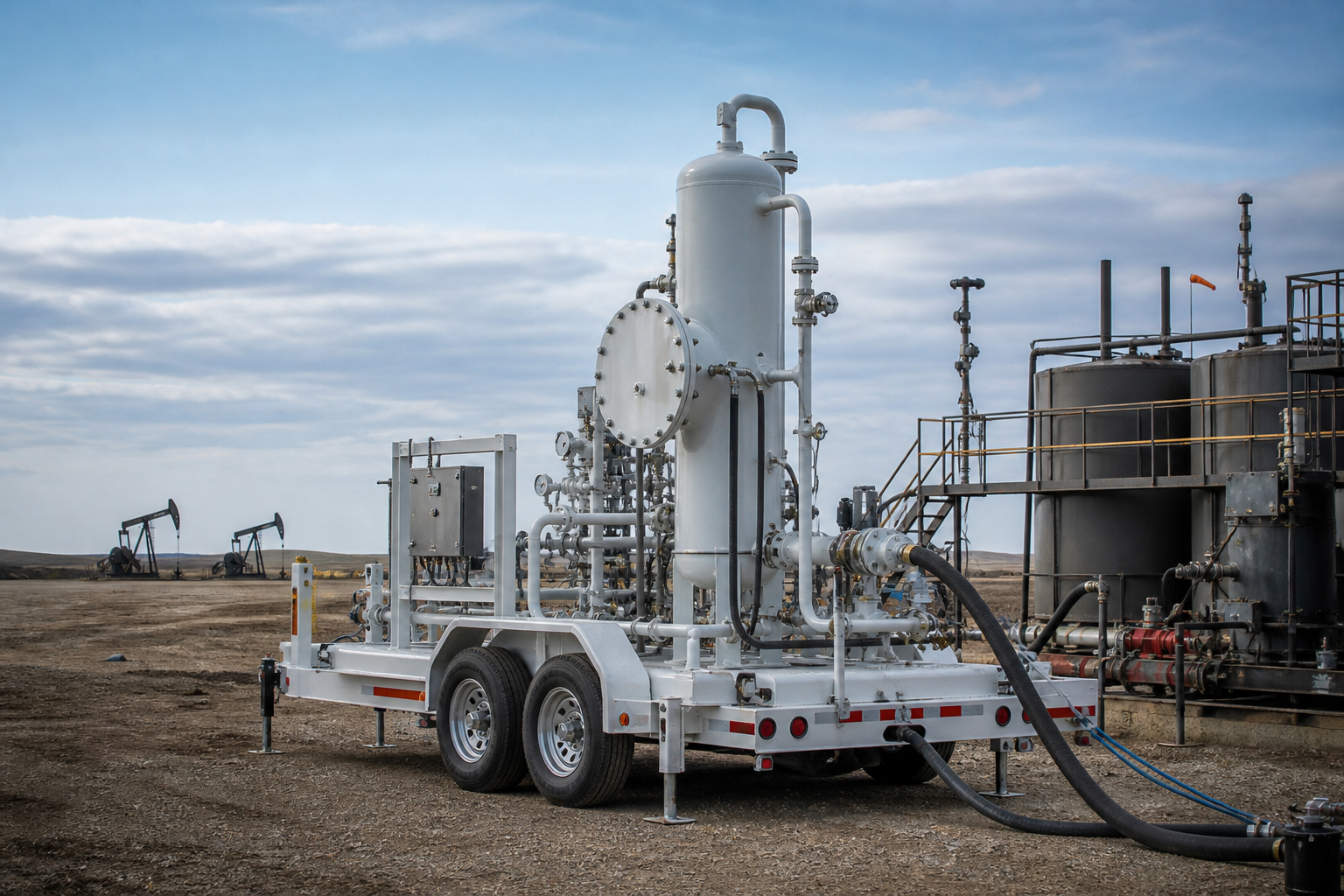
The load is usually low to moderate and variable, and the facility already has compression, dehydration, and metering. Permanent amine is rarely justified for a few ppm that appear only on withdrawal. Local treating on the withdrawal header, or on individual wells that have gone sour, is the usual fit.
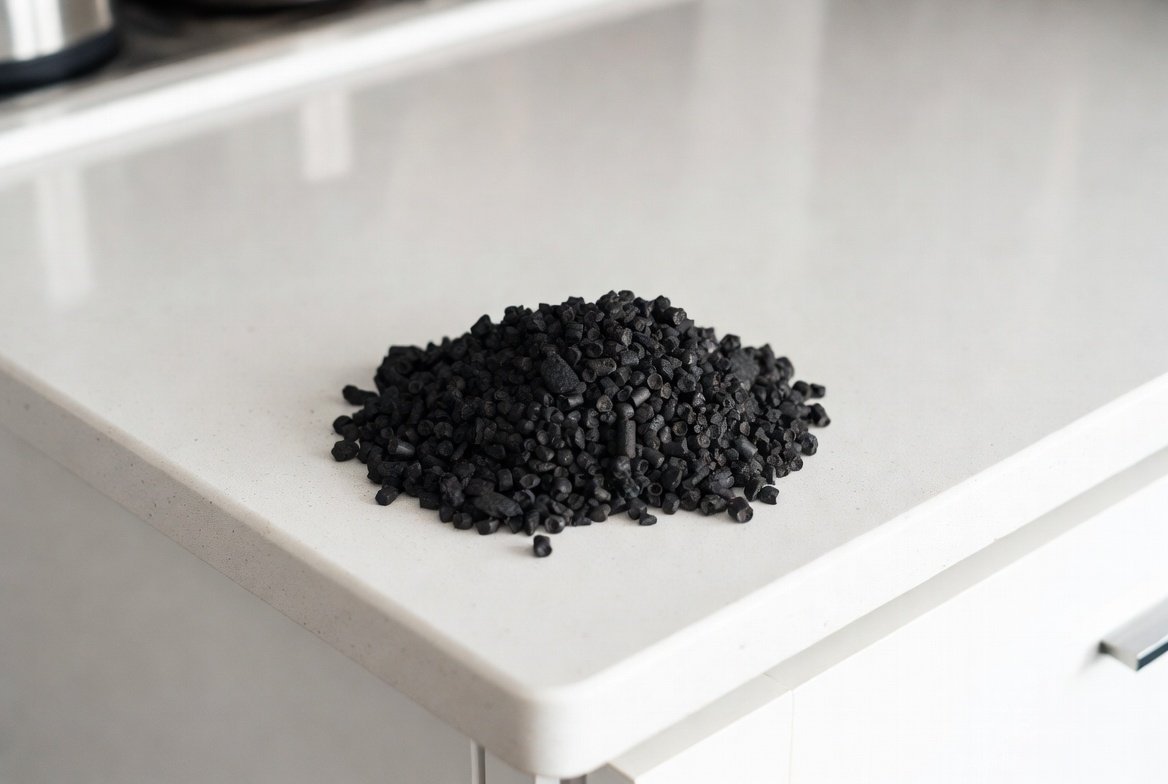
A solid adsorbent bed or a small liquid scavenger contactor on the common withdrawal line covers the base load and the first-of-season peak if it is sized on the high case. Give it turndown. Storage withdrawal is not a flat profile. A second bed, or a clear changeout plan before breakthrough, belongs in the design because a storage facility cannot stop withdrawing because a single bed is spent on a cold day.
Wellhead or flowline injection of scavenger suits a single well that has soured while the rest of the field is clean. It avoids treating the whole stream. Contact time and mixing have to be real. A quill at the separator inlet is late. Confirm the scavenger does not create solids that foul the downstream dehydrator or the meter.
Glycol dehydration, already present on most storage withdrawals, will pick up some H2S and put it in the regenerator overhead. That overhead needs the same attention described for any sour TEG unit: a number on the still-column vent, and a route that is not an open pipe at working height or an untreated tie-in to fuel. Do not assume the dehydrator is only removing water.
| Option | Best use on storage | Watch-out |
| Adsorbent bed on withdrawal header | Low to moderate, variable rate | Turndown, breakthrough on peak day |
| Liquid scavenger contactor | Moderate load, chemical already handled | Level control at low rate, spent chemical |
| Wellhead injection on a sour well | One or two wells high, rest clean | Contact time, solids downstream |
| Treat TEG overhead separately | Dehydrator already concentrates H2S | Vent at working height, fuel tie-in |
| Amine on the whole stream | Rarely, only if load is high and steady | Capital for a seasonal problem |
Bacteria, Shut-In Wells, and Workovers
A well that sits shut in with water in the wellbore is a candidate for bacterial souring. Biocide squeezed or circulated before a long shut-in reduces the risk. It does not remove sulfide already formed. On the first withdrawal after shut-in, sample early and be ready to treat or to curtail that well until the number falls.
Workovers and recompletions introduce fresh fluid. If that fluid carries sulfate and is left downhole, it becomes a feedstock. Treat completion and workover fluids for bacteria and for sulfide before they are left in a storage well. A sweet well can be soured by the fluid used to work on it.
Surface tanks that receive water from withdrawal wells need the same controls as any produced-water tank: closed where practical, scavenger or oxidant if sulfide is present, and a headspace check before gauging or trucking. Storage water is not automatically sweet because the injected gas was.
Monitoring That Matches the Cycle
Sample on withdrawal, at the wellhead of any well with a history, and at the common header after treating. Sample the first day of a season, the first day after a shut-in, and any day a new well is brought on. A quarterly grab taken only on injection does not describe withdrawal.
Continuous H2S on the withdrawal header is justified when the contract is tight or when one or more wells have shown variability. If a continuous analyzer is not in place, a scheduled tube or portable meter at the transitions will catch most problems. Log the number with the withdrawal rate and with which wells are online.
Watch the dehydrator overhead and the fuel-gas takeoff as separate points. They can be out of specification while the main header is still inside it.
A Storage Withdrawal Setup That Holds
For a facility with any history of H2S on withdrawal, or with shut-in wells and water, the set that works is short.
- Treat the first-of-season and post-shut-in cases as design cases, not as steady-state averages.
- Put removal on the withdrawal header or on the sour wells, sized on the peak rate and the high H2S case, with turndown.
- Route and treat the TEG regenerator overhead. Do not leave it as an open or fuel-tied vent.
- Sample at the wellhead and after treating on the days the operating mode changes.
- Biocide or treat fluids left in wells, and treat water tanks that receive withdrawal water.
That is a bed or a contactor, a vent plan, and a sampling habit tied to the storage cycle. It is what keeps a withdrawal inside a specification the reservoir will not hold by itself.
| Situation | First action | Do not |
| First withdrawal of the season | Sample early, have treating online | Assume last year’s steady number |
| Well shut in for months | Sample that well first, be ready to treat or curtail | Blend it in and check only the header |
| Fuel taken from withdrawal gas | Confirm against the engine or instrument limit | Use the pipeline spec as the fuel spec |
| TEG on the withdrawal | Measure and route the still-column overhead | Treat the dehydrator as water-only |
| Water tank from storage wells | Check headspace before gauging or trucking | Assume storage water is sweet |
Cushion gas that has been in place for years can carry a different H2S level than the working gas. On a withdrawal that pulls deeper into the cushion, the header number can rise even if every recent injection was in specification. Note how far into the cushion the facility is operating when the samples are taken, and treat a deep withdrawal as its own case.
What to Settle Before the Next Withdrawal Season
Three checks sort most storage H2S problems. Is there a measured withdrawal number, not only an injection number. Is the treating sized for the first days and the peak day, with a way to change it out without stopping. And does the fuel takeoff and the dehydrator vent have their own limits and their own routes. A storage facility that cannot answer those three will meet its specification on paper and miss it on the first cold week.
Hydrogen sulfide in underground storage is a withdrawal and a wellbore problem more than an injection problem. Treat the gas that comes out, on the days it is worst, and do not use the injected-gas specification as a substitute for a reading on the way back up the well.