Article Content
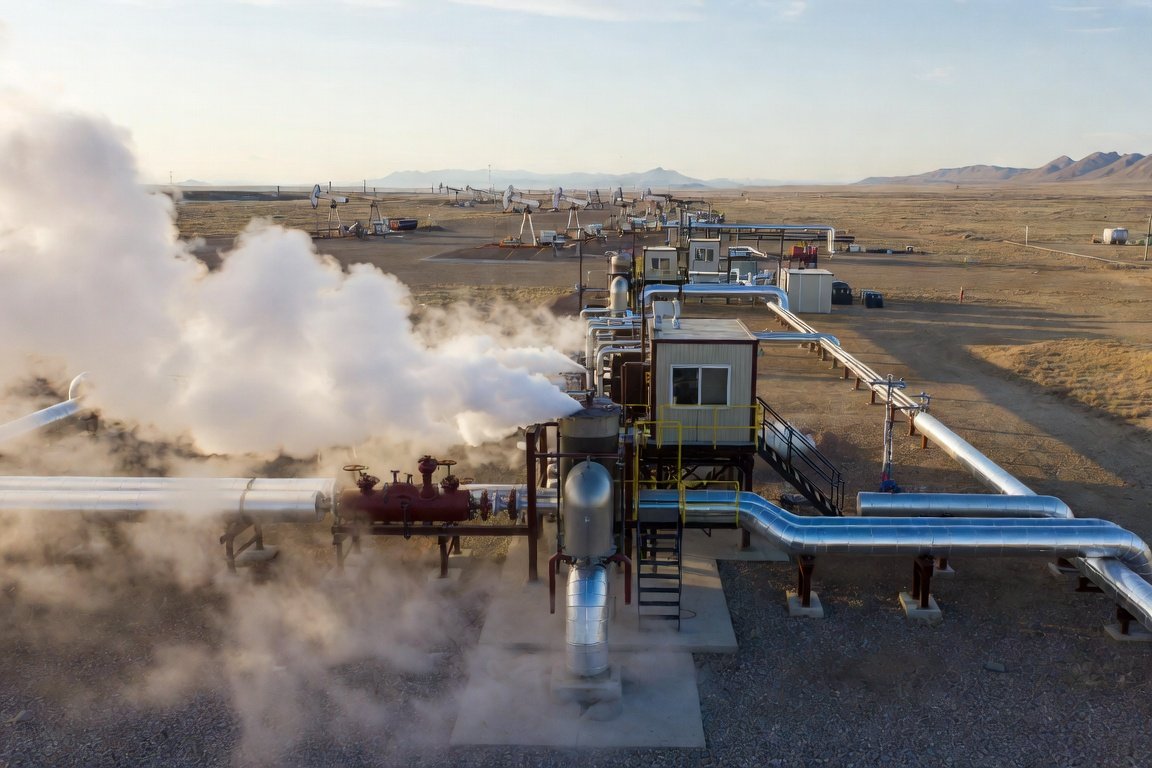
Mobile H2S scrubbers give operators a practical way to meet pipeline, flare, or fuel-gas specs when souring is short-lived, uncertain, or still being defined. Across Western Canada, trailer-mounted H2S scrubber packages are increasingly used for temporary H2S treating on lease batteries, gathering systems, and midstream nodes—especially when permanent CAPEX would sit idle for years or never pay back. The lease vs buy H2S removal question is rarely about chemistry alone; it is about campaign length, sulfur load uncertainty, and how fast you need to be online. This article is an unbiased engineering overview of when temporary treating wins, what to specify in a trailer package, and how to run a disciplined lease-versus-buy decision.
When Temporary Treating Beats Permanent Capex
Permanent sweetening—amine, redox, or a fixed adsorbent train—makes sense when H2S load, flow, and project life are stable. Many assets never look like that. Temporary treating often wins when:
- Turnarounds and plant outages — Downstream amine or sulfur recovery is offline, but upstream production must continue. A mobile package can protect sales gas, fuel gas, or flare gas for days to weeks.
- Well tests, completions, and flowbacks — Sour rates and water cuts are unknown until after clean-up. Operators need compliance now, not after a six-month FEED cycle.
- Facility start-ups and commissioning — Inlet H2S can spike while dehydrators, compressors, or regenerators are still being tuned.
- Late-life and declining fields — Remaining reserves may not justify a permanent vessel and foundation, yet residual H2S still exceeds sales or fuel specs.
- Permit, right-of-way, or power delays — Permanent equipment is ordered or approved, but construction lags. Temporary treating bridges the gap.
- Peak souring and seasonal swings — Some batteries see elevated H2S after workovers, waterflood changes, or warmer months when scavenger demand jumps.
In each case the economic question is not “which chemistry is cheapest per kilogram forever,” but “how do we stay compliant and productive for a defined window without stranding capital?”
What Operators Usually Mean by a Mobile or Trailer-Mounted Package
“Mobile H2S scrubbers” is a broad label. In practice, rental and lease fleets in Western Canada typically fall into a few patterns:
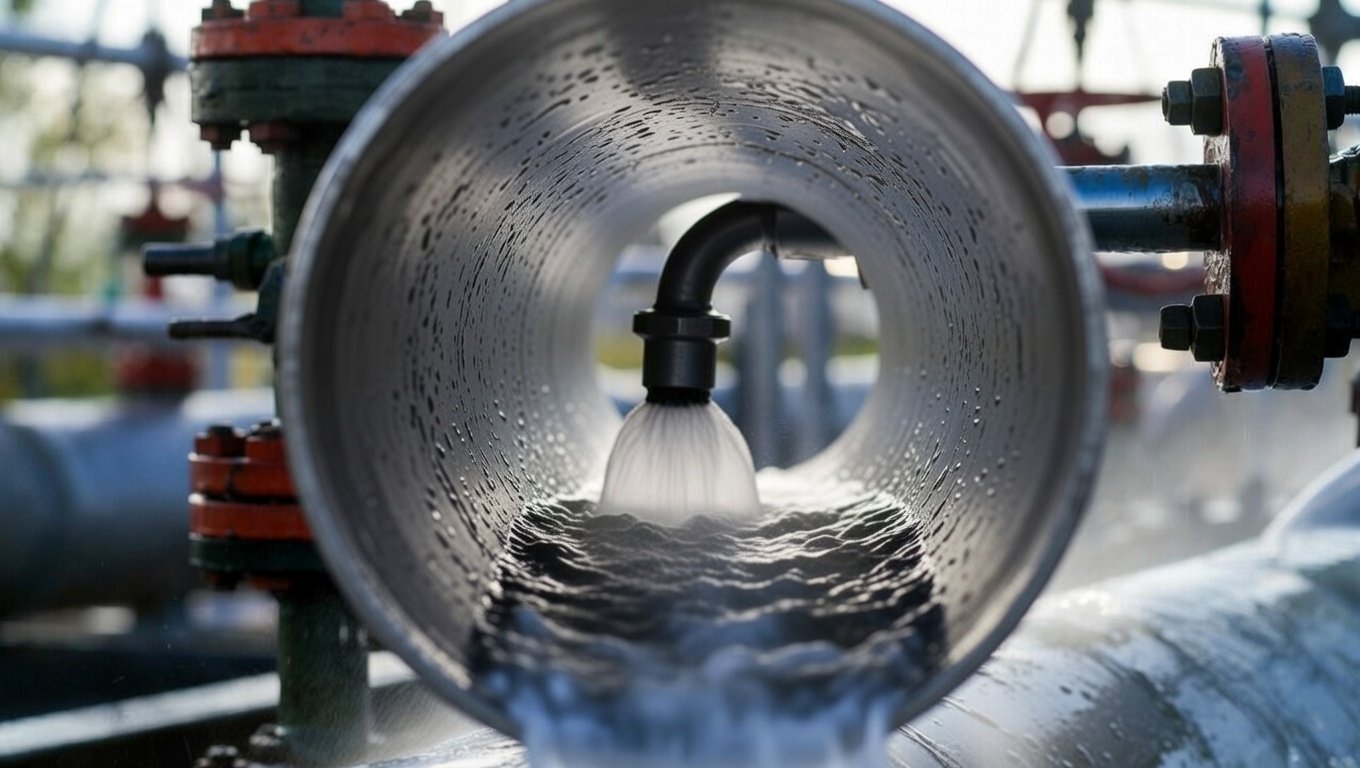
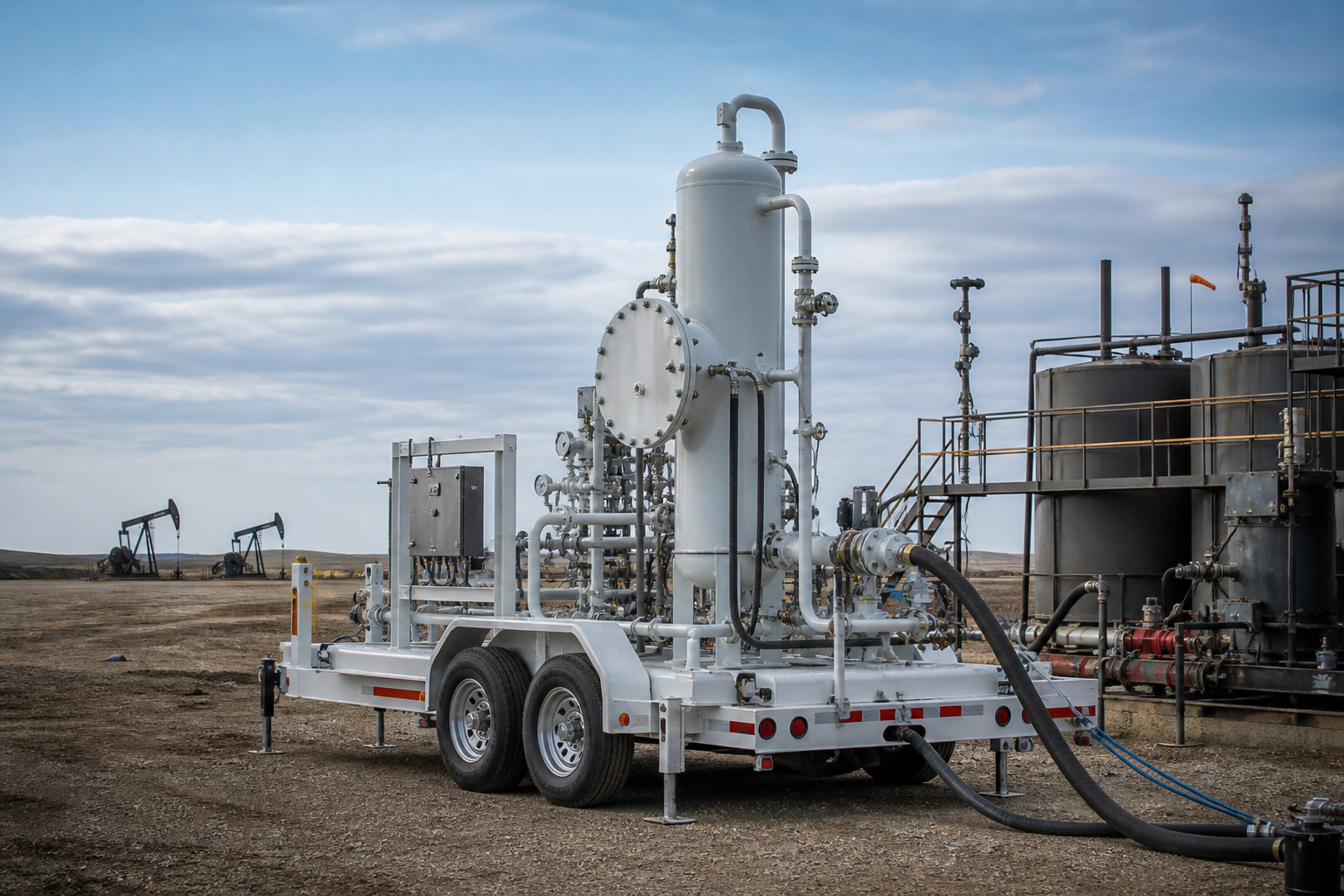
- Trailer-mounted liquid contactor / scrubber skids — Contactor, liquid circulation (where used), pumps, level control, and basic instrumentation on a highway-legal trailer or multi-axle skid.
- Mobile fixed-bed adsorbent vessels — Iron-based or other solid media in transportable vessels, sometimes dual-train for online changeout.
- Hybrid temporary trains — Bulk liquid treating plus a polishing bed when outlet specs are tight (illustrative pipeline targets often sit near 4 ppm H2S; always confirm the specific tariff or AER/BCER requirement for your stream).
- Injection-only temporary setups — Chemical injection with temporary piping and analyzers; lower equipment intensity, higher chemistry and logistics intensity at rising sulfur loads.
The right package depends on sulfur loading (kg/d or LTPD), pressure, CO2, liquids carryover, and whether the duty is continuous or intermittent. Temporary does not mean “underspecified”—it means “right-sized for a finite campaign.”
Trailer Design Considerations That Matter in the Field
A trailer that looks complete in a yard photo can still fail on a pad. Operators evaluating a trailer-mounted H2S scrubber should push past brochure capacity and ask about:
- Pressure rating and metallurgy — Match MAWP to wellhead, compressor discharge, or gathering pressure with appropriate design margin. Sour service materials and NACE considerations matter when H2S partial pressure is meaningful.
- Turndown and dual trains — Well tests and start-ups swing hard. Dual beds or parallel contactors reduce the risk of breakthrough during changeout or rate spikes.
- Footprint, axle loads, and access — Lease roads, frost laws, and crane availability constrain what can actually mobilize. Confirm highway legality, winter weights, and pad layout early.
- Instrumentation and sampling — Continuous inlet/outlet H2S (or well-planned grab sampling), differential pressure on beds, liquid level, and shutdowns tied to the host facility’s ESD philosophy.
- Cold-weather readiness — Heat tracing, insulation, glycol or methanol strategy for freeze protection, and enclosed pump packages for Alberta and Saskatchewan winters.
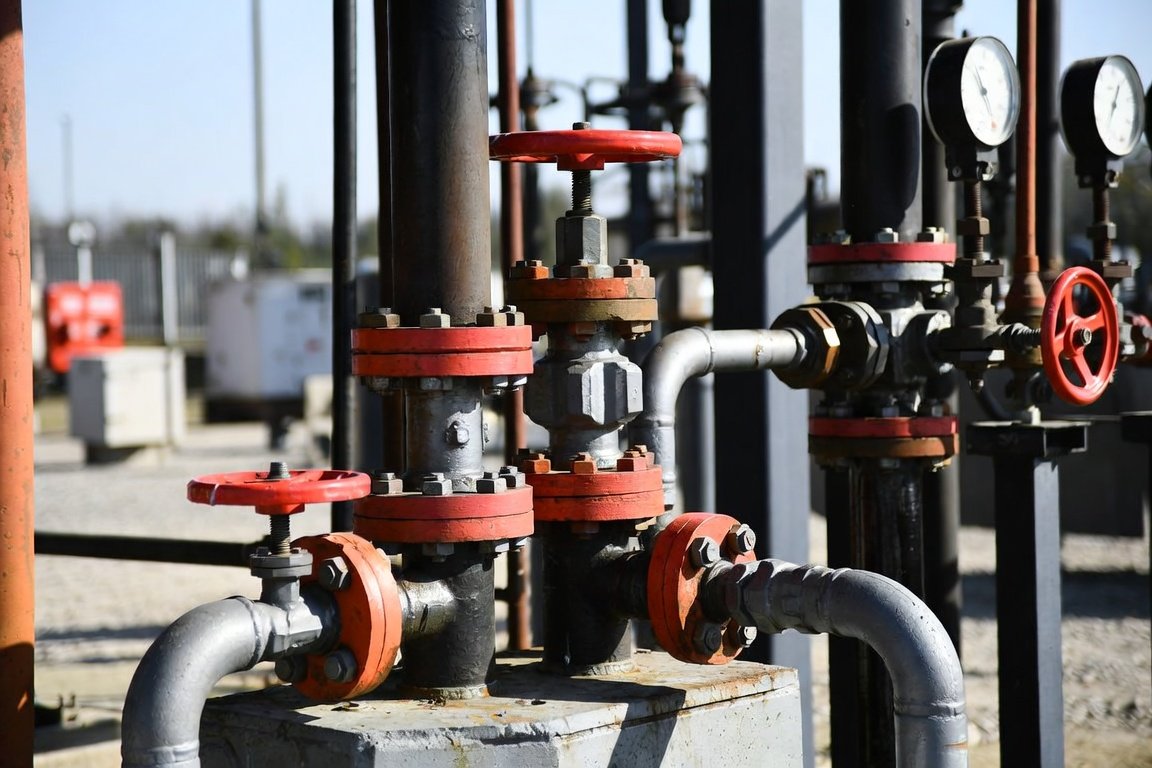
- Tie-in design — Flanged spool kits, temporary piggable jumpers where needed, drip pans, and clear ownership of isolation valves between producer and vendor.
Illustrative field ranges (not guarantees): many temporary campaigns treat low-to-moderate sulfur loads—often from tens of kilograms per day up into the low hundreds—at pressures from near atmospheric fuel-gas duty to several thousand kPa gathering service. Always size from measured gas analysis and flow, not from a single “typical” number.
Utilities, Logistics, and Site Integration
Temporary H2S treating fails more often on logistics than on chemistry. Plan for:
- Power — Pumps, heaters, analyzers, and heat trace. Clarify whether the package needs site power, a rental genset, or can run largely passive (some solid-bed duties).
- Instrument air / nitrogen — For valves, purge, and safe vessel entry procedures during media changeout.
- Water and drainage — Condensate knock-out, scrubber liquid make-up or blowdown, and secondary containment that meets lease and environmental expectations.
- Access for totes, vacuum trucks, and media bins — Spent chemistry and solids move on a schedule. If the pad cannot stage totes or a roll-off, changeout cost and downtime climb quickly.
- Communications and manpower — Who watches the unit overnight? Who responds to high DP or rising outlet H2S? Temporary packages still need an operating philosophy.
Western Canadian winters amplify every one of these items. A summer well-test package is not automatically a winter start-up package.
Spent Media and Chemistry Handling
Temporary treating still creates wasteand disposal often dominates campaign OPEX. Treat waste planning as a design input, not an afterthought:
- Liquid scavenger byproducts — May classify differently by formulation and jurisdiction. Solids formation, biocidal residuals, and tanker logistics all affect cost and schedule.
- Spent solid adsorbents — Iron sulfide–bearing media can be pyrophoric when mishandled dry and exposed to air. Wet handling, inerting, and approved receivers are standard practice—not optional.
- Manifesting and chain of custody — Confirm waste classification, transporter, and disposal site before the unit arrives, especially for remote pads with long haul distances.
- Changeout windows — Dual-train designs or temporary bypass (where permitted and safe) limit production impact. Single vessels force a planned outage; build that into the campaign plan.
Lifecycle cost thinking still applies to temporary work: a chemistry that looks cheap per tote can lose if disposal, trucking, and downtime dominate. Pair this article with a full LCCA mindset when campaigns stretch from weeks into months.
Safety and Operating Discipline for Temporary Sour Service
Mobile equipment does not relax H2S safety standards. At minimum, campaigns should address:
- Area classification and gas detection — Fixed or portable detection around the skid, tie-ins, and spent-media handling zones.
- Breathing apparatus and escape routes — Especially during media changeout, liquid transfer, and first introduction of sour gas.
- Isolation, purging, and blinding — Written procedures for hook-up, start-up, and demob; verify host facility lockout/tagout interfaces.
- Emergency response — Who shuts in, who calls for medical/rescue support, and how the temporary unit interacts with existing ESD and flare systems.
- Contractor interfaces — Clear roles among producer ops, treating vendor, and waste hauler. Temporary packages often fail at the handoff points.
If the campaign involves elevated H2S in enclosed or congested pads, treat the trailer like any other sour facility—because for the duration of the job, it is one.
Lease vs Buy: Framing the Decision Without the Sales Pitch
Lease vs buy H2S removal is rarely a pure accounting preference. Use a simple decision frame:
| Factor | Temporary / mobile treating (lease or rent) | Permanent treating (owned CAPEX) |
|---|---|---|
| Best when | Finite campaign, uncertain load, delayed permanent install | Multi-year stable load and clear outlet duty |
| Cash profile | Mostly OPEX; mobilization + chemistry + disposal | Higher upfront CAPEX; lower unit cost if fully utilized |
| Speed to compliance | Days to a few weeks typical (site-dependent) | Months for design, procurement, install, and permit |
| Flexibility | Redeploy, resize, or demob when souring fades | Fixed footprint; modification costly |
| Ownership of risk | Utilization and performance shared via contract terms | Operator owns long-term reliability and obsolescence |
| Typical limitations | Logistics, weather, sulfur load ceiling, rental availability | Overbuild risk if reserves or H2S decline |
Lease or rent when the duty is short, uncertain, or bridging to a permanent solution. Buy when utilization is high, the process is proven on that stream, and stranded-asset risk is low. Many operators run a temporary package first as a de-risking step—measure real sulfur load, then finalize permanent technology selection.
Contract language matters as much as the skid: performance guarantees (inlet range, outlet target), who supplies chemistry, who owns waste, demurrage for delayed demob, and winter readiness should be explicit.
Limitations of Mobile and Trailer-Mounted Treating
Temporary treating is not a universal substitute for permanent sweetening. Know the edges:
- Very high continuous sulfur loads — Large LTPD duties usually favor regenerative processes or permanent adsorbent trains sized for the life of the field.
- Ultra-tight multi-contaminant specs — Simultaneous deep H2S, mercaptan, and CO2 control may need a hybrid or plant-scale design beyond a single trailer.
- Severe space, noise, or lease constraints Not every pad can host a trailer, genset, and waste staging area.
- Long campaigns that quietly become permanent — A “three-month” rental that runs three years often costs more than a properly designed owned system. Revisit economics at defined checkpoints (for example, 90 and 180 days).
- Data quality — Undersized temporary units usually start with incomplete gas analysis or optimistic flow assumptions. Sample properly before you mobilize.
Temporary H2S treating buys time and optionality. It does not erase the need for correct technology selection when the asset settles into a long-term profile.
Conclusion
Mobile H2S scrubbers and trailer-mounted packages are tools for matching treating capacity to real operating uncertainty—turnarounds, well tests, start-ups, late-life pads, permit delays, and peak souring—without forcing permanent CAPEX into every scenario. Success depends less on marketing labels and more on trailer design fit, utilities and winter logistics, spent chemistry handling, sour-service safety discipline, and an honest lease vs buy checkpoint as the campaign evolves.
FirstKlaz Technologies supports operators with H2S scavengers and adsorbents, scrubber and bubble-column design, and mobile scrubber lease/rent (OPEX) options, along with RFP and technology-selection support when temporary treating should transition to a permanent or hybrid solution. For an unbiased engineering discussion of a campaign or a lease-versus-buy screen, contact info@fklaz.com.