Article Content
Unlike gasoline or diesel, asphalt is not deliberately “made” in the traditional sense. It is the heaviest residue left after crude oil is processed to extract lighter, higher-value fractions. This residue must still meet strict performance specifications for viscosity, penetration, and durability. At the same time, asphalt derived from sour or heavy crudes can contain or generate hazardous sulfur compounds — most notably hydrogen sulfide (H2S). H2S is extremely toxic, flammable, and can accumulate in tank headspaces, loading racks, and transport vessels. Managing H2S is therefore a core safety, environmental, and operational requirement throughout the asphalt supply chain.
This article explains exactly how asphalt is produced in modern refineries, why dangerous components like H2S appear, and the proven methods the industry uses to remove or neutralize them.
What is Asphalt? Composition, Properties, and Uses
Asphalt is a complex colloidal mixture of hydrocarbons. Typical elemental composition is approximately 80–85% carbon, 9–11% hydrogen, and up to 6% sulfur, with smaller amounts of oxygen, nitrogen, and trace metals such as nickel and vanadium. The material is usually described in terms of asphaltenes (high-molecular-weight, polar components that give asphalt its stiffness) dispersed in maltenes (the lighter oily and resinous fraction).
Key physical properties — penetration (hardness), softening point, ductility, and viscosity — vary significantly depending on the source crude and the processing severity. Modern specifications in North America follow the Performance Graded (PG) system, which rates asphalt according to the high and low temperatures it must withstand in service. Other grading systems (penetration grade, viscosity grade) are still used in many countries.
Common product types include:
- Straight-run or vacuum-distilled paving grades used in hot-mix asphalt (HMA).
- Air-blown or oxidized grades for roofing, which are harder and more weather-resistant.
- Polymer-modified asphalts (typically with SBS or EVA) for high-traffic or extreme-climate applications.
- Emulsified asphalts and cutbacks for cold-mix, tack coats, and sealcoats.
Roughly 80% of all asphalt ends up in road construction. The remaining 20% serves roofing, waterproofing, and specialty industrial uses. Because asphalt is thermoplastic and recyclable, reclaimed asphalt pavement (RAP) is routinely milled from old roads and reused, reducing both cost and the environmental footprint of new production.
The Petroleum Refining Process for Asphalt Production
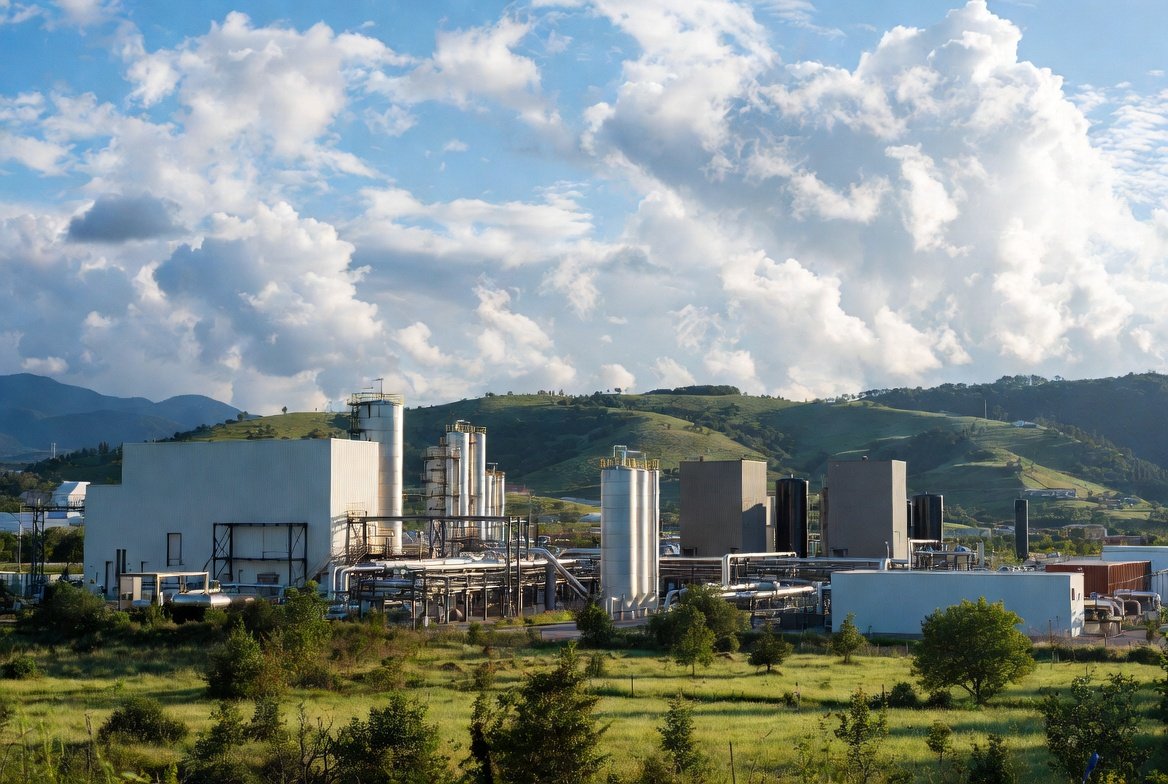
Asphalt originates in the vacuum tower bottoms of a petroleum refinery. The process begins with careful crude selection. Not every crude oil yields high-quality asphalt; refiners choose crudes with the right balance of heavy hydrocarbons and manageable sulfur content.
Desalting and Atmospheric Distillation
Crude oil first passes through a desalting unit where fresh water and electric fields remove salts, solids, and water that could cause corrosion or fouling downstream. The desalted crude is then heated in a series of heat exchangers and a fired furnace to approximately 350–400 °C before entering the atmospheric distillation column. Inside this tall fractionation tower, hydrocarbons separate according to their boiling points. Lighter fractions — butane, gasoline, naphtha, kerosene, and gas oil — are drawn off at different tray levels. The heaviest material that does not vaporize under atmospheric pressure falls to the bottom as atmospheric residue.
Vacuum Distillation — The Key Step for Asphalt
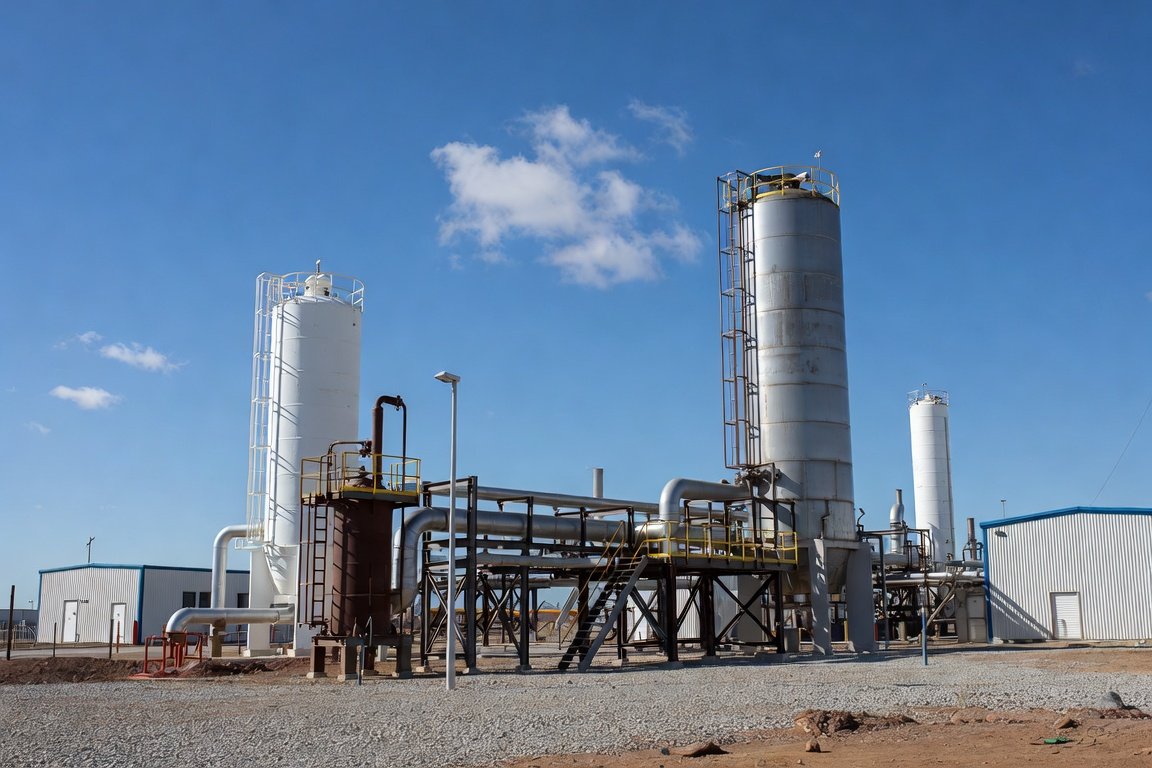
The atmospheric residue still contains valuable lighter molecules that can be recovered. It is therefore sent to a vacuum distillation unit (VDU). By operating the tower under reduced pressure (typically 10–40 mm Hg), the boiling points of the heavy hydrocarbons are lowered, allowing further separation without excessive thermal cracking. The vacuum tower produces vacuum gas oils (which are usually sent to cracking units) and leaves behind the vacuum tower bottoms — the primary feedstock for asphalt.
At this stage the material is still hot (often above 300 °C). It may be routed directly to storage or subjected to additional processing depending on the desired final grade.
Further Processing: Deasphalting and Air Blowing
Some refineries use solvent deasphalting with propane or butane to extract additional deasphalted oil from the vacuum residue, leaving a harder asphalt. For roofing grades, the bitumen is often “air-blown” — hot air is bubbled through the material at 200–250 °C. Partial oxidation and polymerization increase the asphaltene content, raising the softening point and making the product more suitable for shingles and waterproofing membranes. Air blowing can also generate additional H2S and other off-gases that must be captured and treated.
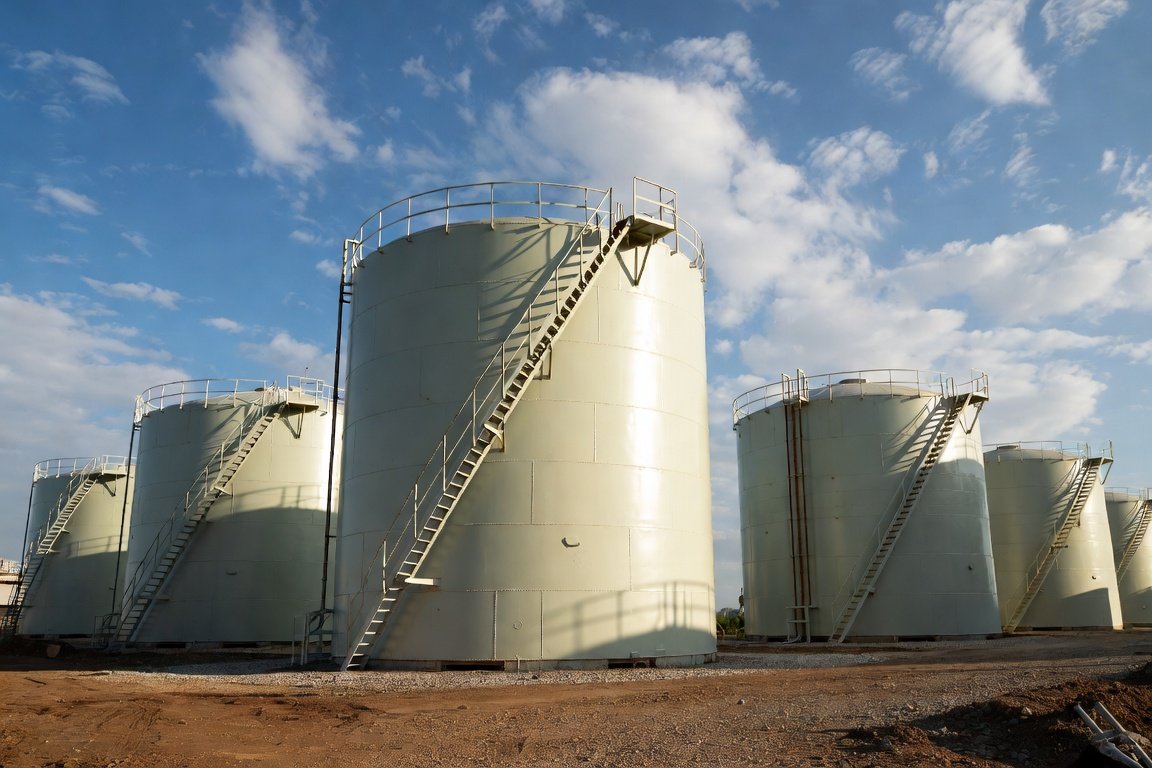
Finally, different asphalt streams are blended in tanks to meet exact customer specifications. The finished product is stored at 150–200 °C in insulated, agitated tanks before being loaded into trucks, railcars, or barges for delivery to hot-mix plants or terminals.
Hazardous Components in Asphalt — The H2S Challenge
Many crudes, especially heavy and sour grades, contain significant sulfur. While lighter distillates are hydrotreated or sweetened, the vacuum residue receives far less processing. Sulfur compounds become concentrated in the asphalt. When this material is subsequently heated during storage, loading, transport, or mixing at an asphalt plant, thermal decomposition of these compounds releases hydrogen sulfide (H2S) into the vapor space above the liquid.
H2S is a colorless, flammable gas with a characteristic rotten-egg odor at very low concentrations. At higher levels it rapidly paralyzes the sense of smell, making it especially dangerous. Exposure limits are strict: ACGIH has set a TLV of 1 ppm with a 5 ppm STEL. Concentrations above 100 ppm can cause rapid unconsciousness, and levels above 700 ppm can be fatal within minutes. In asphalt operations, H2S tends to accumulate in the headspaces of storage tanks, railcars, and truck trailers. Agitation during loading dramatically increases the amount of gas released into the breathing zone.
Other hazardous emissions associated with asphalt include volatile organic compounds (VOCs), polycyclic aromatic hydrocarbons (PAHs) in fumes, particulate matter from hot-mix plants, and sulfur dioxide. Worker exposure at refineries, terminals, and paving sites, as well as odor complaints from nearby communities, have made H2S abatement a priority across the industry.
Strategies for Removing and Mitigating H2S in Asphalt Production and Handling
Because asphalt is the bottom of the barrel, conventional refinery sweetening processes are not practical. Instead, the industry relies on a combination of chemical scavengers, vapor control systems, and operational discipline.
Refinery-Level H2S Treatment
In the upstream parts of the refinery, H2S present in overhead gases and lighter streams is routinely removed using amine absorption (typically MDEA or other alkanolamines). The rich amine is regenerated, and the released H2S is converted to elemental sulfur in a Claus plant or tail-gas treatment unit. These well-established technologies handle the majority of H2S generated during crude processing. However, they have limited effect on the sulfur compounds that remain dissolved or bound in the heavy vacuum residue.
Chemical Scavengers Added Directly to Asphalt
The most effective and widely adopted method for controlling H2S evolution from finished asphalt is the addition of specialized chemical scavengers. Oil-soluble metal-based compounds — particularly zinc carboxylates and zinc naphthenate — are injected into the hot asphalt stream (usually above 180 °C) before it reaches storage tanks. These additives react rapidly with H2S to form stable, non-volatile metal sulfides that remain in the liquid phase rather than partitioning into the vapor space.
Other scavenger chemistries, including certain alkanolamines and proprietary organometallic formulations, are also used. The key advantages of modern asphalt-grade scavengers are:
- High capacity and fast reaction kinetics at typical asphalt storage and handling temperatures.
- Low treat rates (dosages are optimized through field trials and typically fall in the range of tens to a few hundred parts per million).
- Minimal or no impact on finished asphalt properties such as penetration, softening point, or PG grade.
Because laboratory predictions do not always match real-world conditions (temperature, residence time, agitation), most operators validate performance with on-site testing protocols using sealed sample cans and calibrated gas detection tubes or monitors.
Vapor Recovery and Emission Control Systems
Even with effective scavengers, some H2S can still be present in displaced vapors during tank filling or loading. Vapor recovery units (VRUs) capture these vapors and route them to a scrubber or thermal oxidizer. Wet caustic scrubbers or specialized H2S scrubbers efficiently remove the remaining gas before discharge. At hot-mix asphalt plants, enclosed mixing drums, baghouse filters for particulates, and thermal oxidizers or biofilters for organic vapors and H2S further reduce emissions.
Operational Controls and Monitoring
Engineering controls are reinforced by rigorous operational practices:
- Continuous area and personal H2S monitoring with alarms set at low thresholds (often 5–10 ppm).
- Strict temperature management to avoid unnecessary overheating.
- Proper tank design, venting, and agitation control to minimize headspace accumulation.
- Confined-space entry procedures, respiratory protection programs, and comprehensive worker training.
- Rapid loading and unloading to limit the time vapors can build up.
These layered defenses — chemical treatment plus vapor capture plus monitoring and procedures — have dramatically improved safety across asphalt operations.
Safety Regulations and Environmental Considerations
Regulatory agencies worldwide impose strict limits on H2S exposure and emissions. In the United States, OSHA and NIOSH standards, together with state and local air-quality rules, govern asphalt facilities. In Canada, provincial regulators such as the Alberta Energy Regulator (AER) set requirements for sour crude handling and emissions. Asphalt plants typically require air permits that address particulate matter, VOCs, and H2S. Increasing emphasis is also placed on community odor reduction and the use of recycled materials to lower the overall carbon and emission footprint of asphalt production.
Conclusion
Asphalt remains an indispensable material for modern infrastructure because it transforms the heaviest, least valuable fraction of crude oil into durable, recyclable pavements and waterproofing products. The same properties that make asphalt valuable — its high molecular weight and complex chemistry — also concentrate sulfur compounds that can release toxic H2S when heated. Through a combination of upstream refinery amine treating and Claus sulfur recovery, targeted chemical scavengers added directly to hot asphalt, vapor recovery and scrubbing systems, and disciplined operational controls, the industry has developed reliable methods to manage this hazard. As global crude slates continue to include more heavy and sour material, ongoing innovation in H2S scavenger chemistry and emission-control technologies will remain essential to protect workers, communities, and the environment while delivering the high-performance asphalt that modern infrastructure demands.