Article Content
MEA triazine (Monoethanolamine) is one of the most widely used liquid chemical scavengers for hydrogen sulfide (H₂S) removal in the oil and gas industry. As sour gas production continues in regions like Alberta and beyond, effective H₂S management is critical for safety, regulatory compliance, equipment integrity, and environmental protection. This article provides an in-depth exploration of MEA triazine, covering its synthesis, reaction pathways with H₂S, reaction products, solids formation mechanisms, field applications, operational challenges, and mitigation strategies. Understanding these aspects enables operators to optimize performance while minimizing downtime and costs.
What is MEA Triazine?
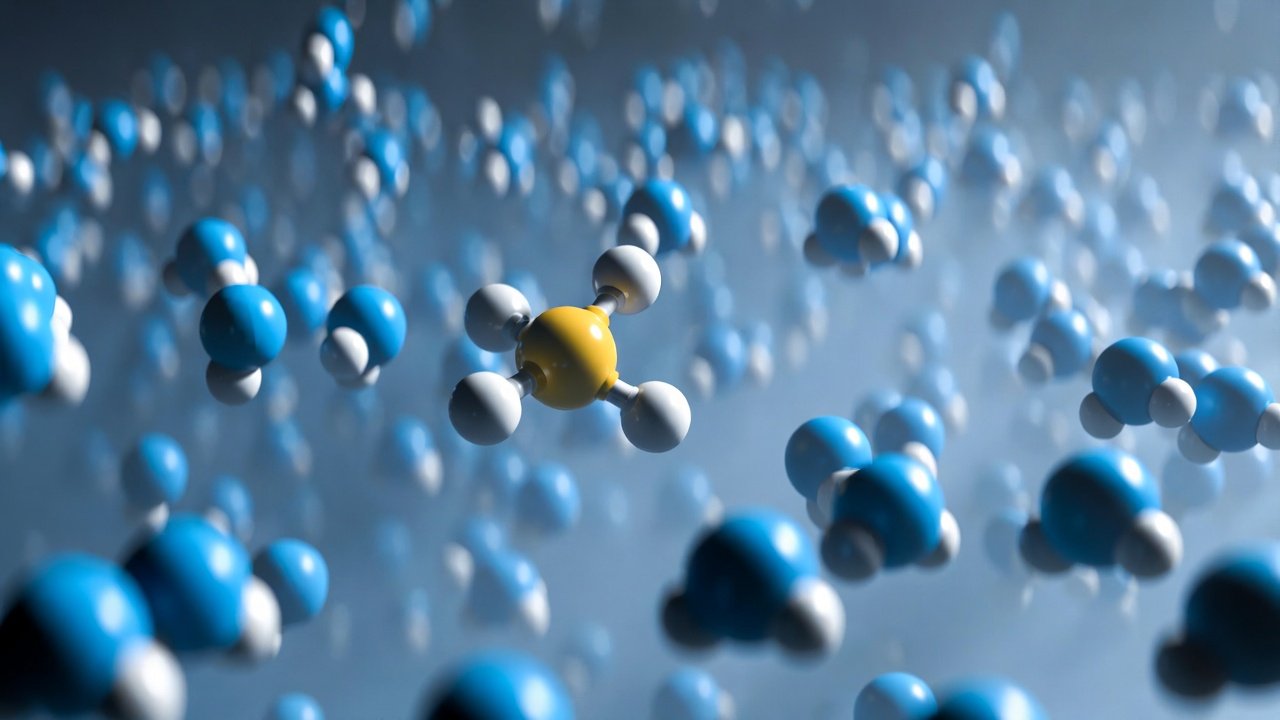
MEA triazine, chemically known as 1,3,5-tris(2-hydroxyethyl)-1,3,5-triazinane or hexahydro-1,3,5-tris(2-hydroxyethyl)-s-triazine, is a cyclic compound formed by the condensation reaction of monoethanolamine (MEA) and formaldehyde. The structure features a six-membered triazine ring with three hydroxyethyl groups attached to the nitrogen atoms. This configuration provides high reactivity toward H₂S while remaining water-soluble and easy to handle as an aqueous solution.
Commercially, MEA triazine is typically supplied as a 30-50% active aqueous solution. It is favored for its cost-effectiveness, rapid reaction kinetics, and versatility in various gas treatment applications compared to alternatives like MMA triazine or non-triazine scavengers.
Synthesis of MEA Triazine
The production involves reacting three moles of MEA with three moles of formaldehyde under controlled conditions to form the triazine ring, releasing water. The reaction is exothermic and requires careful temperature management to avoid side products. The resulting MEA triazine is stable in alkaline conditions but can hydrolyze or decompose under extreme pH or high temperatures, releasing free formaldehyde and MEA.
This synthesis route makes MEA triazine relatively inexpensive and readily available, contributing to its dominance in the H₂S scavenger market.
Reaction Pathways with H₂S
MEA triazine removes H₂S through an irreversible chemical reaction involving nucleophilic attack by sulfide species on the electrophilic carbons of the triazine ring. The process occurs in stages and typically consumes two moles of H₂S per mole of triazine under standard conditions.
The primary pathway is as follows:
- Protonation and Ring Opening: H₂S (or HS⁻ in solution) protonates a nitrogen in the triazine ring, making adjacent carbons more electrophilic. Bisulfide then attacks a carbon via an SN2-like mechanism, opening the ring.
- Formation of Thiadiazine Intermediate: Rearrangement leads to the release of one MEA molecule and formation of a thiadiazine (mono-sulfur substituted) intermediate.
- Second Substitution: A similar sequence replaces a second nitrogen with sulfur, releasing another MEA molecule and yielding 5-(2-hydroxyethyl)-1,3,5-dithiazinane (MEA-dithiazine or DTZ).
While theoretically capable of reacting with three H₂S molecules to form trithiane and three MEA molecules, experimental evidence shows the dominant product is dithiazine after two H₂S additions. The reaction is exothermic and favored in neutral to slightly alkaline conditions.
Key reaction summary:
MEA Triazine + 2 H₂S → MEA-Dithiazine + 2 MEA
Reaction Products and Byproducts
The main product is MEA-dithiazine, a stable sulfur-containing heterocycle. Free MEA is regenerated and can influence solution pH. Under ideal conditions, dithiazine remains soluble in the aqueous phase. However, incomplete reactions or over-spending can produce:
- Thiadiazine intermediates
- Polymeric or oligomeric dithiazine species
- Trithiane (in cases of excess formaldehyde or over-reaction)
- Formaldehyde and other degradation products
Dithiazine can exist as crystalline (cDTZ, lower melting) or amorphous polymeric forms (apDTZ). The amorphous form is particularly problematic as it is insoluble in most solvents and does not melt easily.
Solids Formation: Mechanisms and Contributing Factors
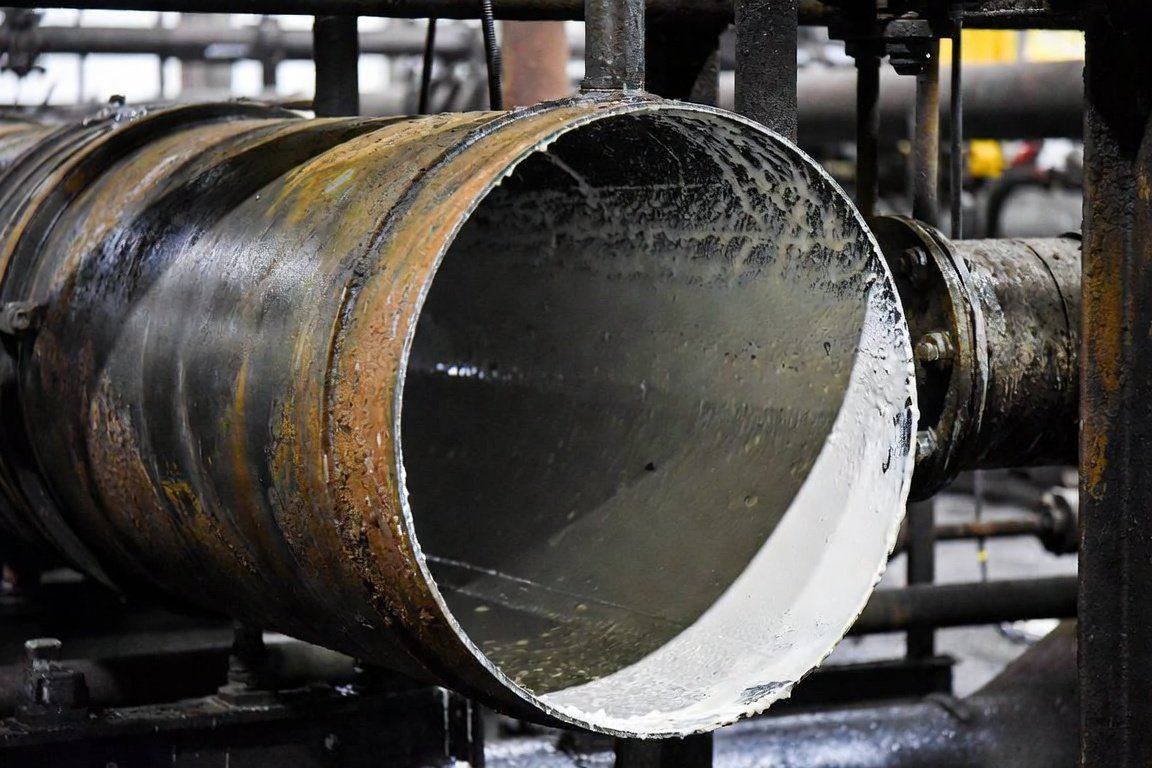
Solids formation is a major drawback of MEA triazine, leading to fouling in scrubbers, pipelines, and equipment. The primary culprit is dithiazine exceeding its solubility limit.
1. Polymerization of Dithiazine
When the scavenger is highly spent, dithiazine undergoes further reactions with bisulfide, leading to ring opening and polymerization into amorphous solids. This is exacerbated by high H₂S loading.
2. Over-Spending of the Scavenger
Exceeding stoichiometric capacity (typically ~2:1 H₂S:triazine) causes ring degradation, formaldehyde release, and insoluble byproduct formation.
3. pH Effects
Reaction lowers pH, reducing dithiazine solubility. Optimal performance occurs at pH 7-9.
4. Temperature and Concentration
Low temperatures decrease solubility; high concentrations lead to supersaturation. Cold climates or rapid cooling promote precipitation.
5. Contaminants and Interactions
CO₂, mercaptans, hydrocarbons, and salts can form emulsions, lower pH, or create additional insoluble complexes.
Solids manifest as cubic crystals, viscous layers, or intractable amorphous deposits, causing plugging and increased maintenance.
Applications of MEA Triazine
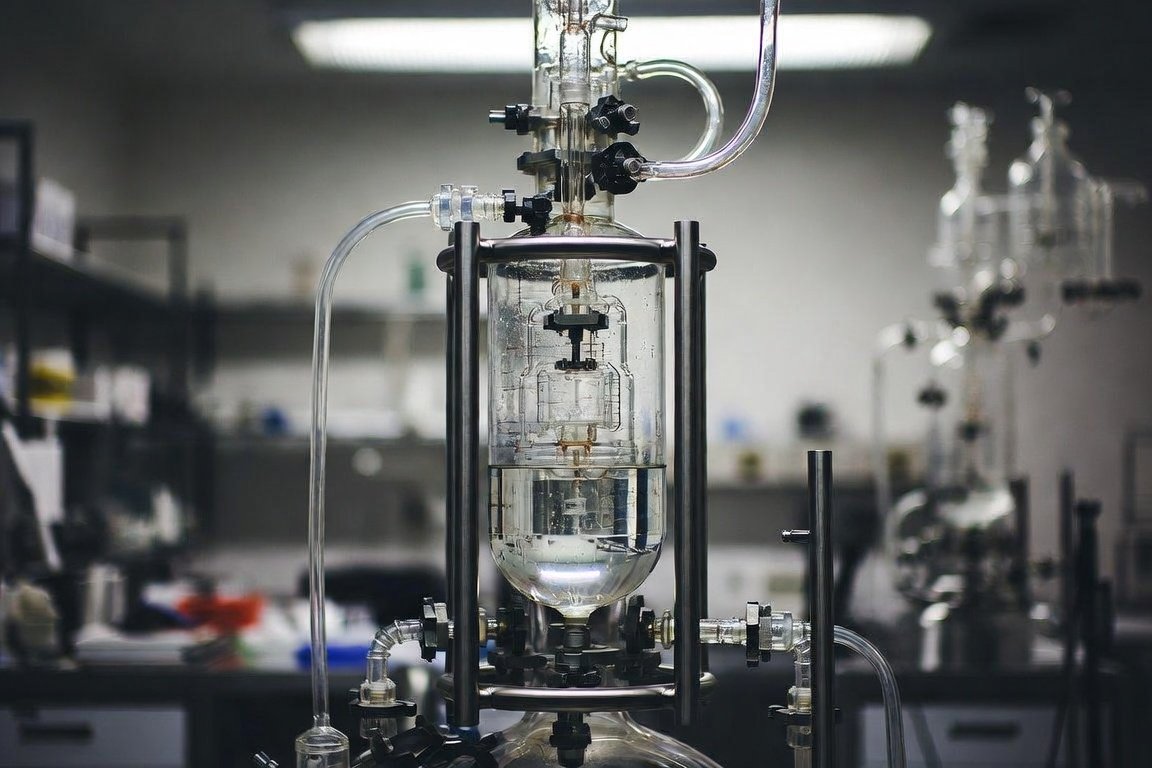
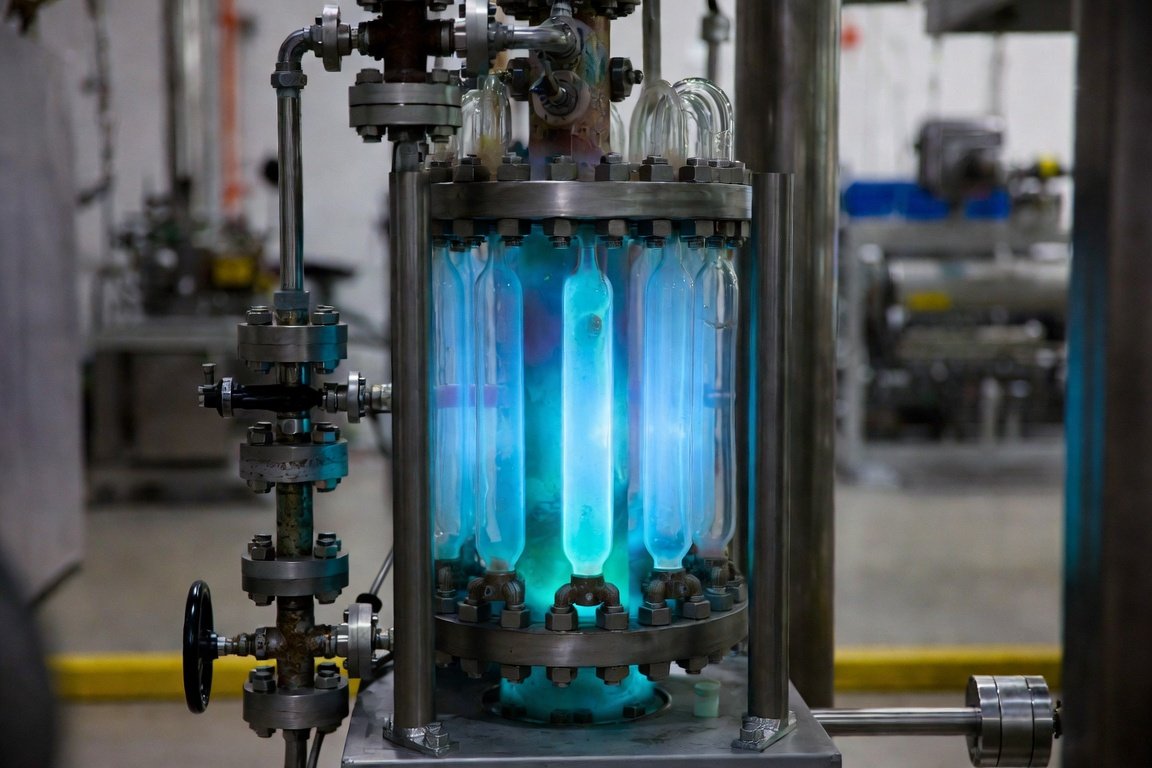
MEA triazine is applied via direct injection into gas streams, bubble towers (contactors/scrubbers), or pipelines. Common uses include:
- Natural gas sweetening at wellheads, gathering systems, and processing plants.
- Produced water and sour water treatment.
- Biogas and landfill gas desulfurization.
- Refinery and midstream operations.
It excels in low-to-moderate H₂S concentrations and small-to-medium volume streams. Injection is typically atomized or via quills for good contact. Performance depends on contact time, temperature, pressure, and gas composition. Dosage is calculated based on H₂S flow rate and scavenger capacity (often 1-2 kg scavenger per kg H₂S removed, varying with efficiency).
Advantages include fast kinetics, no regeneration needed (non-regenerable scavenger), and compatibility with existing infrastructure. Limitations include higher chemical consumption compared to some non-triazine alternatives and the solids issue.
Operational Challenges and Monitoring
Besides solids, challenges include:
- Variable efficiency due to incomplete mixing or short contact time.
- MEA release contributing to potential foaming or corrosion downstream.
- Disposal of spent scavenger (contains dithiazine and amines).
- Regulatory considerations for H₂S emissions and waste.
Monitoring involves inlet/outlet H₂S analyzers, pH, density, and visual inspection for solids. Regular sampling of spent solution helps track loading.
Mitigation Strategies for Solids Formation
Prevention is far preferable to remediation. Key strategies include:
- Optimized Dosage and Control: Use real-time H₂S monitoring and automated injection to avoid over-spending. Maintain 20-50% residual active scavenger.
- pH Buffering: Add buffers to stabilize pH and enhance solubility.
- Temperature Management: Insulate lines, use heaters in cold conditions, or control process temperatures.
- Blending with Co-Scavengers or Additives: Partial replacement with MOPA, DGA, or other amines reduces solids. Amphiphilic additives can promote micelle formation to keep products dispersed.
- Filtration and Separation: Install inline filters, coalescers, or separators to capture solids early.
- Regular Maintenance Protocols: Schedule flushing, solvent cleaning (e.g., with MEA for certain deposits), or mechanical removal.
- Process Design Improvements: Ensure adequate contactor design, residence time, and mixing. Consider hybrid systems with non-triazine scavengers for high-risk applications.
- Alternative Formulations: Explore MMA triazine (more reactive but crystalline solids) or non-triazine options like metal carboxylates or aldehydes for specific cases.
For existing deposits, hydrogen peroxide or specialized solvents may help dissolve crystalline forms, though amorphous solids are harder to remove.
Comparison with Other Scavengers
MEA triazine offers a good balance of cost and performance but faces competition from MMA triazine (faster but costlier and crystalline), MOPA triazine (better solubility), and non-triazine products (lower consumption, fewer solids). Selection depends on site-specific factors like H₂S concentration, temperature, budget, and disposal constraints.
Environmental and Safety Considerations
While effective, MEA triazine and its spent products require proper handling. H₂S is highly toxic, and scavengers can release formaldehyde or amines. Spent material may be hazardous waste. Operators should follow local regulations, such as Alberta Energy Regulator guidelines, for storage, transport, and disposal. Biodegradability of dithiazine is limited, emphasizing the need for minimized usage and solids control.
Future Outlook and Innovations
Research continues into modified triazines, hybrid formulations, and advanced monitoring to reduce solids and improve efficiency. As the industry moves toward lower emissions and cost optimization, MEA triazine will remain relevant with proper engineering controls. Emerging alternatives and better process integration promise further improvements in H₂S management for sour gas operations.
Conclusion
MEA triazine is a proven, versatile H₂S scavenger whose chemistry revolves around efficient conversion of toxic H₂S into dithiazine products. Its reaction pathways, while effective, introduce challenges like solids formation from dithiazine polymerization and over-spending. Through detailed understanding of mechanisms, careful application in contactors and injection systems, and proactive mitigation via dosage control, pH management, blending, and maintenance, operators can maximize benefits while minimizing operational risks. For companies like FirstKlaz Technologies developing custom scrubber systems in Alberta, mastering MEA triazine handling is key to reliable, cost-effective sour gas treatment. Proper implementation ensures safety, compliance, and efficiency in the demanding oil and gas environment.