
Article Content
This article provides an in-depth, unbiased examination of iron-based adsorbents, focusing on their chemical mechanisms, practical applications, design considerations, advantages, limitations, and optimization strategies based on established engineering principles and industry practices.
Introduction to H2S and the Need for Effective Removal
Hydrogen sulfide is a toxic, corrosive gas with a characteristic rotten-egg odor at low concentrations. In oil and gas operations, it originates from geological sources in reservoirs, sulfate-reducing bacteria (SRB), or thermal decomposition of sulfur compounds during production. Concentrations in sour gas can range from trace levels to several percent by volume, posing significant risks including pipeline corrosion (sulfide stress cracking and hydrogen embrittlement), equipment degradation, safety hazards for workers, and environmental compliance issues.
Regulatory bodies such as those in Alberta, Texas, and other producing regions enforce strict limits on H₂S in sales gas (often below 4-10 ppm) and emissions. In biogas applications, uncontrolled H₂S can damage engines, turbines, and upgrading membranes, reducing the viability of renewable natural gas (RNG) projects. Effective removal technologies are thus essential for operational safety, asset longevity, and sustainability.
Chemistry and Mechanisms of Iron-Based H₂S Adsorbents
Iron-based adsorbents primarily utilize hydrated iron oxides (such as Fe₂O₃·H₂O or Fe(OH)₃) or iron hydroxides supported on materials like wood chips, pellets, or other inert carriers. The removal process is a combination of chemisorption and chemical reaction, often simplified as:
2Fe₂O₃ + 6H₂S → 2Fe₂S₃ + 6H₂O (or similar reactions involving FeO or mixed oxides).
This reaction converts H₂S into iron sulfides, effectively binding the sulfur. The process is highly selective for H₂S over other components in many cases and operates effectively at ambient to moderate temperatures and pressures. Variants include ferric oxide (Fe₂O₃), ferrous oxide (FeO), and mixed metal oxides incorporating elements like zinc, copper, or manganese for enhanced performance or specific applications.
Key advantages of the chemistry include the formation of stable byproducts and the potential for partial regeneration in some formulations (though many are non-regenerable in practice). Capacity typically ranges from 200-700 grams of H₂S per kilogram of media, depending on formulation, moisture content, temperature, and gas composition. Caustic-impregnated versions or pelletized forms can improve reaction rates and reduce pressure drop.
Types of Iron-Based Adsorbents and Formulations
Several categories exist:
- Traditional Iron Sponge: Wood chips or similar support impregnated with hydrated iron oxide. Proven, low-cost option for low-to-moderate H₂S loads, especially in biogas and small-scale natural gas treating.
- Engineered Pellets and Granules: Synthetic or mixed metal oxides (e.g., FeO, FeOH, or Cu/Zn/Mn blends) designed for lower pressure drop, higher capacity, and better mechanical strength in high-flow applications.
- Regenerable or Semi-Regenerable Variants: Some iron-based media can be partially restored by air oxidation, converting iron sulfide back to oxide, though efficiency declines over cycles due to sulfur buildup and surface passivation.
- Specialized Blends: Formulations targeting mercaptans alongside H₂S or optimized for high-CO₂ streams common in biogas.
Selection depends on factors like H₂S concentration, gas flow rate, presence of contaminants (e.g., hydrocarbons, CO₂, moisture), and disposal requirements. Pelletized options often excel in fixed-bed vessels where uniform flow and minimal channeling are critical.
Design and Sizing of Adsorbent Vessels
Proper vessel design is crucial for performance. Key parameters include:
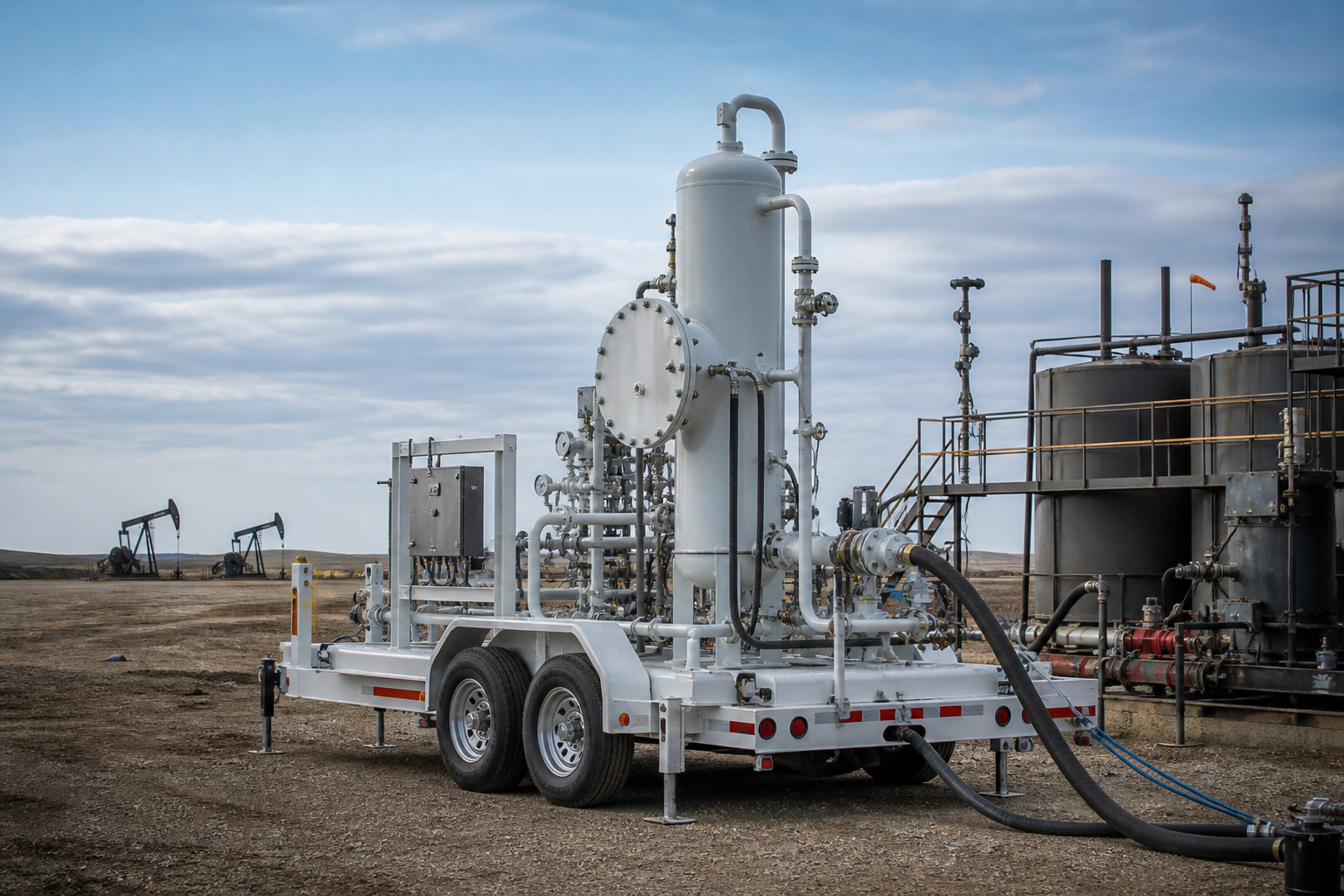
- Superficial Velocity: Typically 0.1-0.5 m/s to ensure adequate contact time without excessive pressure drop or fluidization.
- Bed Depth and Residence Time: Sufficient depth (often 1-3 meters or more) for breakthrough curves to allow near-complete removal before saturation.
- Pressure Drop Management: Pelletized media reduce ΔP compared to loose chips, important for high-pressure gas streams.
- Moisture Control: Optimal humidity (around 20-50% depending on media) enhances reaction kinetics; too dry reduces activity, too wet can cause channeling or plugging.
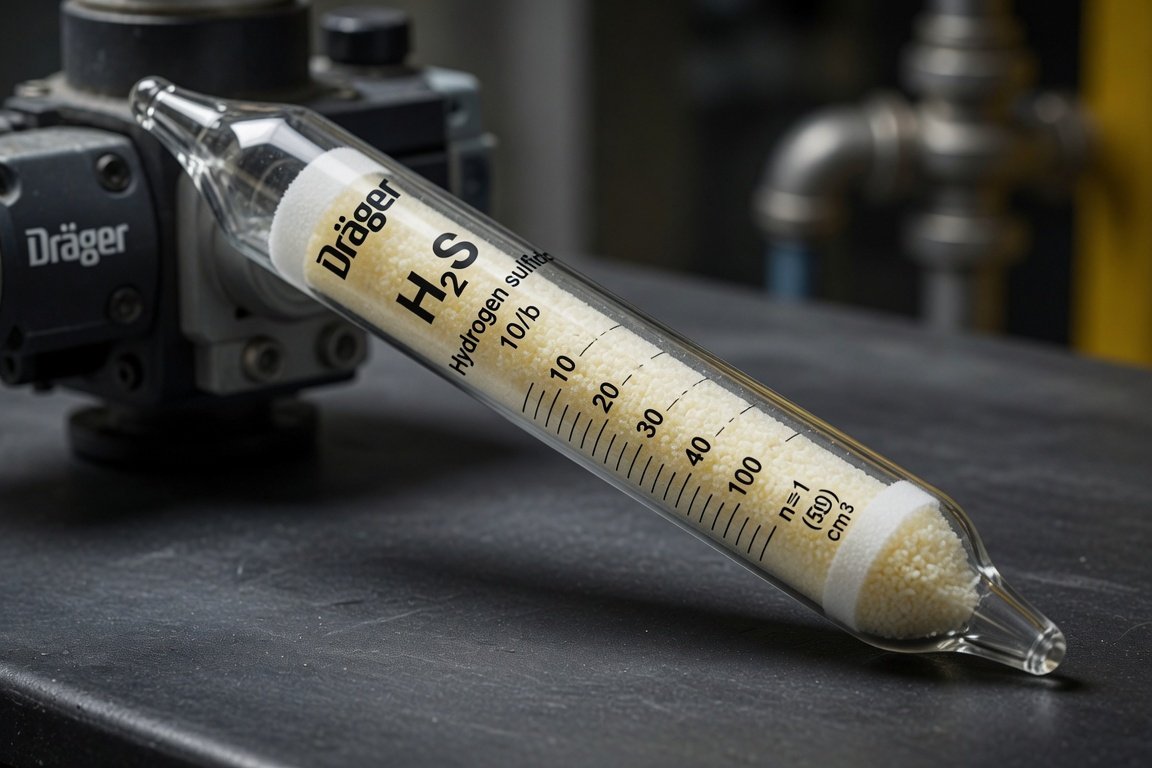
Breakthrough monitoring with inlet/outlet H₂S analyzers allows predictive replacement. Oversizing provides a safety margin for variable loads. Hybrid setups—using iron media for bulk removal followed by polishing with activated carbon or liquid scavengers—can optimize overall economics and achieve ultra-low outlet concentrations.
Applications Across Industries
Iron-based adsorbents are versatile:
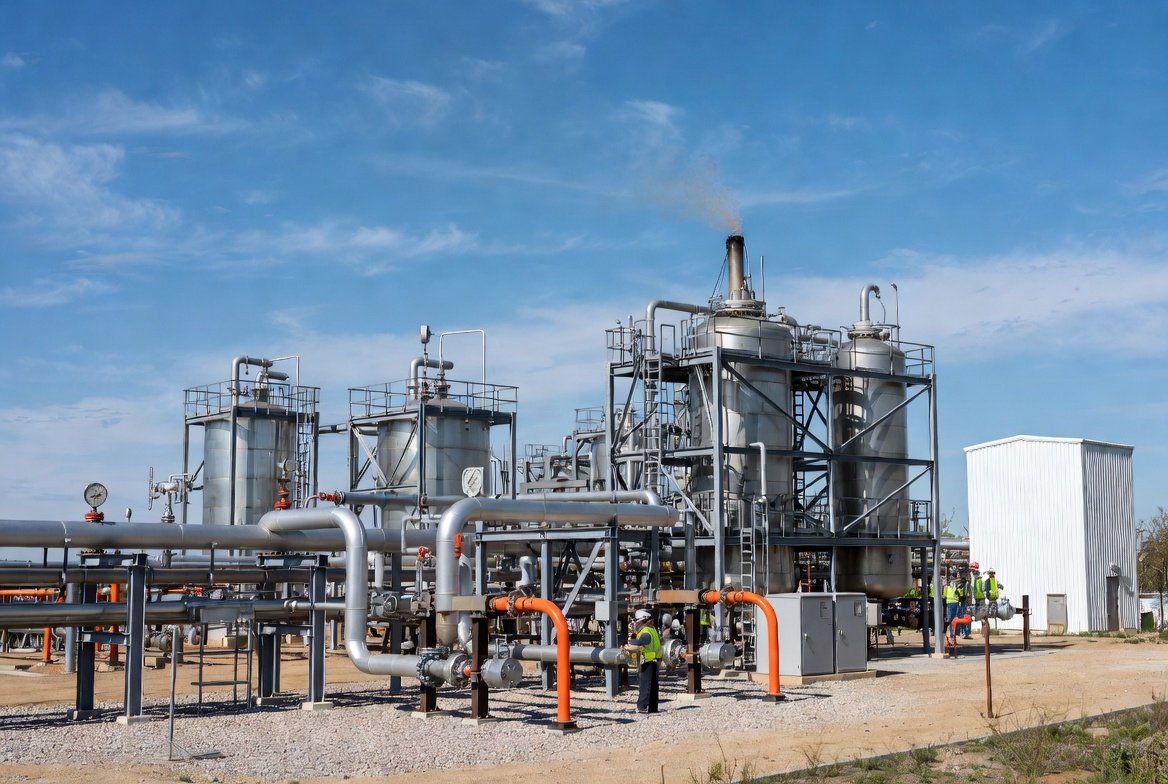
- Oil and Gas: Midstream gas treating, wellhead sour gas, and produced water vapor control. Effective for moderate H₂S levels (up to several thousand ppm) where capital-intensive amine plants are overkill.
- Biogas and RNG: Anaerobic digester gas from landfills, agriculture, and wastewater treatment. Helps meet pipeline specs for RNG injection by reducing H₂S to <4 ppm while preserving methane content.
- Pulp and Paper, Wastewater: Odor control and corrosion prevention in process vents and sewer systems.
- Other: Landfill gas, mining, and specialty chemical streams.
In biogas, iron media are often favored for their simplicity and ability to handle fluctuating production rates common in renewable projects. Case studies demonstrate reliable performance in reducing engine-damaging H₂S while generating manageable spent media.
Performance Factors and Optimization Strategies
Several variables influence efficacy:
- Temperature: Reactions are exothermic; optimal ranges are typically 20-50°C. Excessive heat can reduce capacity or cause media degradation.
- pH and Alkalinity: Pre-impregnation or co-dosing can enhance performance.
- Gas Composition: High CO₂ or oxygen can affect selectivity and byproduct formation. Pre-treatment for heavy hydrocarbons may be needed.
- Regeneration Practices: Air regeneration can extend media life but risks pyrophoric reactions if not managed (spent media should be kept moist during handling).
- Monitoring and Maintenance: Regular bed sampling, pressure drop tracking, and H₂S breakthrough analysis enable proactive replacement, minimizing downtime.
Optimization often involves pilot testing, computational modeling of mass transfer, and data-driven adjustments. Digital tools for real-time monitoring and predictive analytics are increasingly integrated to maximize utilization and reduce OPEX. Hybrid approaches with biological or liquid systems can further enhance flexibility for variable or high-load scenarios.
Advantages and Limitations
Advantages:
- Proven technology with decades of field data.
- Low capital cost relative to regenerative systems like amine units or Claus plants.
- Simple operation and minimal operator intervention for suitable applications.
- Effective across a wide range of flow rates and concentrations.
- Potential for sulfur recovery or safe disposal in many jurisdictions.
Limitations:
- Non-regenerable nature leads to ongoing media replacement and disposal costs (spent material may be classified as hazardous or pyrophoric).
- Lower efficiency at very high H₂S concentrations or extremely large gas volumes compared to liquid redox or amine systems.
- Pressure drop and bed channeling risks if not properly designed.
- Sensitivity to operating conditions; performance can degrade with contaminants or improper moisture levels.
- Logistics of media handling and replacement in remote locations.
These limitations drive the use of iron adsorbents in targeted niches rather than as a universal solution. Lifecycle cost analysis (LCCA) is recommended, factoring in media consumption, disposal fees, downtime, and energy use.
Environmental and Safety Considerations
Proper management of spent iron sulfide media is critical to prevent spontaneous combustion upon drying (pyrophoric behavior). Disposal often involves landfilling under regulated conditions or specialized recycling where sulfur can be recovered. Environmentally, iron-based systems produce minimal secondary emissions compared to some oxidative processes, aligning well with sustainability goals in biogas upgrading.
Safety protocols include H₂S monitoring, confined space procedures during bed changes, and PPE. Training on hazard recognition remains essential given H₂S’s acute toxicity.
Future Trends and Innovations
As of 2026, developments include advanced pellet formulations with higher capacity and lower pressure drop, bio-based supports for greener media, and integration with sensors/IoT for automated performance tracking. Hybrid systems combining iron adsorbents with biological desulfurization or advanced scavengers are gaining traction for cost-effective, deep removal. With growing RNG markets and tightening regulations on methane and sulfur emissions, iron-based technologies are evolving to support the energy transition while maintaining economic viability.
Best Practices for Implementation
- Perform detailed gas characterization including H₂S, CO₂, hydrocarbons, and moisture profiles.
- Conduct techno-economic modeling comparing iron adsorbents to alternatives like liquid scavengers, activated carbon, or biological systems.
- Design vessels with conservative sizing, proper distribution, and easy access for media replacement.
- Implement continuous monitoring and establish breakthrough criteria for changeouts.
- Manage media logistics, including moisture maintenance and safe disposal protocols.
- Consider pilot or bench-scale testing for site-specific optimization.
- Stay informed on local regulations and emerging standards for H₂S management.
These practices help maximize removal efficiency, minimize costs, and ensure compliance.
Conclusion
Iron-based adsorbents offer a robust, field-proven method for H₂S removal across diverse applications in the oil and gas, biogas, and industrial sectors. Their chemical simplicity, cost-effectiveness for many scenarios, and adaptability make them a valuable tool in the H₂S management toolkit. However, success depends on thoughtful system design, ongoing optimization, and integration with complementary technologies where needed. As the industry faces evolving regulatory pressures and sustainability demands, continued innovation in media formulations and hybrid configurations will enhance their role in safe, efficient, and environmentally responsible operations.
Operators should evaluate site-specific conditions and consult technical experts to determine the most suitable approach, recognizing that no single technology fits all situations. Through informed selection and best practices, iron-based H₂S removal contributes significantly to safer energy production and cleaner industrial processes.