Article Content
This article provides an in-depth, informative overview of H₂S removal technologies used in biogas applications, the operational and technical challenges involved, and proven strategies for optimization. Drawing from established engineering principles and industry practices, it aims to equip operators, engineers, and decision-makers with balanced knowledge for informed technology selection and system management.
Understanding H₂S in Biogas Production
Biogas is primarily composed of methane (CH₄, 50-70%) and carbon dioxide (CO₂, 30-50%), with trace amounts of water vapor, nitrogen, oxygen, siloxanes, volatile organic compounds (VOCs), and hydrogen sulfide. H₂S originates from the microbial reduction of sulfate-containing compounds during anaerobic digestion, particularly in feedstocks rich in proteins, sulfates, or certain industrial wastes such as those from food processing, agriculture, or wastewater treatment.
Typical H₂S levels in raw biogas vary widely depending on the substrate:
- Agricultural manure and crop residues: 100-1,000 ppm
- Municipal wastewater sludge: 500-2,000 ppm
- Industrial or food waste: up to 5,000 ppm or higher
Even low levels of H₂S can cause severe issues. It is highly toxic, corrosive to engines, turbines, boilers, and pipelines, and contributes to sulfur dioxide (SO₂) emissions upon combustion, which can violate environmental regulations. Effective removal is essential for protecting equipment, ensuring worker safety, meeting grid injection or vehicle fuel specifications, and maximizing the economic value of biogas projects.
Why H₂S Removal Matters: Impacts and Regulatory Context
H₂S is not only a safety hazard—exposure above 100 ppm can cause respiratory irritation, while levels over 500-1,000 ppm are immediately dangerous—but it also accelerates corrosion in combined heat and power (CHP) units, reducing lifespan and increasing maintenance costs. In biogas upgrading for biomethane, H₂S must often be reduced to below 5-20 ppm depending on the end-use (e.g., natural gas pipeline standards or compressed natural gas for vehicles).
Regulations vary by jurisdiction but are increasingly stringent. In regions like Alberta, Canada, or the European Union, limits on H₂S in emissions and biogas utilization drive the need for robust treatment. Non-compliance can result in fines, operational shutdowns, or lost incentives for renewable energy production. Moreover, as the biogas sector grows toward net-zero contributions, reliable H₂S management supports broader sustainability goals by enabling cleaner energy output and minimizing environmental footprints.
Overview of H₂S Removal Technologies for Biogas
A wide array of physical, chemical, biological, and hybrid technologies exist for H₂S removal. Selection depends on factors such as inlet H₂S concentration, gas flow rate, desired outlet purity, capital expenditure (CAPEX), operational expenditure (OPEX), byproduct management, and site-specific constraints like available space and climate.
1. Biological Desulfurization Methods
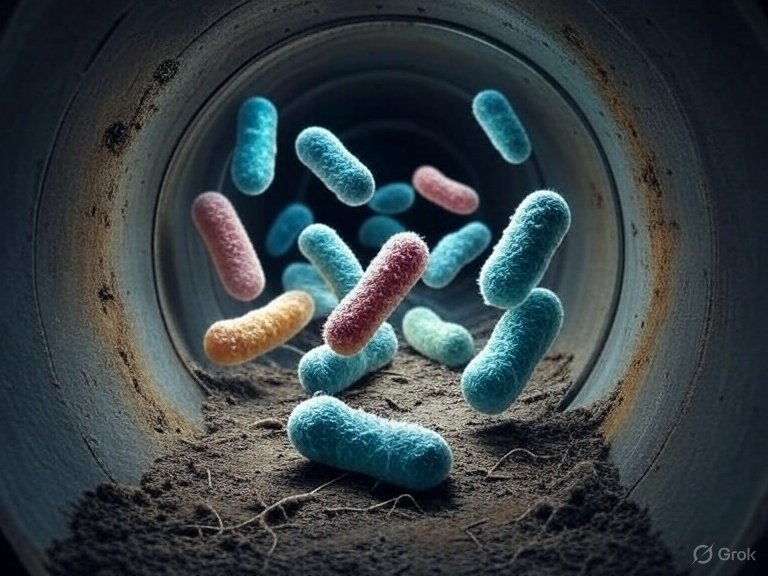
Biological processes leverage sulfur-oxidizing bacteria (e.g., Thiobacillus species) to convert H₂S into elemental sulfur or sulfate. These methods are popular for their low chemical consumption and environmental benefits.
- Microaeration (In-situ desulfurization): Small amounts of air or oxygen (typically 2-6% of biogas volume) are injected directly into the digester headspace or recirculation loop. This promotes partial oxidation of H₂S to sulfur. It is cost-effective for moderate H₂S levels but requires careful control to avoid methane oxidation or explosion risks.
- Biotrickling Filters (BTF) and Biofilters: Gas passes through a packed bed with immobilized microorganisms and a nutrient liquid trickling down. Anoxic or aerobic variants exist. BTFs can achieve high removal efficiencies (>99%) and handle variable loads well. Challenges include clogging from sulfur accumulation and the need for pH and nutrient control.
- THIOPAQ and Similar Liquid Redox Systems: These combine biological and chemical steps, often producing marketable elemental sulfur as a byproduct.
Biological methods generally offer lower OPEX for medium-to-large plants but may require larger footprints and longer startup times.
2. Chemical Scrubbing and Absorption
Chemical methods use liquid absorbents to react with or dissolve H₂S.
- Caustic Scrubbing (NaOH or KOH): Effective for high H₂S loads; produces sodium or potassium sulfide/sulfate. Regenerable or once-through options exist, but chemical costs and wastewater handling are considerations.
- Iron-Based Liquid Scavengers or Redox Processes (e.g., chelated iron): H₂S reacts to form elemental sulfur, which can be separated. These are regenerable and suitable for continuous operation.
- Amine or Other Specialized Solvents: Less common in biogas due to CO₂ co-absorption but used in hybrid upgrading systems.
Chemical scrubbing provides rapid, reliable removal but incurs ongoing reagent costs and requires management of spent solutions.
3. Adsorption Using Solid Media
Adsorbents capture H₂S on solid surfaces, ideal for polishing or lower concentration streams.
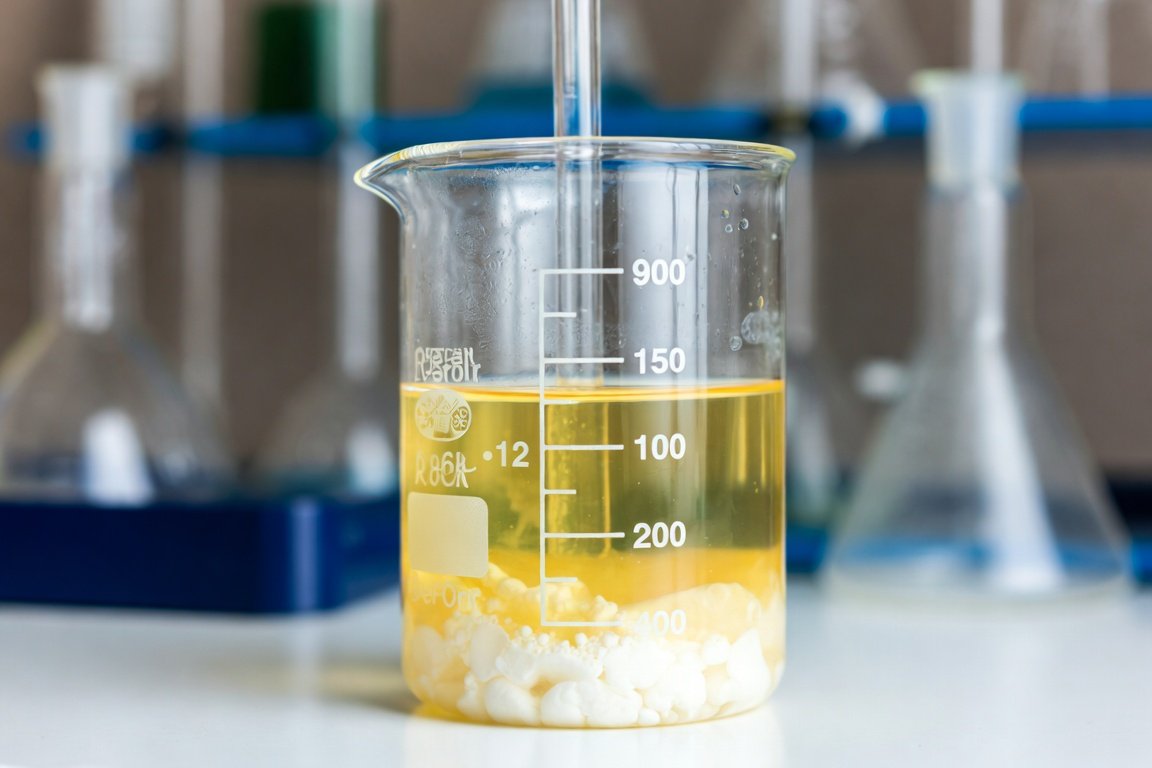
- Iron Oxide/Hydroxide Media: Widely used granular materials that react with H₂S to form iron sulfides. Cost-effective, disposable or regenerable in some cases. Performance depends on moisture content, temperature, and media quality.
- Activated Carbon (Impregnated or Virgin): Excellent for low H₂S levels and simultaneous removal of other impurities like siloxanes and VOCs. Caustic-impregnated variants enhance capacity but may generate heat or require careful disposal.
- Other Adsorbents: Mixed metal oxides or specialized pellets offering better pressure drop characteristics.
Adsorption systems are simple to operate with low maintenance but require periodic media replacement and disposal planning.
4. Other and Hybrid Approaches
Membrane separation, cryogenic methods, or combinations (e.g., biological pre-treatment followed by adsorption polishing) are used for stringent purity requirements. Hybrid systems often provide the best balance of efficiency, cost, and reliability for large-scale or variable operations.
Key Challenges in Biogas H₂S Removal
Implementing effective H₂S removal is rarely straightforward due to several interconnected challenges:
- Variable Gas Composition and Flow: Biogas production fluctuates with feedstock changes, temperature, and digester health, affecting H₂S levels and treatment performance.
- Co-contaminants: Moisture, CO₂, ammonia, and siloxanes can foul media, reduce efficiency, or cause secondary issues in downstream equipment.
- Economics and Scalability: High CAPEX for advanced systems versus ongoing OPEX for consumables. Small farm-based plants often favor low-cost options, while industrial facilities justify more sophisticated setups.
- Byproduct Management: Spent media, sulfur sludge, or wastewater must be handled compliantly, adding logistical and disposal costs. Some byproducts, like elemental sulfur, can be valorized.
- Operational Reliability and Safety: Systems must minimize downtime, handle startups/shutdowns, and incorporate monitoring to prevent breakthroughs or safety incidents.
- Environmental and Regulatory Pressures: Minimizing chemical use, waste generation, and secondary emissions aligns with sustainability targets but increases design complexity.
Climate also plays a role; cold temperatures in regions like Canada can affect reaction kinetics and media performance, necessitating insulated or heated systems.
Optimization Strategies and Best Practices
Successful H₂S management goes beyond technology selection. The following strategies help maximize performance and minimize costs:
Gas Characterization and System Design
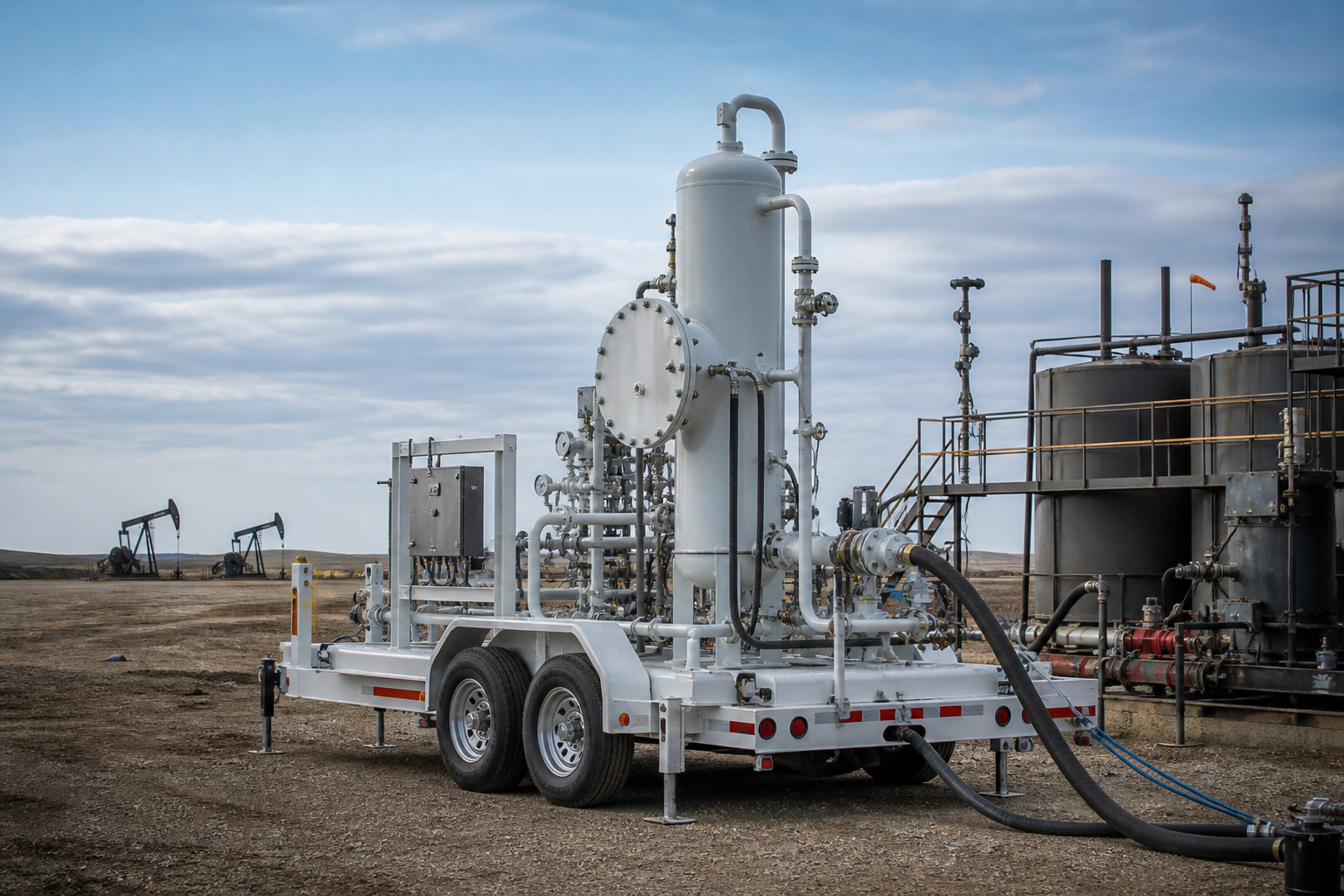
Begin with detailed analysis of biogas composition, flow rates, pressure, temperature, and contaminants over time. Use this data for techno-economic modeling to compare options (e.g., iron oxide vs. biological vs. liquid scavengers). Design vessels or reactors with proper sizing, gas distribution, and redundancy (lead-lag configurations). Consider modular or mobile systems for flexibility.
Monitoring and Control
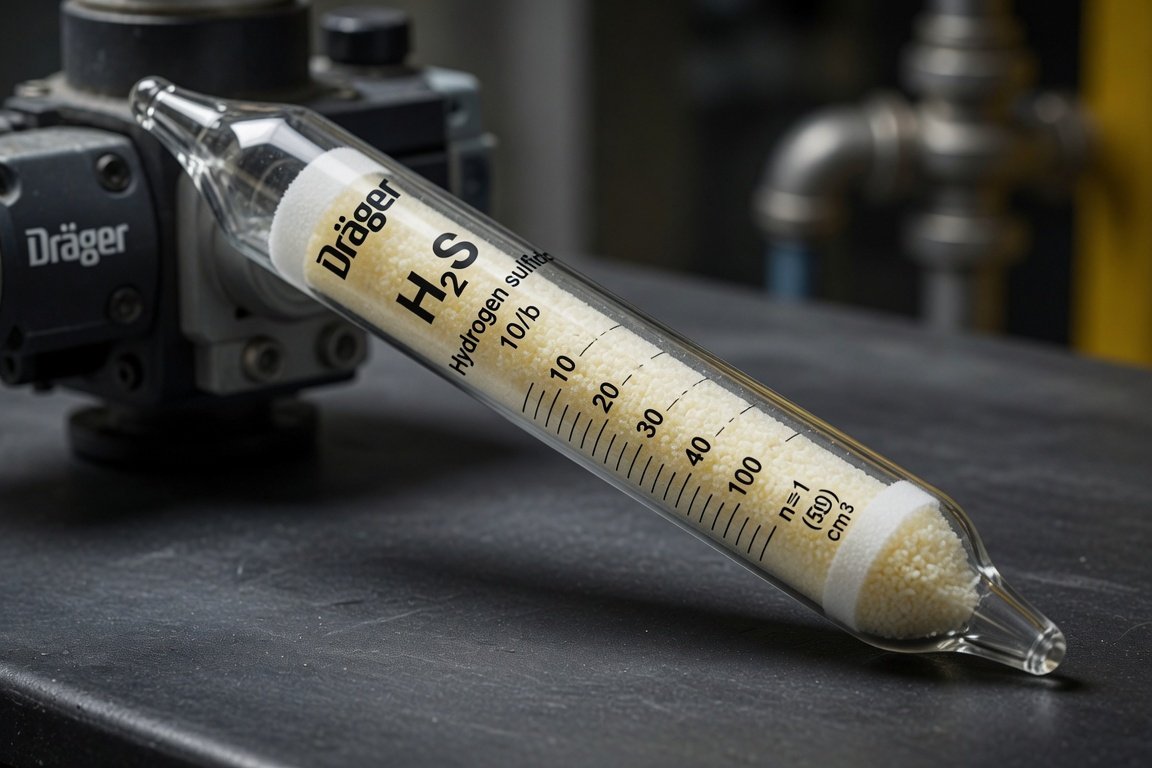
Implement continuous H₂S analyzers at inlet and outlet points, integrated with SCADA or PLC systems for real-time adjustments. pH, temperature, oxygen levels (in biological systems), and pressure drop across beds are critical parameters. Predictive maintenance using data analytics can prevent unexpected failures.
Hybrid and Staged Treatment
For optimal results, combine technologies: e.g., microaeration or iron media for bulk removal, followed by activated carbon for polishing to ultra-low levels. This approach reduces overall costs and extends media life.
Maintenance and Media Management
Follow manufacturer guidelines for media conditioning (moisture control for iron-based), regular bed inspections, and timely changeouts based on breakthrough curves rather than fixed schedules. Proper storage and disposal of spent materials are essential for compliance and cost control.
Economic and Sustainability Considerations
Evaluate total cost of ownership, including energy use, chemical consumption, labor, and byproduct revenue. Prioritize technologies that align with circular economy principles, such as those producing reusable sulfur. Explore incentives for low-emission or renewable projects to offset investments.
Case Studies and Emerging Trends
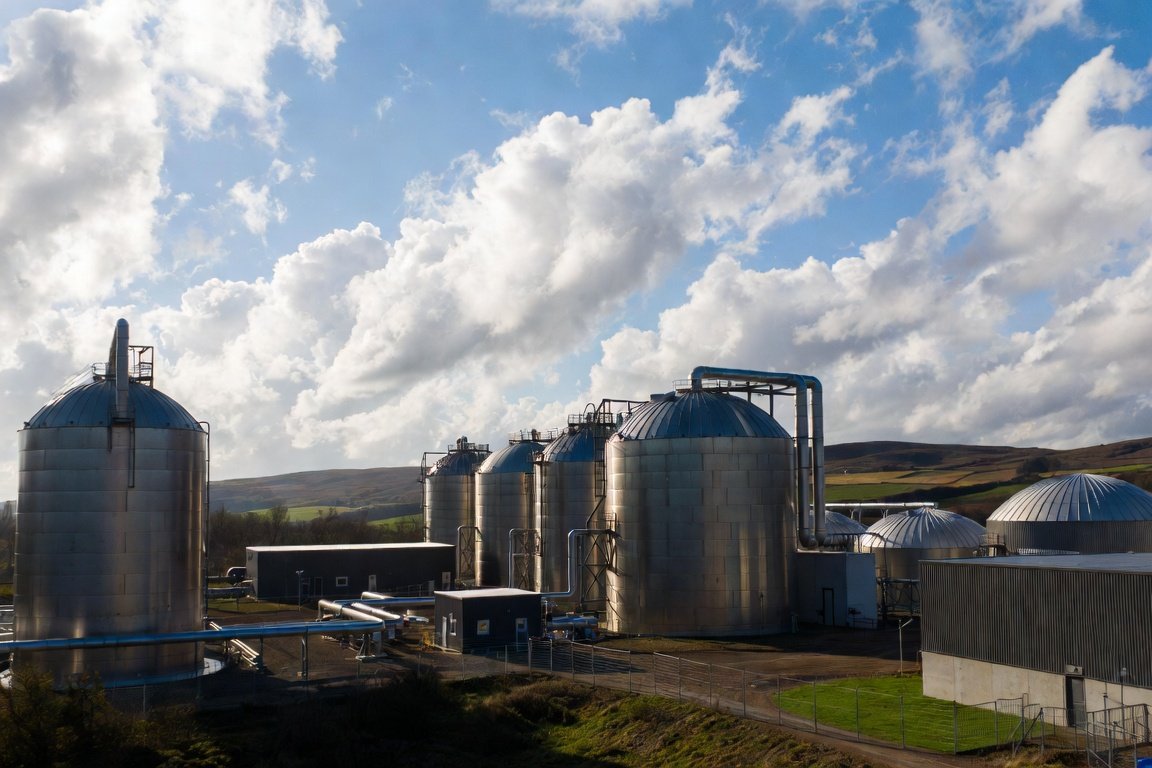
Many successful biogas plants integrate biological systems with adsorption polishing, achieving >99% H₂S removal while maintaining low OPEX. Emerging innovations include advanced sensor technologies, AI-optimized dosing, novel low-cost adsorbents, and improved microaeration controls to minimize oxygen slip and methane losses. Research into microbial consortia and genetically enhanced bacteria promises higher efficiencies in the coming years.
Conclusion: Towards Reliable and Sustainable Biogas Operations
H₂S removal remains a cornerstone of viable biogas production and utilization. By understanding the underlying chemistry, matching technologies to specific site needs, and adopting holistic optimization practices, operators can overcome challenges and unlock the full potential of this renewable resource. As the industry matures, continued innovation in materials, processes, and digital integration will further enhance efficiency, reduce costs, and support global decarbonization efforts. Informed, data-driven decisions in H₂S management not only protect assets and ensure compliance but also contribute to a cleaner energy future.