
Article Content
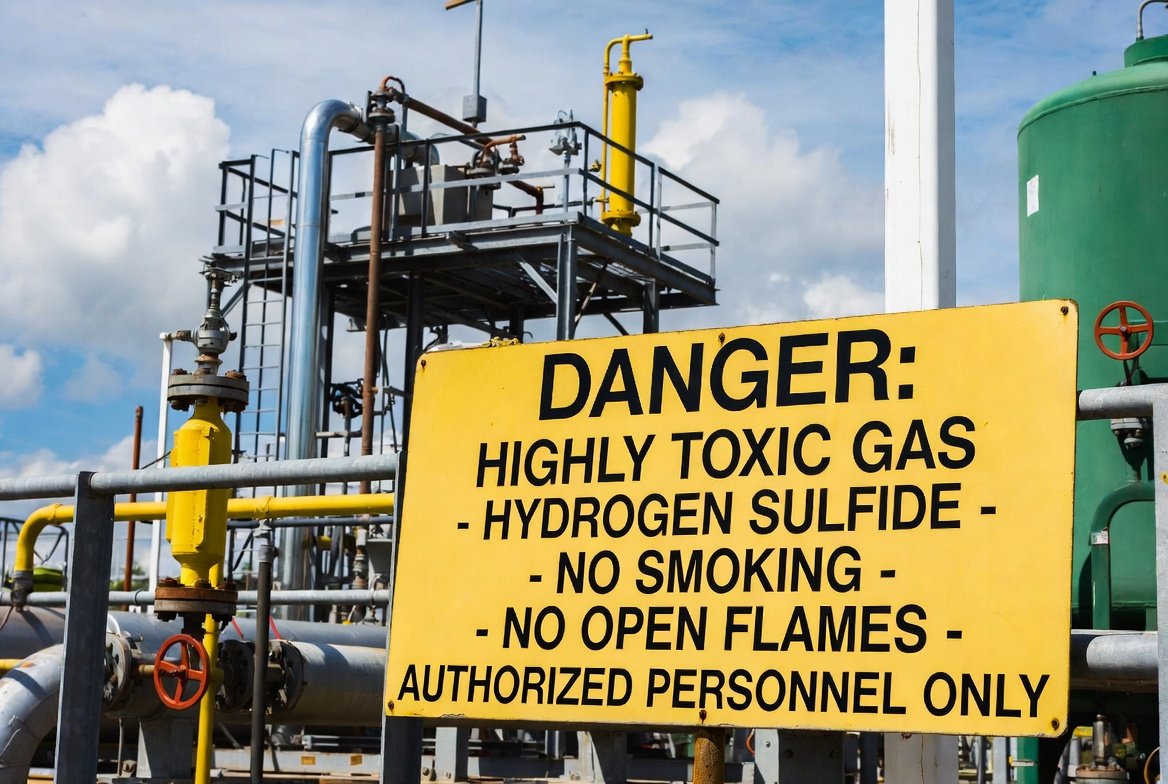
Yet one contaminant stands between raw biogas and bankable RNG more often than any other: hydrogen sulfide (H2S). Present in nearly every anaerobic digestion and landfill gas stream, H2S is corrosive, toxic, and highly damaging to upgrading equipment and end-use infrastructure. Effective H2S removal is not merely a technical step—it is the critical gatekeeper that determines whether a biogas project succeeds technically, economically, and regulatorily. For project developers and operators in Alberta, understanding the specific challenges of H2S in biogas and the proven technologies available can mean the difference between a profitable RNG venture and one plagued by downtime, equipment failures, and missed revenue.
The Growing Opportunity for RNG in Alberta
Canada’s RNG sector has expanded steadily, supported by federal and provincial climate policies aimed at reducing methane emissions from waste and agriculture. RNG is chemically identical to conventional natural gas and can be injected directly into existing pipelines, used as transportation fuel, or burned for heat and power with dramatically lower lifecycle greenhouse gas emissions. In Alberta, agricultural and food-waste digesters are particularly promising feedstocks, often producing biogas with methane content between 50-70% alongside CO2, moisture, and contaminants including H2S.
Typical raw biogas from manure or food waste digesters can contain H2S concentrations ranging from a few hundred ppm to several thousand ppm, depending on feedstock, temperature, retention time, and sulfate levels in the waste. Without proper treatment, this H2S creates immediate problems downstream. It corrodes compressors, engines, and piping; poisons catalysts and adsorbents used in CO2 removal systems (pressure swing adsorption, membranes, or amine processes); triggers nuisance odors; and poses serious health and safety risks to personnel. Pipeline specifications for RNG injection are strict—often requiring H2S below 4 ppm or even lower—making reliable removal non-negotiable.
Why H2S Removal Must Be Addressed Early in Biogas Upgrading
Unlike traditional natural gas sweetening, biogas upgrading operates at lower pressures, lower flows in many agricultural projects, and with higher moisture and variable composition. These conditions change the performance of treatment technologies. Placing H2S removal too late in the process train allows the contaminant to damage expensive CO2 separation equipment or cause corrosion in compression stages. Most successful RNG projects treat H2S as one of the first major purification steps, often right after gas collection and basic moisture removal.
Beyond equipment protection, early H2S removal improves overall system efficiency and economics. It prevents the formation of sulfuric acid in condensate, reduces maintenance frequency on engines or turbines when biogas is used on-site for power, and ensures the final RNG meets stringent pipeline and offtaker quality standards without costly rework or rejection.
Proven H2S Removal Technologies for Biogas Applications
Several technologies are used successfully in biogas and landfill gas projects across Canada. The choice depends on H2S concentration and variability, gas flow rate, available capital and operating budgets, desired outlet specification, and site-specific factors such as space, climate, and operator expertise.
Iron-Based Solid Adsorbents: The Workhorse for Most Biogas Projects
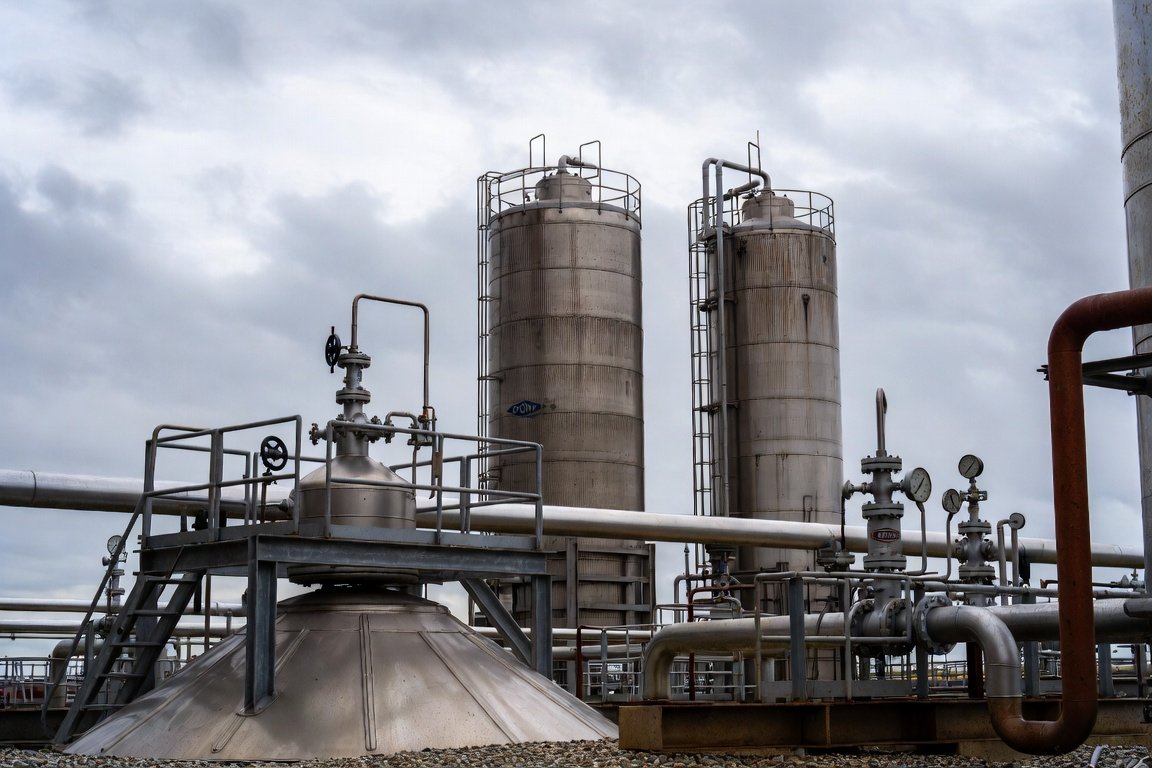
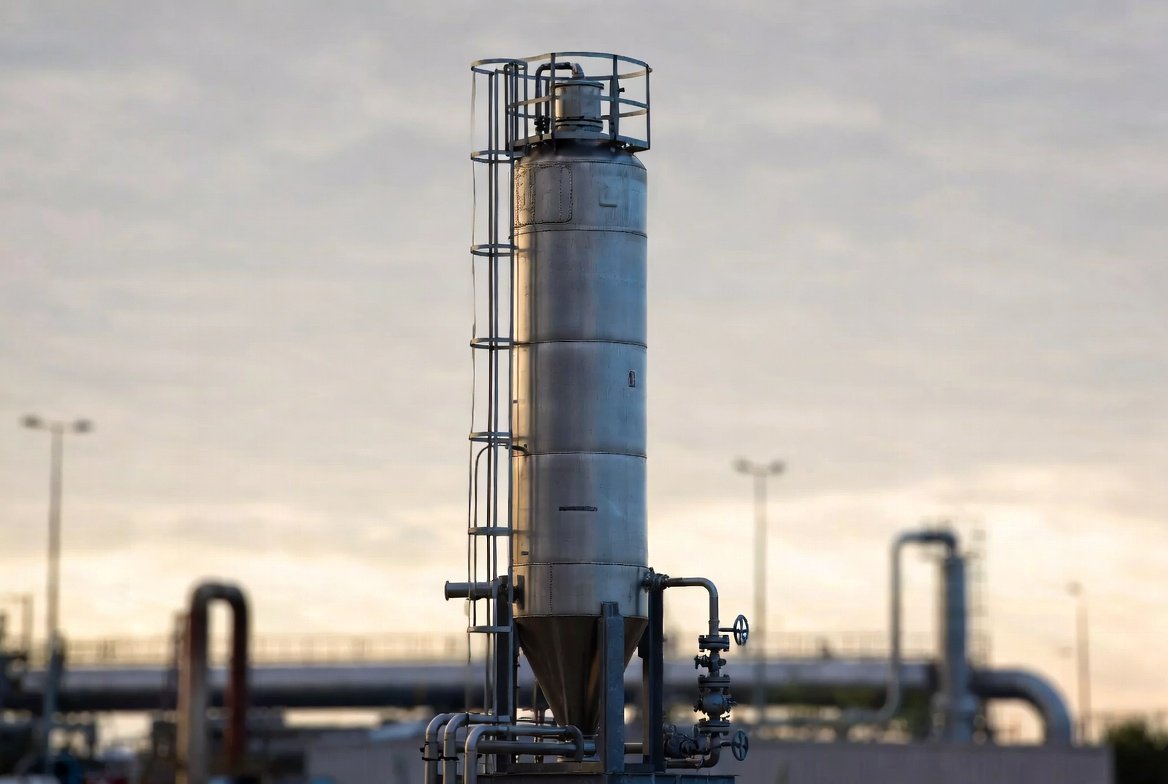
Granular iron-oxide and iron-hydroxide media remain the most widely deployed solution for H2S removal from biogas. In these fixed-bed systems, sour gas passes through vessels packed with reactive media. H2S reacts chemically with the iron compounds to form stable iron sulfides, effectively removing the contaminant from the gas stream. The media gradually darkens as it loads with sulfur, giving operators a visual cue of remaining capacity.
Advantages specific to biogas service include:
- Simple, passive operation with minimal operator intervention once online—ideal for remote agricultural or landfill sites.
- Excellent performance in moist gas streams; many formulations actually benefit from the humidity common in raw biogas.
- Ability to achieve very low outlet H2S levels suitable for downstream upgrading and pipeline injection.
- Relatively low operating cost for moderate H2S loads typical in many digester projects.
- Proven cold-weather performance when vessels are properly insulated or housed, important for Alberta winters.
Limitations include the need for periodic media replacement (minimized with lead-lag vessel designs) and the logistics of handling spent media. Some iron-based products allow partial regeneration through controlled air injection, extending bed life and improving economics on larger systems. Proper vessel design—accounting for gas velocity, contact time, and even flow distribution—is essential to prevent channeling and maximize media utilization in variable-flow biogas applications.
Other Technology Options
Liquid chemical scavengers (triazine or non-triazine formulations) can be used in biogas when H2S loads are low and flows are consistent, offering low capital cost and easy dosing adjustment. However, they are less common in biogas than in oil and gas because of lower operating pressures, potential issues with spent liquid handling in remote locations, and the preference for dry or solid by-product solutions in many RNG projects.
Biological desulfurization systems (biofilters or biotrickling filters) are gaining traction for larger or higher-H2S biogas streams. These use specialized bacteria to oxidize H2S into elemental sulfur or sulfate under controlled conditions. They can offer lower operating costs at scale and produce a more benign byproduct, but require more sophisticated process control, nutrient management, and temperature regulation—factors that add complexity for smaller agricultural projects.
Hybrid approaches are increasingly popular: an iron-oxide bed handles the majority of the load while a polishing step (smaller adsorbent bed or targeted liquid injection) ensures the ultra-low H2S levels demanded by sensitive upgrading membranes or catalysts.
Design and Operational Best Practices for Alberta Conditions
Alberta’s climate and project diversity create unique considerations. Cold temperatures can reduce reaction rates in some chemistries and increase the risk of condensation or freezing in lines and vessels. Designs must incorporate adequate insulation, heat tracing where necessary, and drainage for condensate. Variable feedstock quality and seasonal production swings common in agricultural digesters mean systems should be sized for average-to-peak loads with flexibility to handle turndown without losing efficiency.
Integration with the rest of the upgrading train is critical. H2S removal should protect—not interfere with—downstream CO2 removal technologies. Online or frequent H2S monitoring at strategic points (inlet to the removal system and outlet to upgrading) allows operators to optimize media or chemical consumption and catch performance issues early. Lead-lag or modular vessel arrangements minimize downtime during media change-outs, preserving RNG production and revenue.
Spent media disposal or regeneration planning should be part of the initial project economics. Many iron-based products generate a stable, non-hazardous or low-hazard solid waste that is simpler to manage than spent liquid scavenger solutions, an important factor for smaller or remote RNG facilities.
The Economic and Environmental Case for Effective H2S Removal
Proper H2S management is not just a compliance or safety cost—it is an enabler of project profitability. Reliable removal protects high-value upgrading equipment (membranes and adsorbents can cost hundreds of thousands of dollars), reduces unplanned maintenance and engine overhauls, and ensures consistent RNG quality that satisfies offtakers and pipeline operators. In a market where RNG commands premiums through long-term contracts and environmental attributes, even modest improvements in uptime and product quality translate directly to revenue.
From an environmental perspective, capturing and upgrading biogas already delivers major methane destruction benefits. Effective H2S removal supports the full value chain by enabling pipeline injection and displacing fossil natural gas, further amplifying greenhouse gas reductions. Many RNG projects in Alberta and Canada also qualify for additional incentives tied to clean fuel standards and carbon markets.
Choosing the Right Partner for Biogas H2S Solutions
Every biogas project has unique characteristics—feedstock mix, scale, location, and end-use goals. Off-the-shelf solutions sometimes fall short when H2S concentrations vary widely or when space, power, or operator resources are constrained. Custom-engineered systems that match vessel sizing, media selection, and integration strategy to the specific gas profile often deliver better long-term performance and lower total cost of ownership.
Operators and developers entering or expanding in the RNG space benefit from working with technology providers who understand both traditional oil and gas H2S challenges and the distinct requirements of biogas upgrading. Experience with Alberta conditions, cold-weather design, and the full RNG value chain helps avoid common pitfalls and accelerates project timelines.
Conclusion
As Alberta continues to develop its renewable natural gas potential, H2S removal stands out as one of the most consequential technical decisions a project team will make. The right technology—properly sized, integrated, and operated—protects equipment, ensures product quality, supports safety and regulatory compliance, and unlocks the full economic and environmental value of biogas resources. Whether through proven iron-based adsorbent systems, hybrid configurations, or emerging biological approaches, effective H2S management is the foundation upon which successful RNG projects are built.
For agricultural producers, waste management companies, municipalities, and energy developers exploring biogas upgrading in Western Canada, investing in robust H2S removal is not an optional extra—it is the key that opens the door to reliable, profitable, and sustainable renewable natural gas production.